Your AI Initiative Just Created Dozens of New Privileged Identities. Are Any Being Monitored?
June 9, 2026
Your AI initiative just created dozens of new privileged identities with access to your systems, data, and workflows.
Most organizations have governance processes for employees. Most have governance processes for vendors. Almost none have governance processes for autonomous software identities — and those identities are multiplying faster than anyone mapped.
That’s not a technology problem. That’s an identity and access problem that happens to involve a technology category your security platform wasn’t built for.
The Agents Your Security Team Didn’t Approve Are Already Running
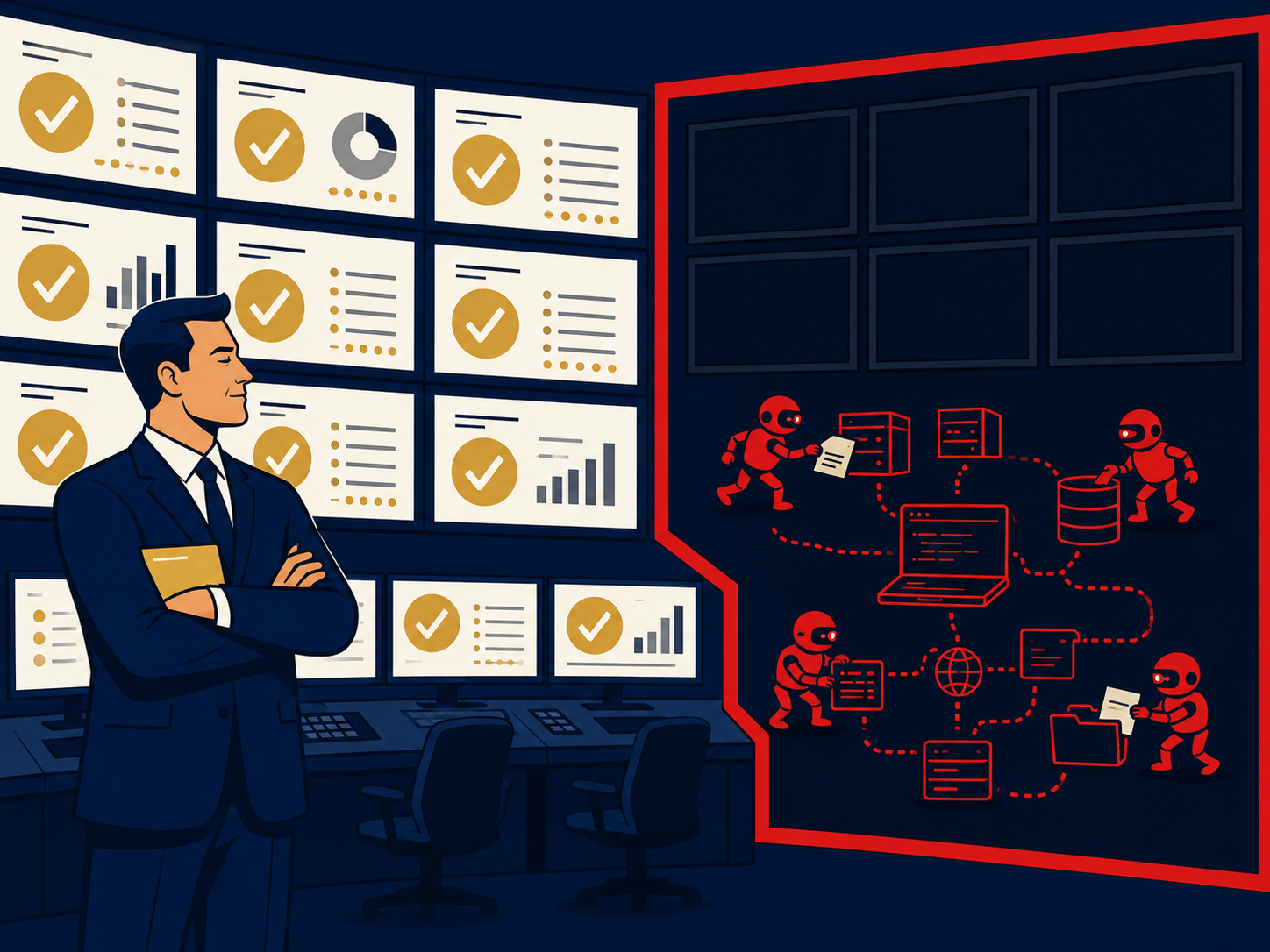
The AI agents your security team knows about are not all the agents operating in your environment.
A marketing team builds a workflow automation using a platform IT already licensed. A sales operations team connects an AI assistant to the CRM using their own credentials. A finance analyst automates reporting with an agent that has read access to systems nobody mapped. None of these go through a formal security review. All of them are operating in your environment right now.
Shadow SaaS was a data storage problem. Shadow AI agents are an action problem.
A shadow SaaS tool stores data somewhere you didn’t plan for. A shadow AI agent acts on that data — executing commands, sending communications, modifying records — at scale, without a human in the loop.
You can’t monitor what you don’t know exists.
AI Agents Are Now Your Fastest-Growing Group of Privileged Identities
Most organizations already have more non-human identities than human ones — service accounts, automation accounts, API credentials, machine identities. Many haven’t been audited in months. Some haven’t been reviewed since deployment.
AI agents are accelerating that problem at a pace most identity governance programs weren’t designed to handle.
Unlike a service account that runs a scheduled task, an AI agent navigates systems, pulls data, executes commands, and makes decisions in response to inputs — at machine speed. A human exfiltrating data can take hundreds of files before anyone notices. A compromised AI agent with the same access can take everything — your entire customer database, your intellectual property, your financial records — in minutes.
This isn’t a new category of risk. It’s an accelerant on a risk you already have. The difference is velocity.
The Question Your Security Vendor Hopes You Never Ask
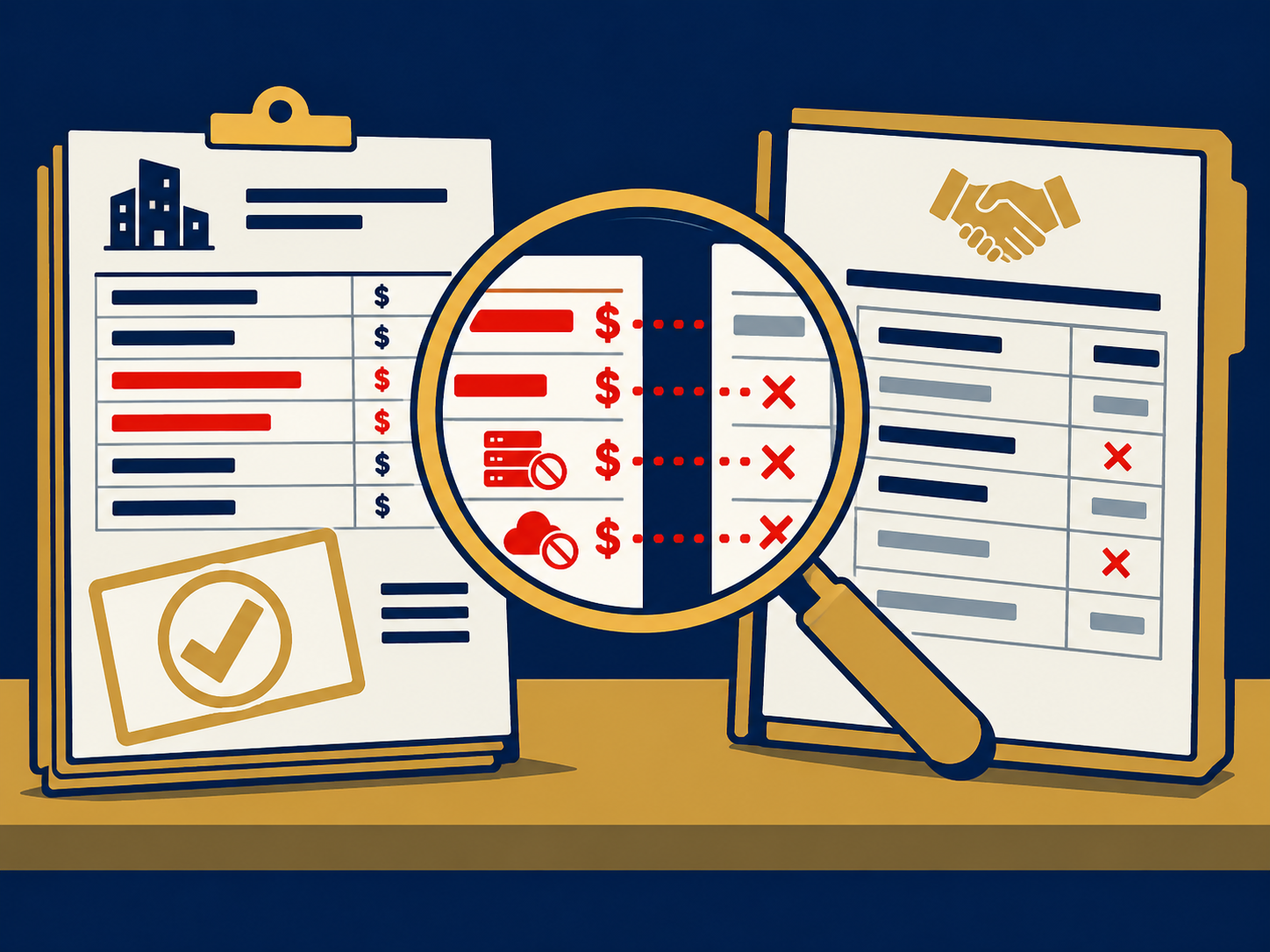
Most vendors will say yes when you ask about AI agent coverage. They’ll show you dashboards, activity logs, integration capabilities.
What they won’t show you is what the platform can’t see — because the demo environment is clean, the data is controlled, and the question they’re hoping you don’t ask is this:
If one of your AI agents started doing something it has never done before, would your security platform know?
When vendors say they cover AI agents, what they typically mean is that agent activity gets logged alongside everything else.
Logging is not monitoring. A log entry tells you what happened after the fact. A behavioral baseline tells you when something is wrong before the damage is done.
What Behavioral Baselining Actually Means in Practice
To detect anomalous agent behavior, you need to know what normal looks like first.
Every agent needs a unique identity — not “AI agents” as a category, but finance bot specifically, marketing automation agent specifically, code review agent specifically. You establish its baseline: what systems it touches, what it accesses, when it operates, what commands it runs.
The moment it deviates — accesses a system it’s never touched, pulls an unusual data volume, makes a request at an unusual time — that deviation is the tripwire.
Without the baseline, there is no tripwire. Without the tripwire, you find out after the breach.
Most organizations deploying AI agents right now have no per-agent behavioral baseline in place. The agents are running. The platform is logging. Nobody knows whether that activity is normal or not.
Can You Answer These Five Questions Today?
Before evaluating vendors or platforms, answer these about your own environment. They don’t require a tool. They require access to whoever owns your identity and access management.
- How many AI agents are currently operating in your environment — including those deployed outside IT governance?
- Which systems and data sources can each agent access?
- Which credentials do they use — and when were those credentials last rotated or reviewed?
- Which agent has the broadest permissions in your environment right now?
- Which agent would trigger an alert if its behavior changed tomorrow?
If you can answer four of five with confidence, your visibility is ahead of most. If you can’t answer two or more, you don’t have an AI agent problem. You have an identity governance problem that AI agents are making harder to ignore.
You can’t detect deviation from normal if you don’t know what normal looks like.
The One Question Worth Asking Before You Sign
Don’t ask your vendor if they support AI agent monitoring. Every vendor will say yes.
Ask this instead:
“Can you show me a per-agent behavioral baseline, surface shadow agents I haven’t declared, and alert me when an agent accesses something outside its established baseline for the first time?”
If the answer routes you back to an activity dashboard and log aggregation — that’s your answer.
The Contract You Sign Next Sets This Gap in Place for Three Years
The security platform evaluation you’re about to run — or the renewal you’re about to sign — determines whether this gap lives in your environment for the next 24 to 36 months. Most buyers sign without knowing the question to ask. The vendor’s demo never surfaces it.
Your board has mandated AI adoption. Your teams are already deploying agents. The identities are already running.
If you’re accountable for governing what just got deployed — this is where the conversation starts →
If you’re approaching a renewal and not certain your current platform covers agent behavior — that conversation starts here →
No pitch. No prep. Just answers.