Why Contact Centers Collapse During Peak Season
February 12, 2026

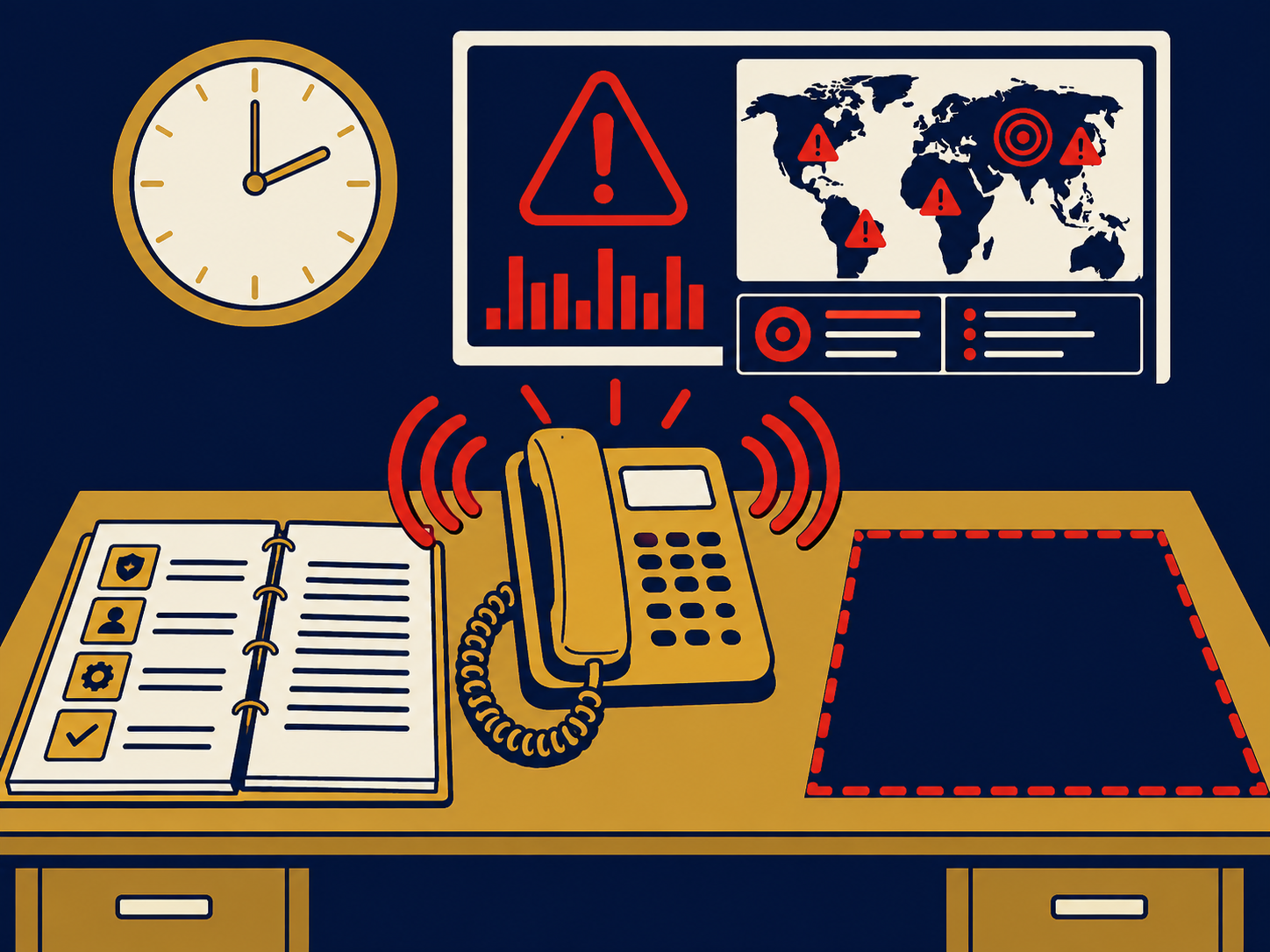
When call center peak season hits, your contact center becomes a stress test for your entire operating model. Volume spikes, expectations rise, and every weakness in your process, technology, and staffing strategy becomes visible in a matter of hours, not quarters.
You are not simply dealing with “more calls.” You are dealing with compressed timelines, higher emotional intensity, and stakeholders who assume that service quality will hold, even as demand multiplies. When that assumption does not hold, the result is familiar: long queues, burned out agents, inconsistent answers, and leaders forced into defensive explanations about why the customer experience broke at the worst possible time.
This is how contact centers collapse during peak season. Not because you did nothing, but because the way you prepared was misaligned with how peak actually behaves.
What Call Center Peak Season Really Looks Like
Peak season is not a uniform curve. It is a series of spikes inside a spike.
For many organizations, customer service queries increase by 60 to 80 percent during the holiday period, especially around Black Friday and Cyber Monday, with similar patterns around open enrollment, product launches, or billing deadlines. In some environments, call centers see customer influxes that triple normal call volume overnight, a 200 percent increase that stretches even experienced teams.
This is the environment in which 90 percent of customers now expect immediate responses within 5 minutes, and organizations that hit that window are 21 times more likely to convert an inquiry into a resolved issue or a sale, as reported in December 2024. The gap between what your customers expect and what your current operation can sustain is where breakdown starts.
A LinkedIn poll of the ICMI community in 2024 found that 47 percent of contact centers experience peak season from October to December and 33 percent from January to March. If you support retail, your busiest times concentrate around the holidays. If you support ecommerce, weekends may feel like mini peak seasons year round. For B2B, end of quarter or fiscal year deadlines can create abrupt surges.
What matters is not the exact calendar. What matters is whether your operation is designed around the reality that surges are predictable, even if each individual spike feels chaotic in the moment.
Why Contact Centers Break Under Pressure
Collapse during call center peak season is rarely about a single failure. It is the result of several small gaps compounding at the same time.
You Treat Peak As An Exception, Not A Design Constraint
Many strategies still assume that “normal” volume is the baseline and that peak requires temporary workarounds. That mindset leads to short term fixes like emergency overtime, last minute temp hires, or rushed scripting updates.
The problem is that peak is no longer a rare anomaly. Customer behavior, promotional calendars, and digital buying patterns have normalized frequent surges in traffic and support demand. When your core staffing model, routing logic, and escalation paths are designed only for steady state, they will bend under pressure and eventually break.
Forecasting Is High Level, Not Operational
You may know that “holiday season is busy” or that “product launches drive calls,” but that is not enough to protect your operation.
Effective forecasting uses historical data at a granular level to model hourly and daily patterns, then layers in planned changes such as new campaigns, pricing adjustments, or regulatory deadlines. Modern teams use this to create demand scenarios, not just a single forecast, so they can test what happens under best case, expected case, and worst case conditions.
Without that level of forecasting, your hiring timelines, training schedules, and budget planning are guesswork. That is when you find yourself scrambling to add headcount after queues have already blown up.
Hiring And Training Lag Behind The Calendar
If your hiring and training cycles do not align with when peak actually arrives, you are essentially sending new agents into one of the most demanding environments before they are ready.
Industry experts emphasize that hiring and training seasonal agents well in advance of peak, with comprehensive programs that include system walkthroughs, role playing, and ongoing coaching, is what separates stable operations from brittle ones. Running a “test run” with agents before peak hits builds muscle memory before the real pressure starts.
When training is rushed or superficial, you see the impact quickly:
- Longer handle times because agents are still learning systems
- Higher transfer rates because agents lack confidence
- Inconsistent answers that erode trust with customers and partners
Schedules Follow HR Rules, Not Customer Patterns
Many centers still build standard 9 to 5 heavy schedules, even when demand patterns say something very different.
Research shows that call centers experience peak hour traffic around specific windows, often linked to events like major campaigns, holiday rushes, or billing reminders. Retail related centers are busiest during holidays, while ecommerce call centers tend to see peak call volumes on weekends. For outbound teams, the most productive times for cold calls are between 8 a.m. and 10 a.m. and 4 p.m. and 6 p.m., especially mid week, while warm calls convert better between 11 a.m. and 12 p.m. and 4 p.m. and 5 p.m. on Tuesdays and Wednesdays.
If your staffing grid does not reflect those patterns, you can be fully staffed when customers are quiet, then under resourced exactly when they are reaching out most.
Culture Cracks Under Stress
Technical and operational gaps are only part of the story. During peak, your internal culture gets tested alongside your infrastructure.
Teams that do not talk honestly about the intensity of seasonal spikes often run into surprise and resistance from agents when the volume hits. A decade ago, ICMI contributor Patty Isnor highlighted that being candid with agents about the reality of peak season actually reduced absenteeism and improved service quality.
In contrast, cultures that default to blame and reactivity during surges tend to see:
- Increased attrition and burnout
- Higher absenteeism exactly when coverage is critical
- More internal conflict between frontline teams, supervisors, and leadership
When your cultural norms emphasize quick, forward looking problem solving instead of blame, agents are more likely to lean into the challenge, not avoid it.
Structural Weaknesses That Show Up At Peak
If you look at where breakdowns happen during call center peak season, a few structural issues come up repeatedly.
Overreliance On Temporary Hires
Temporary staff seem like a straightforward way to plug coverage gaps. In practice, they often introduce more variability than they solve.
Temporary hires are usually:
- Onboarded late, often after volume has already spiked
- Less engaged in the long term success of the operation
- More vulnerable to performance issues, compliance missteps, or quality drift
Industry data points to call center outsourcing as one way organizations are reducing peak season operational costs. Instead of relying heavily on temps, they lean on outsourced teams with established processes, experienced agents, and mature quality frameworks that can scale up or down more predictably. That allows you to absorb volume spikes without rebuilding your workforce every quarter.
If you are considering this route, be deliberate about how it fits into your total cost picture and how it compares to your in house contact center hiring costs.
Inflexible Technology And Routing
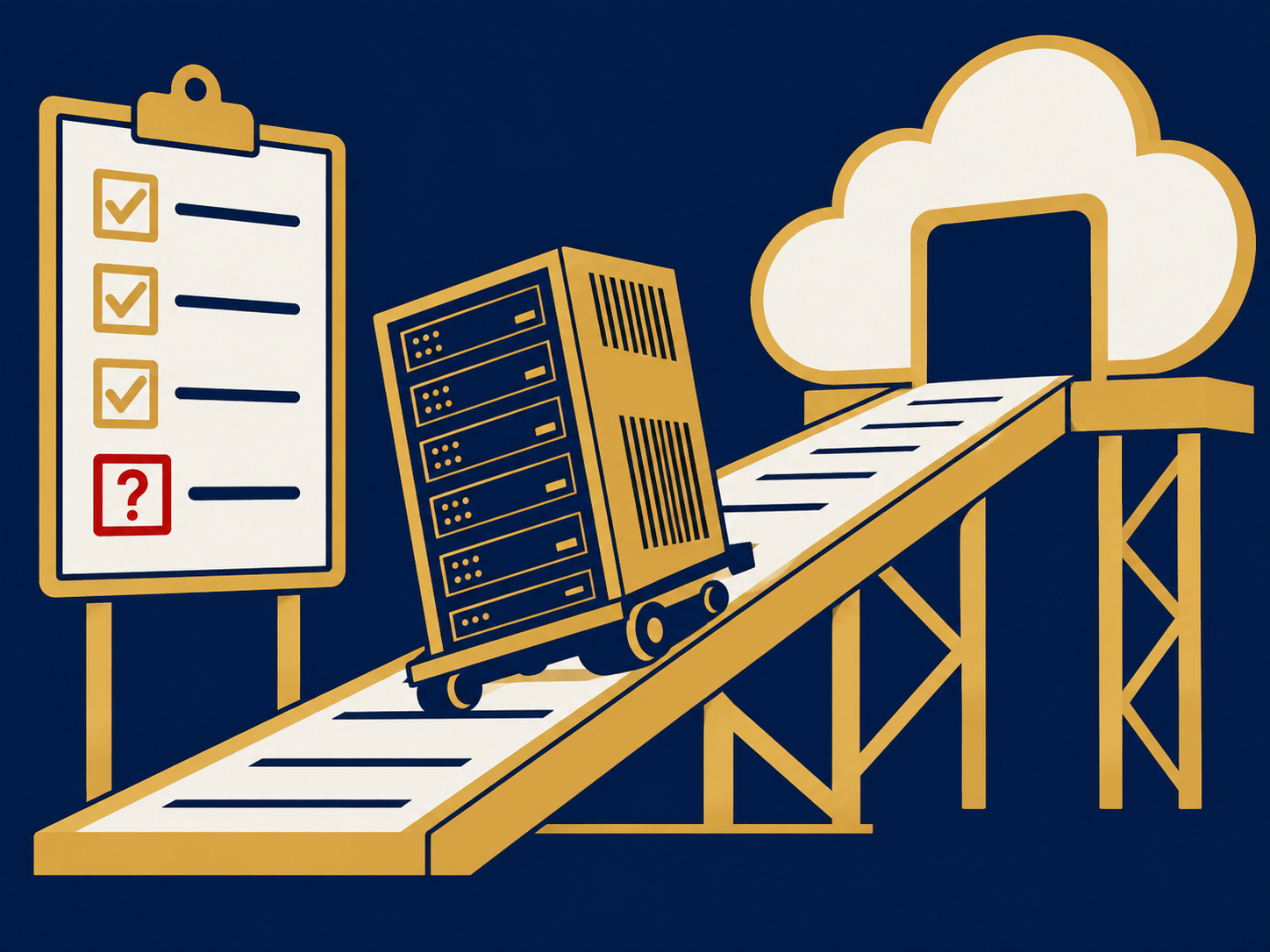
Legacy on premises infrastructure can struggle with sudden volume swings. Provisioning additional capacity often requires long lead times, capital spend, or operational workarounds that do not translate well to real time surges.
Cloud based contact centers and modern Contact Center as a Service platforms handle peak volume differently. They use cloud scalability to add or remove capacity with demand, so you avoid permanent overprovisioning while staying responsive to short term spikes.
If your routing logic is static or hard to adjust, you will see:
- Some queues get overwhelmed while others sit idle
- Skilled agents stuck on low value tasks
- Overflow calls that drop instead of getting routed to alternate channels or partners
That architecture choice becomes especially visible under peak load.
Limited Use Of Automation And Self Service
When every customer interaction has to go through a live agent, your capacity is capped by the number of staffed, trained, and available people you have in seats.
During seasonal spikes, high performing operations lean on automation and self service tools to absorb routine demand:
- FAQs and online knowledge bases for basic “how do I” questions
- Chatbots and AI assisted virtual agents to handle simple workflows
- Interactive voice response (IVR) menus that route or solve common issues
One retail organization saw a 30 percent decrease in call volume during the holiday season after improving its online support portal. That is not about replacing agents. It is about preserving live agent capacity for complex, high value, or emotionally charged interactions where a human matters most.
If you are exploring these capabilities, it is worth understanding both contact center automation benefits and the contact center automation implementation risks before you scale them.
Why Traditional Peak Season Tactics Fall Short
Most organizations are not ignoring call center peak season. They are simply relying on tactics that do not scale with the complexity of modern customer expectations.
Overtime And Heroics As A Strategy
Overtime is a useful lever. It is not a sustainable strategy.
When peak season depends heavily on voluntary overtime and frontline heroics, you are:
- Concentrating work on your most capable people
- Increasing fatigue right when judgment and empathy are most needed
- Shortening the time horizon for burnout and attrition
This can work for a single unexpected spike. It becomes untenable when “temporary” surges are now part of every quarter.
Last Minute Script And Process Changes
Making process adjustments right before or during peak is often unavoidable. The issue is when those are untested, unclear, or unsupported by training.
You can see the impact in metrics such as:
- Elevated error rates
- Conflicting information given to customers
- Slower handle times as agents try to interpret guidance on the fly
A better pattern is to treat peak preparation as a defined project with freeze points for changes. That creates space for a structured test run before volume spikes.
One Size Fits All Staffing And Skills
Not all interactions are created equal. Yet many operations still staff and train as if any agent can handle any contact equally well.
High performing centers take a different approach:
- They cross train a flexible “swing team” of high performing agents who can be redirected quickly between queues.
- They build targeted skill queues for complex issues so peak does not result in constant transfers.
- They align scheduling and staffing to known hot spots, such as evening, weekend, or lunch hour peaks.
Cross training and flexible staffing are what allow you to maintain service levels even when call patterns deviate from forecast.
Modern Strategies To Prevent Peak Season Collapse
Avoiding collapse during call center peak season is not about doing everything. It is about prioritizing a handful of practices that compound.
Build Forecasting Into Your Operating Rhythm
Start with the data you already have. Historical call records, chat logs, email volumes, and ticket patterns all contain usable signals.
Your goal is to move from “we know December is busy” to:
- We know which weeks within peak are most intense.
- We know which days and hours tend to spike.
- We know which contact types surge first and which follow.
From there, create demand scenarios that incorporate marketing calendars, known events, and external drivers such as regulatory deadlines or industry specific cycles. Modern workforce management tools can help automate parts of this, but the critical step is to treat forecasting as a recurring discipline, not a once a year exercise.
Align Hiring, Training, And Test Runs To The Forecast
Once you understand when peak is likely to hit, you can work backwards.
For each forecast window, decide:
- When you need agents to be fully productive.
- How long it takes to hire, vet, and onboard them.
- How much training time is required for competence, not just completion.
Training teams should use realistic scenarios, active role play, and system walkthroughs that mirror peak conditions. Running a “dress rehearsal” with simulated volume helps identify process gaps, knowledge gaps, or system constraints before they surface with real customers.
Remote work models give you more flexibility in who you can hire and when. Industry experts highlight that remote agents often outperform in office peers on satisfaction and resolution, especially during high pressure periods, when they are trained well and set up for success.
Treat Flexibility As A Design Principle
Your staffing model, scheduling, and routing should assume that volatility is normal.
That includes:
- Flexible schedules that match actual customer patterns, including evenings and weekends where relevant.
- Shift bidding or shift selection processes that give agents some control over their hours, which can increase satisfaction and reduce churn.
- Hybrid staffing models that include a mix of full time, part time, and gig based agents to expand capacity without long term overhead.
Using remote agents during peak season lets you tap into a broader workforce without needing additional physical space. Sundays, for example, are typically slower for many centers. A flexible model lets you scale down coverage on those days and reinvest that capacity into higher demand windows without compromising service.
Use Automation And Deflection Intentionally
Automation should be designed to reduce friction, not just deflect work.
Focus first on:
- High volume, low complexity interactions.
- Repetitive information requests such as order status, basic account questions, or simple policy clarifications.
- Channels where customers already expect some level of automation, such as web chat or IVR.
AI powered self service tools and call deflection strategies are particularly valuable during peak because they preserve live agents for cases where nuance and judgment are essential. They also generate data you can use to refine processes and identify where your documentation or product experience is driving unnecessary contacts.
If you are evaluating platforms, it can be useful to prepare a clear set of contact center demo questions so your vendors show you how their tools handle your specific peak scenarios, not just idealized demos.
Invest In A Stable Cultural Foundation
Technical preparation will not hold if your cultural foundation is fragile.
During peak, you need:
- Honest communication about what to expect, including realistic volume ranges and customer sentiment.
- A clear narrative about why the work matters and how success will be recognized.
- A focus on problem solving and learning instead of blame when metrics slip.
Practical levers include employee referral programs for seasonal hiring, which often bring in candidates who are more aligned with your culture and who can be supported by existing team members. Leaders can also set the tone by celebrating quick wins, sharing progress transparently, and making it easy for agents to escalate issues without fear.
The result is an environment where agents are more likely to stay engaged, even when queues are long and emotions run high.
How CCaaS And Outsourcing Change The Equation
You do not have to solve call center peak season challenges with internal resources alone. Modern operating models, including Contact Center as a Service and selective outsourcing, change the risk profile.
Cloud based platforms:
- Scale up and down with demand, without large upfront capital investments.
- Provide integrated access to workforce management, analytics, and automation tools.
- Support distributed workforces, including remote and hybrid agents, more easily.
Outsourcing partners:
- Bring established processes for forecasting, scheduling, and quality management during peak.
- Offer 24/7 coverage across time zones, which is particularly useful when holiday or promotional periods create round the clock demand.
- Reduce your exposure to temporary hiring cycles by relying on teams that are already trained and operational.
Many organizations now use a blended model. They keep strategic or high value interactions in house and lean on external partners to handle overflow, after hours coverage, or routine contact types. The goal is not to offload responsibility, but to increase your ability to stay stable under stress.
If you are exploring these models, it is worth looking at how they align with your broader contact center as a service strategy. The decision is less about technology alone and more about how you want your operating posture to behave when pressure rises.
Conclusion
Contact center peak season does not create weaknesses. It exposes them.
If your forecasting is shallow, your hiring and training are misaligned with demand, your technology is rigid, or your culture relies on heroics, those choices will surface quickly when volume surges. Collapse is rarely a surprise internally. It is the predictable outcome of an operating model that was never designed for sustained volatility.
The organizations that navigate peak season well are not necessarily the ones with the largest budgets. They are the ones that treat peak as a core design constraint, use data to anticipate where pressure will hit, combine automation with human judgment thoughtfully, and invest in a culture that can absorb stress without fracturing.
If you design for that reality, peak season shifts from an annual crisis to a recurring test you are prepared to pass.
Need Help Stabilizing Peak Season Performance?
We work with organizations that are facing the same questions you are facing now. How do you build a contact center model that holds up when call volume doubles overnight. How do you decide what to keep in house, what to automate, and where a CCaaS or outsourcing partner actually improves your position instead of adding complexity.
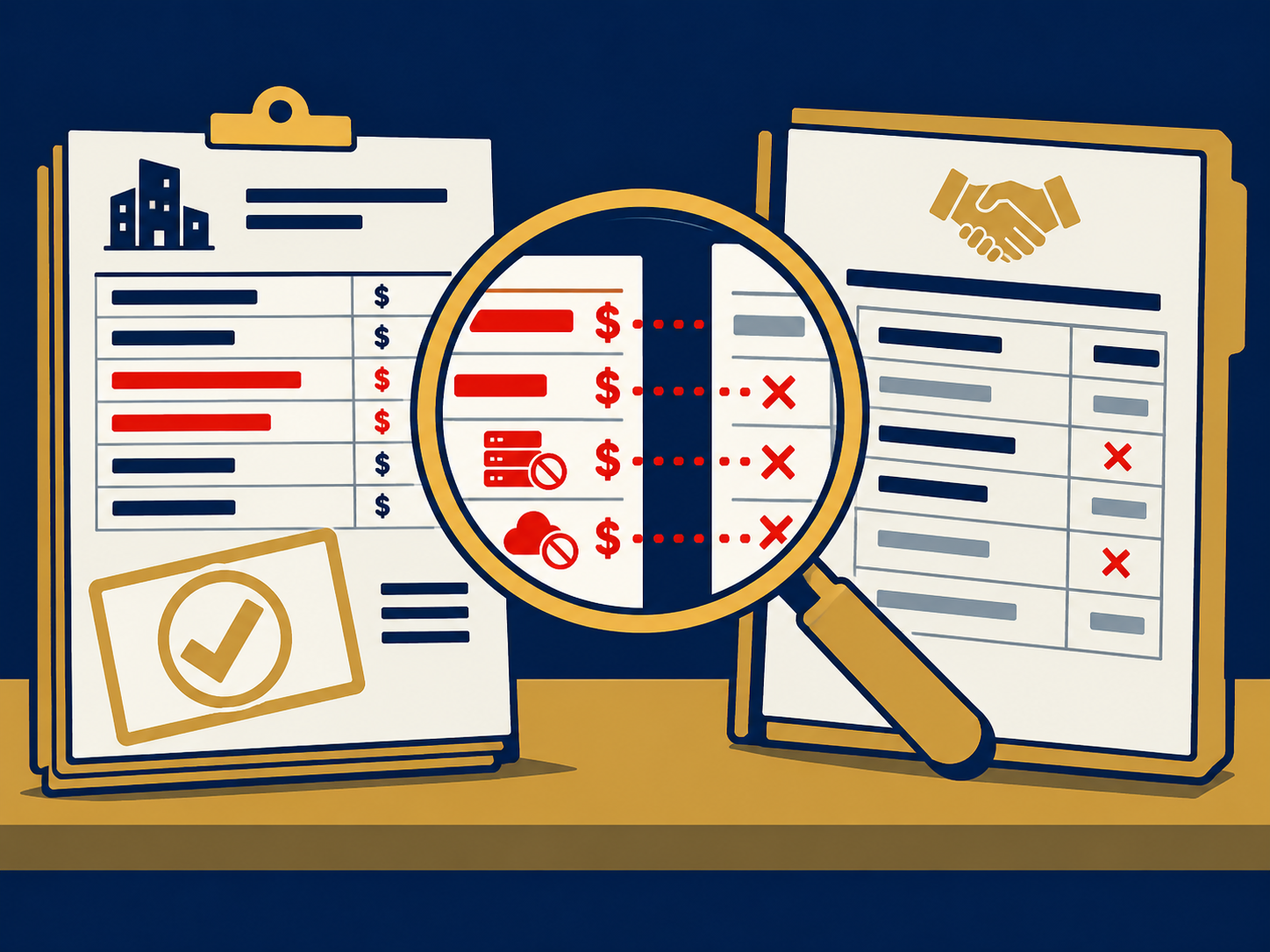
Our role is to help you frame the decision, evaluate options, and compare trade offs in a way that leadership can stand behind. We pressure test your forecasts, examine your current tools and contracts, and connect you with providers whose strengths match the way your business experiences peak.
If you are rethinking how your contact center handles peak season, talk to us about the outcomes you need, the constraints you cannot ignore, and the level of resilience you want the next time demand surges.