Slow fiber provisioning often leads to clinic internet downtime, posing serious risks to patient safety, staff productivity, and compliance. In modern healthcare settings, you depend on reliable connectivity for electronic health records, telemedicine, imaging systems, and secure transmissions of protected health information. Yet, fiber installations can span several weeks or months due to permitting, trenching, and backhaul requirements. These delays expose your clinic to network outages, workflow disruptions, and unexpected costs. In this article, we explain common causes of slow fiber installs and quantify the financial and operational impacts of clinic internet downtime. You will learn how fixed wireless alternatives can accelerate deployment, compare performance and cost trade-offs between fixed wireless vs fiber, and review strategies to build resilience with failover and staff preparedness. Whether you are planning a new clinic buildout, optimizing existing infrastructure, or auditing your vendor agreements, you need clarity on timelines, budgets, and risk mitigation. Let’s dive into the details.
Understand Fiber Installs
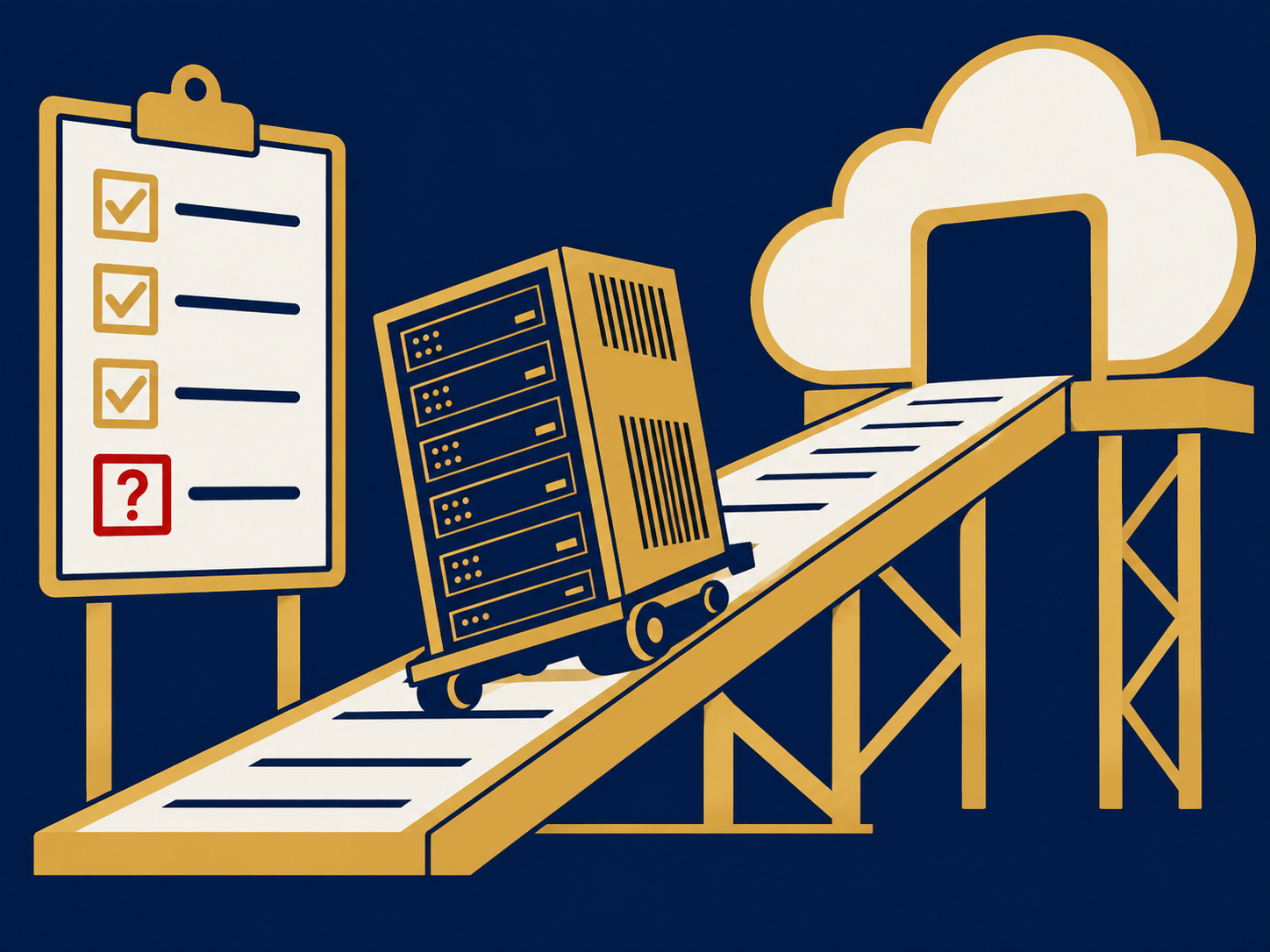
Getting fiber to your clinic involves multiple stages that can introduce delays if any step falls behind schedule. Typical installation timelines include:
- Pre-Site Survey: A technician evaluates your location for conduit access, existing cabling, and distance to the nearest telecom point of presence.
- Permitting And Approvals: Local regulations may require city, county, or utility sign-offs before trenching or pole attachments begin.
- Fiber Trenching Or Aerial Work: Contractors must dig trenches or secure overhead lines, which can be held up by weather, underground utility conflicts, or right-of-way disputes.
- Splicing And Testing: Once the fiber path is in place, technicians splice fibers, install termination hardware, and run end-to-end performance tests.
- Inside Wiring And Cutover: The final step connects your on-premises equipment to the fiber handoff, configures routers, and validates throughput and latency.
Common causes of delays include permitting backlogs, underground utility mapping errors, contractor scheduling conflicts, and environmental restrictions. In some regions you may wait 60 to 90 days for approvals alone. If any party—from the municipality to the fiber carrier—misses a milestone, your project can slip into reactive mode, leaving you without reliable connectivity for critical services.
Quantify Downtime Costs
Every minute of clinic internet downtime hits your operations and finances. Consider these impacts:
Direct Financial Losses
- Average Downtime Cost: Healthcare IT outages can cost up to $5,600 per minute, equating to roughly $300,000 per hour.
- Lost Revenue: Canceled or rescheduled appointments reduce billable services and defer collections.
- Penalty Exposure: Manual processes and unsecured networks increase HIPAA breach risks, with penalties ranging from $100 to $50,000 per violation.
Operational Impact
- Staff Overtime: Idle or interrupted workflows force nurses and administrative staff into overtime, driving up labor expenses.
- Workflow Breakdowns: Without access to electronic health records or lab systems, clinicians revert to paper charts, slowing patient throughput and raising error rates.
- Patient Dissatisfaction: Delays frustrate patients, damaging your clinic’s reputation and decreasing future referrals.
When network outages extend beyond an hour during a full schedule, you may lose dozens of appointment slots and see a ripple effect on staffing, billing, and compliance tasks. Quantifying these costs upfront helps you build a business case for faster deployment or resilient architectures that minimize downtime exposure.
Examine Clinic Internet Downtime
Clinic internet downtime disrupts care delivery in ways that go beyond financial losses. You face two primary challenges:
Clinical Workflow Disruption
- EHR Access: Interruptions prevent clinicians from viewing patient histories, medication lists, and diagnostic results in real time.
- Imaging And Labs: Delayed image transfers and lab report uploads can force clinicians to postpone procedures or make decisions with incomplete data.
- Telehealth Interruptions: Virtual visits grind to a halt, forcing reschedules and eroding patient trust in remote services.
Compliance And Security Risks
- Manual Documentation: Shifting to paper-based records increases transcription errors and complicates secure storage of protected health information.
- Unsecured Networks: Staff may resort to consumer hotspots or unsecured Wi-Fi, exposing PHI to unauthorized access.
- Audit Exposure: Unplanned downtime can trigger compliance red flags, leading to fines and remediation costs.
Understanding these risks underscores why you need connectivity solutions that prioritize availability and failover. Every hour offline invites clinical, legal, and financial consequences that can be harder to recover than the initial network investment.
Explore Fixed Wireless Option
Fixed wireless delivers broadband connectivity via point-to-point or point-to-multipoint radio links instead of buried fiber. For healthcare clinics this translates into faster installs and flexible deployments. Key advantages include:
- Rapid Provisioning: Fixed wireless can often be operational within days or weeks, bypassing trenching and right-of-way approvals.
- Scalability: You can adjust bandwidth quickly to match patient volume or service expansions without major civil works.
- Resilience: With no single physical path, you avoid fiber cuts from construction or environmental events.
Many clinics leverage fixed wireless internet healthcare solutions to meet tight timelines for new locations or urgent failover needs. Technical considerations include line-of-sight requirements, spectrum licensing, and weather-related fade. Vendors typically offer service-level agreements guaranteeing uptime, latency, and throughput levels that rival wired options, especially when combined with high-availability designs and automatic failover mechanisms.
Compare Fixed Wireless Vs Fiber
When weighing connectivity options, compare fixed wireless vs fiber healthcare on these dimensions:
Reliability And Performance
- Fiber: Offers consistent low latency and high throughput, ideal for large imaging files and bulk data transfers.
- Fixed Wireless: Can approach fiber speeds with modern millimeter-wave or licensed microwave; performance may vary with weather or obstructions.
Cost And Scalability
- Fiber: High upfront construction and permitting costs, with multi-month lead times for deployment.
- Fixed Wireless: Lower capital expenditure, rapid turn-up, and the ability to scale bandwidth in weeks rather than months.
Decision Criteria
- Timeline Priority: If you cannot wait 60- to 90-day fiber schedules, fixed wireless is often the faster path to full connectivity.
- Budget Flexibility: Evaluate total cost of ownership including civil work, trench restoration, and ongoing maintenance versus monthly wireless fees.
- Redundancy Needs: Many clinics deploy fixed wireless alongside fiber to achieve diverse paths and failover resilience.
For a deeper dive on feature comparisons and use cases, see our fixed wireless vs fiber healthcare guide.
Mitigate Network Risks
Building resilience around your clinic network involves more than selecting the right access technology. Focus on these strategies:
Wireless Failover Strategies
- 4G/5G Backup: Deploy automatic cellular failover to switch instantly when your primary link goes down.
- Multi-Carrier Redundancy: Use failover routers with SIM cards from different carriers to avoid simultaneous outages.
- Continuous Monitoring: Implement AI-driven alerts that detect packet loss or latency spikes and trigger failover protocols.
Staff Training And Preparedness
- Downtime Drills: Conduct regular simulations where teams switch to paper charts, manual check-in forms, and backup communication paths.
- PDSA Cycle: Apply Plan-Do-Study-Act reviews after each drill to refine your processes and update documentation.
- Clear Roles: Define who is responsible for network failover, data reconciliation, and patient communication during outages.
Combining technology safeguards with well-rehearsed procedures ensures you minimize the duration and impact of clinic internet downtime, protecting patient care and operational continuity.
Summarize Key Takeaways
Slow fiber installations expose your clinic to costly network outages that disrupt workflows, inflate operational expenses, and compromise compliance. By understanding installation bottlenecks—from permitting delays to contractor scheduling—you can anticipate risks and quantify the potential financial impact of clinic internet downtime. Fixed wireless provides a compelling alternative with rapid deployment, scalable bandwidth, and diverse path options. When you compare fixed wireless vs fiber, consider reliability, cost structure, and failover strategies. To further reduce risk, implement cellular backup and conduct regular downtime drills so your team is ready to switch modes seamlessly. These measures help you maintain high-availability connectivity that supports EHR, imaging, telehealth, and patient satisfaction.
Need Help With Clinic Internet Downtime?
Our team helps you evaluate connectivity solutions, from fixed wireless to robust failover architectures, and find the right provider for your clinic’s needs. We guide you through vendor assessments, cost models, and deployment timelines so you can avoid delays and protect patient care. Contact us today to discuss your requirements and secure reliable network uptime.