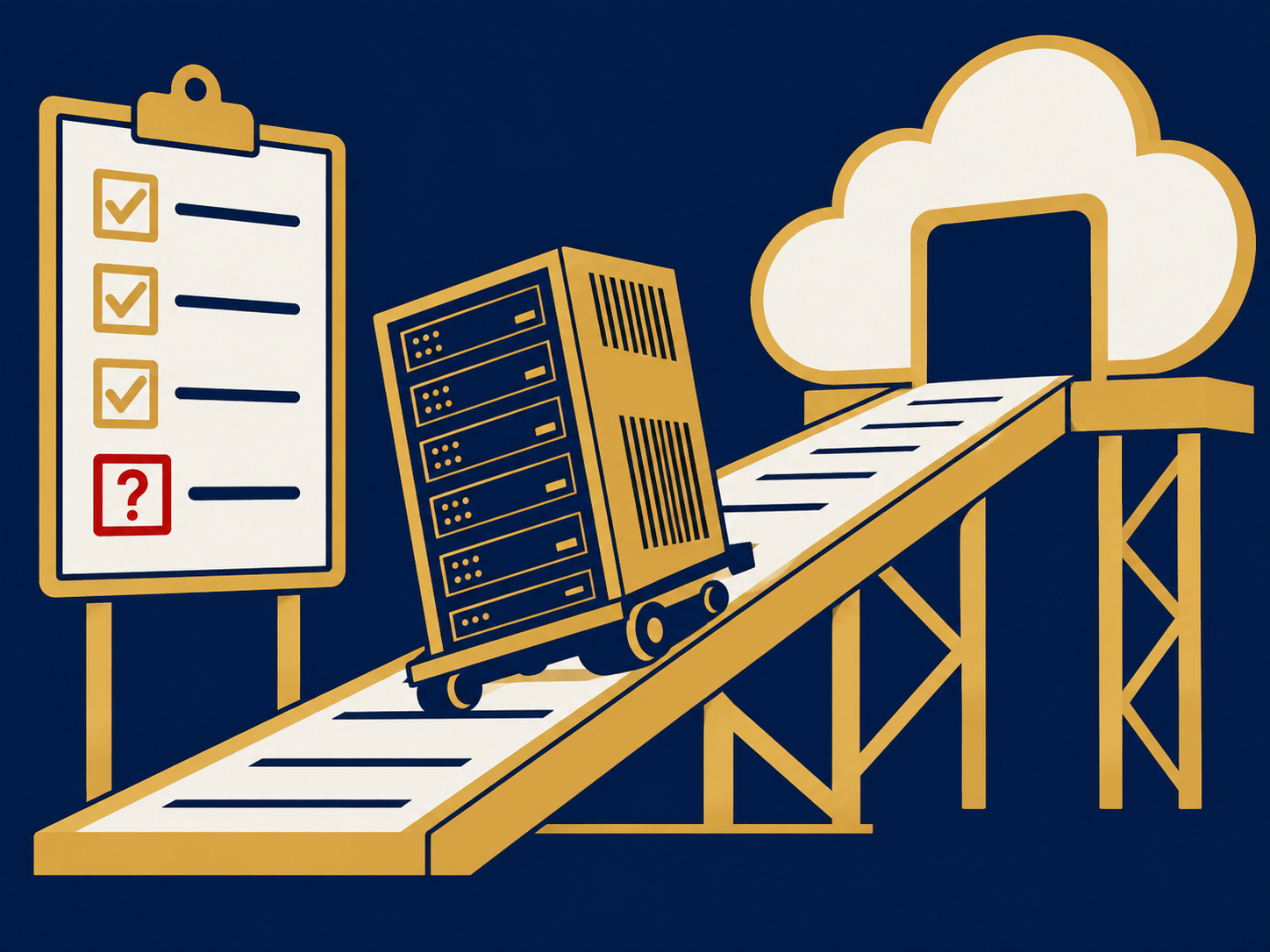
When you make dia uptime a formal business KPI, you align your technology investments with revenue goals and customer trust. dia uptime—the percentage of time your Dedicated Internet Access connection remains operational—affects everything from transaction volumes to service-level commitments. By treating uptime as a board-level metric, you create accountability for network performance, reinforce stakeholder confidence, and turn connectivity into a strategic asset.
In this article you’ll learn how to define and measure dia uptime, assess its impact on your organization, maximize performance, choose the right provider, and integrate uptime metrics into your broader reporting. You’ll see why treating uptime as a key indicator of business health helps you protect revenue, safeguard reputation, and make smarter IT decisions.
Understand DIA Uptime
Consistent, predictable connectivity is at the heart of Dedicated Internet Access. Unlike shared services, dedicated internet access reserves full bandwidth for you, eliminating congestion and ensuring symmetrical speeds for mission-critical applications. dia uptime translates that technical reliability into a business metric you can defend.
Define Network Uptime
Network uptime is the percentage of time a network is available over a given period. For example, 99.99% uptime allows for about 52.56 minutes of downtime per year, while 99.999% uptime translates to less than five minutes of annual disruption. Precise uptime figures let you gauge service health and compare providers on equal footing.
SLA Commitments And Metrics
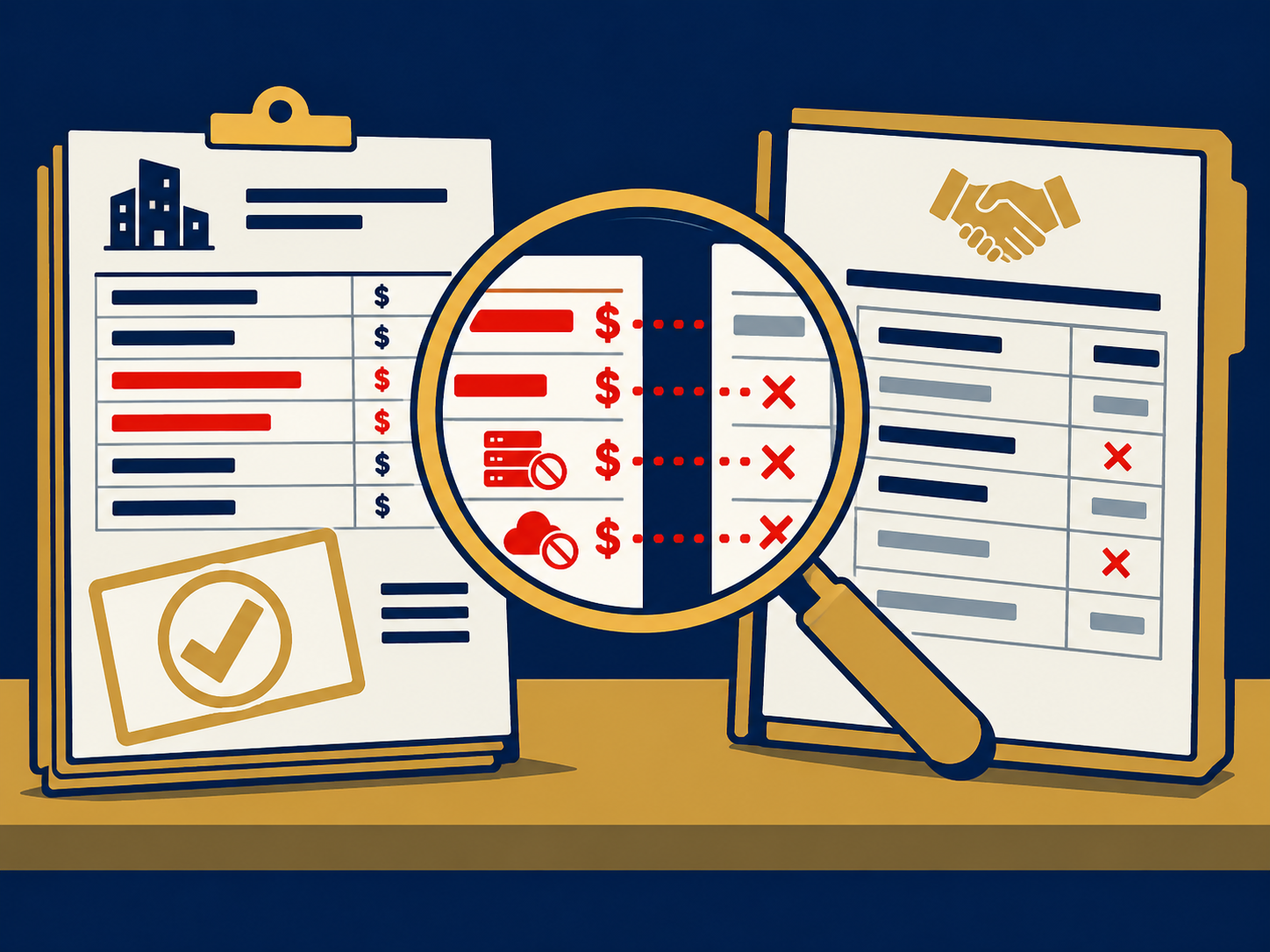
Service Level Agreements (SLAs) formalize uptime guarantees. Look for commitments on:
- Uptime percentage (for example, 99.99% or better)
- Mean Time To Repair (MTTR) targets
- Response times for trouble tickets
- Service credits or termination rights in case of breaches
Clear SLA terms ensure you can hold your provider accountable when outages occur.
Compare Circuit Reliability
Not all circuits deliver the same uptime. If you need to distinguish performance levels, review the differences between Type I and Type II service architectures in our type 1 vs type 2 internet guide. In brief:
- Type I circuits involve a single provider for last mile and backbone, yielding lower latency, faster installation, and quicker repairs
- Type II circuits cross multiple networks, which can introduce hand-off delays, higher latency, and more complex support paths
- Shorter mean time to repair on Type I links often translates directly to higher annual uptime
Understanding circuit types lets you match reliability requirements to your business needs.
Assess Business Impact
Turning dia uptime into a KPI shines a light on how network performance affects your bottom line and brand.
Protect Revenue Streams
Every minute of downtime risks lost sales, missed transactions, and productivity drops. For an e-commerce platform, even a five-minute outage during peak shopping can cost thousands of dollars. By tracking dia uptime, you can calculate potential revenue at risk and justify investments in higher-guarantee services.
Manage Your Reputation
Customers expect seamless service. Repeated connectivity issues undermine trust and drive users to competitors. When you report uptime performance alongside customer satisfaction metrics, you demonstrate commitment to reliability and transparency, reinforcing your brand promise.
Address Compliance Risks
In regulated sectors like finance and healthcare, continuous connectivity is often a compliance requirement. Minimum uptime guarantees help you meet data availability mandates and avoid fines. Tracking dia uptime in audit reports shows regulators that you maintain robust infrastructure controls.
Maximize DIA Performance
Beyond choosing the right service, you can actively enhance uptime through process and technology.
Implement Proactive Monitoring
Continuous network visibility helps you detect anomalies before they become outages. Use monitoring platforms that alert you to early warning signs such as CPU spikes, packet loss, or unusual latency. When you catch issues early, you reduce downtime and improve overall network reliability.
Build Redundancy Layers
A single DIA circuit may meet your initial needs, but true uptime resilience often requires redundancy. Consider:
- Secondary DIA connections with automatic failover
- Diverse last-mile paths from different providers
- Redundant routing equipment
Geographically and physically diverse circuits guard against fiber cuts, power failures, and provider outages.
Schedule Preventive Maintenance
Regular firmware and software updates on routers and switches prevent emergent bugs and security vulnerabilities. Implement a maintenance calendar that includes:
- Patch management
- End-of-life equipment replacement
- Configuration backups and testing
Proactive upkeep keeps your network healthy and uptime targets within reach.
Evaluate DIA Providers
When you shop for DIA services, you need a structured evaluation process to compare uptime commitments and support capabilities.
Review SLA Details
Examine each provider’s SLA for:
- Exact uptime percentage guaranteed
- Exclusions and force majeure clauses
- Compensation models for breaches
An SLA that aligns with your internal uptime KPI gives you leverage to enforce performance.
Verify Support Standards
High uptime depends on rapid issue resolution. Seek providers offering:
- 24/7 US-based network operations center support
- Dedicated account management for escalations
- Defined mean time to respond and repair
Clear support commitments reduce your mean time to recovery when incidents occur.
Plan For Scalability
Bandwidth needs evolve as your business grows. Confirm that your DIA provider can scale from tens of Mbps to multiple Gbps without major infrastructure changes. Symmetrical, scalable throughput ensures uptime remains consistent even under peak loads.
Monitor Uptime Metrics
Turning uptime into a living KPI requires ongoing measurement and communication.
Use Dashboards Effectively
Vendor portals and third-party tools can display real-time and historical uptime data. Configure dashboards to show:
- Uptime percentages by period (daily, monthly, yearly)
- Incident timelines with root-cause annotations
- SLA compliance status
Visualizing uptime trends helps you spot patterns and prioritize improvements.
Define Incident Protocols
When an outage happens, a documented incident response plan accelerates restoration. Your protocol should include:
- Incident classification and severity levels
- Notification and escalation paths
- Communication templates for stakeholders
- Post-mortem analysis and action items
Structured procedures keep everyone aligned and reduce downtime impact.
Integrate With KPIs
Embed dia uptime into your executive reporting by tying network availability to broader business indicators such as:
- Revenue at risk
- Customer satisfaction scores
- Operational efficiency metrics
When leadership sees uptime alongside financial and customer data, network performance becomes a shared priority.
Conclusion
By treating dia uptime as a business KPI, you move beyond reactive troubleshooting to proactive performance management. Defining uptime targets, choosing the right architectures, and building monitoring and redundancy into your operations ensures you protect revenue, maintain customer trust, and satisfy compliance requirements. With clear SLA terms and robust processes, dia uptime becomes a metric you can measure, optimize, and defend.
Need Help with DIA?
Looking to turn network uptime into a strategic advantage? We help you evaluate providers, negotiate strong SLAs, and implement monitoring and redundancy strategies that align with your business goals. Let us guide you to the right Dedicated Internet Access solution and ensure your uptime KPI translates into real revenue protection and reputational strength. Contact us today to get started.