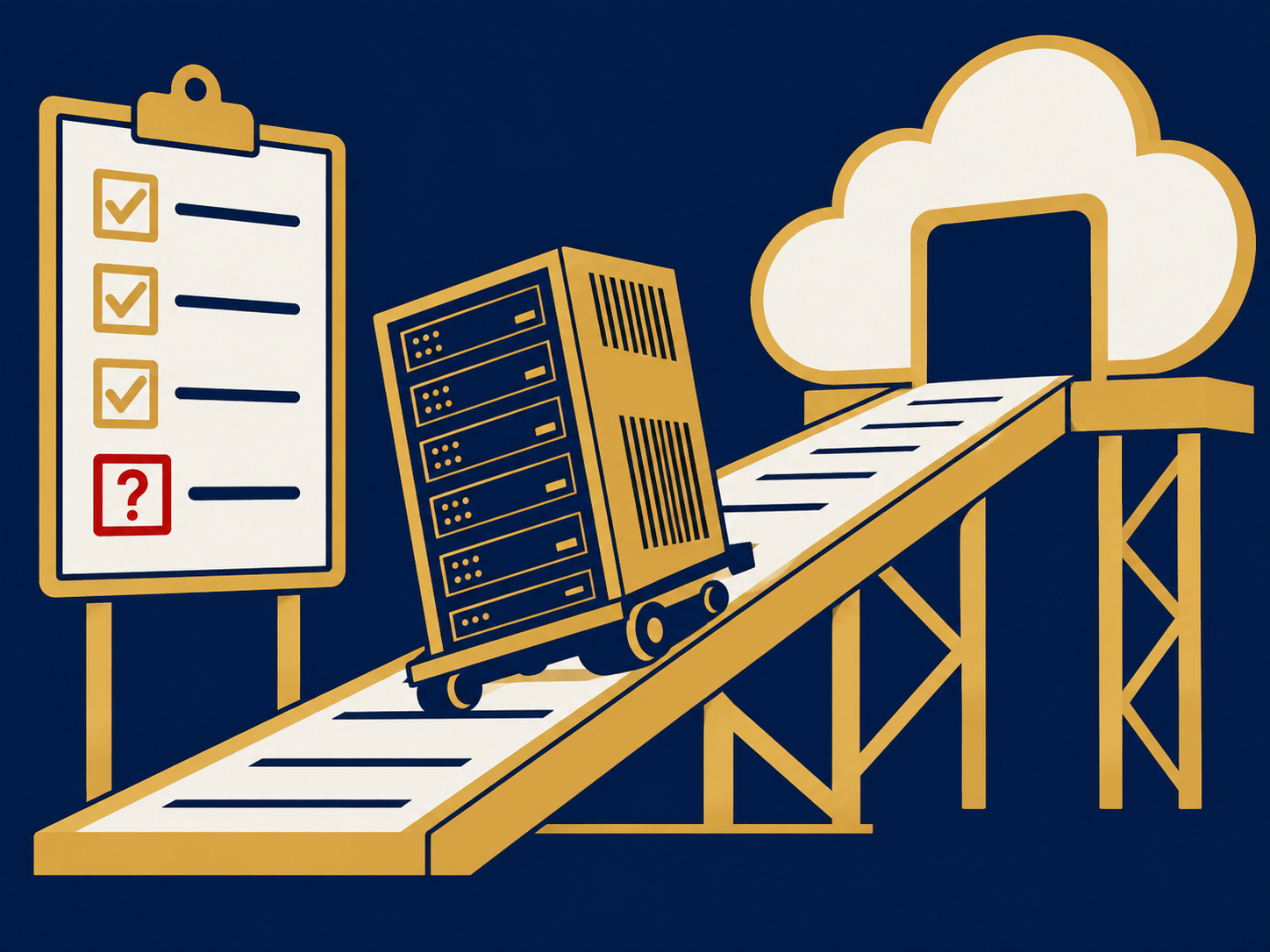
If your dr plan without mttr lacks actionable metrics, you risk prolonged downtime and unpredictable recovery when systems fail. You’ve probably defined Recovery Time Objectives (RTOs) and Recovery Point Objectives (RPOs) for your most critical applications, yet you still struggle to hit those targets in a real outage. That’s because RTO and RPO focus on when to start recovery and how much data loss you can tolerate, not how long it actually takes you to restore service or why delays happen in each phase.
In this article, you’ll learn why MTTR—Mean Time To Recovery—is the missing piece in your disaster recovery strategy, how it differs from RTO and RPO, and what you can do to measure and improve it. You’ll discover best practices for setting realistic targets, documenting plans, leveraging cloud solutions, and tracking recovery performance phase by phase.
Understanding DR Objectives
Before you can improve what you measure, you need to be clear on the different recovery objectives that guide your plan.
Recovery Time Objective (RTO)
RTO is the maximum acceptable delay between service interruption and restoration. It defines how soon an application must be back online after a disruption so that business operations can continue.
Recovery Point Objective (RPO)
RPO is the maximum acceptable time gap between the last available backup and the incident. It sets the limit for data loss by specifying how frequently you take recovery points.
Availability Versus Recovery
Availability metrics such as uptime percentages focus on resilience over time. DR objectives concentrate on one-off recovery readiness for major incidents, natural disasters, or security events. You need both lenses—availability for everyday reliability, and recovery for worst-case scenarios.
Defining MTTR Metric
MTTR stands for Mean Time To Recovery, the average time it takes to restore a system from failure to full operation. Unlike RTO you don’t aim for “no more than X minutes” per event—MTTR tracks how you actually perform across multiple incidents.
Why MTTR Matters
- It reveals real-world performance gaps, not just theoretical targets.
- It highlights which recovery phases consume the most time.
- It lets you benchmark progress, justify investments, and refine processes over time.
Operating a DR plan without monitoring MTTR leaves you “in the dark,” unable to identify weaknesses or measure plan performance necessary to ensure business continuity.
Addressing RTO And RPO Limits
RTO and RPO are critical planning tools, but they have blind spots that can hamper your recovery when you rely on them alone.
Relying on Replication Risks
Replication provides real-time copies of data but also mirrors corruption or malware instantly. Backup strategies with point-in-time snapshots give you clean recovery points even after ransomware attacks, a key best practice in modern DR planning.
Overengineering and Cost
If you set ultra-aggressive RTO and RPO for every workload, you may end up with complex, expensive infrastructure that delivers little incremental benefit. Matching objectives to data criticality helps you optimize spend and simplify operations.
Setting Realistic Recovery Targets
Balancing ambition and feasibility is essential to avoid a dr plan without mttr insight.
Aligning With Business Needs
- Classify applications by impact: revenue drivers, compliance systems, and internal tools.
- Define RTO and RPO per tier so you don’t saddle low-impact workloads with high-cost requirements.
- Revisit objectives regularly as priorities evolve.
When evaluating options, consider whether you need to tier your recovery based on criticality, as explained in disaster recovery tiers.
Avoiding Overengineering
- Use cost-effective cloud storage with immutability and replication features.
- Leverage vendor-provided snapshots instead of building custom appliances.
- Focus on the handful of systems that truly cannot tolerate extended downtime or data loss.
Documenting And Validating Plans
Even the most elegant recovery strategy fails if no one knows how to execute it under pressure.
Clear Documentation
- Maintain runbooks with step-by-step recovery instructions for each application.
- List roles and responsibilities so no task falls through the cracks.
- Store documentation in a version-controlled, accessible location.
Regular Testing
- Schedule drills and simulations at least quarterly to validate procedures.
- Involve cross-functional teams—networking, storage, security, and application owners.
- Capture test results and update playbooks to close any gaps.
A well-tested plan feels familiar when disaster strikes, reducing confusion, stress, and avoidable errors.
Leveraging Cloud‐Based Solutions
Modern DR architectures benefit from cloud agility, performance, and cost models.
Cloud Storage Advantages
- Faster data restoration compared to tape or legacy arrays.
- Built-in redundancy and geographic diversity without manual provisioning.
- Pay-as-you-go billing aligns costs to actual usage.
Partnering with a disaster recovery as a service provider can streamline cloud integration so you offload hardware maintenance and focus on continuous improvement.
Avoiding Hardware Risks
Cloud platforms eliminate single-point-of-failure risks tied to on-premises infrastructure. You get predictable performance even during peak load or multi-site outages, without the overhead of maintaining duplicate data centers.
Monitoring And Improving MTTR
Tracking MTTR as a single number only tells half the story. You need phase-aware insights to drive real improvement.
Five-Stage MTTR Pipeline
Rubrik Zero Labs recommends breaking down recovery into:
- Mean-Time-to-Detect (MTTD)
- Mean-Time-to-Scope (MTTS)
- Mean-Time-to-Select-Good-Snapshot (MTTGS)
- Mean-Time-to-Restore (MTTr)
- Mean-Time-to-Validate (MTTV)
This approach surfaces bottlenecks in detection, validation, or snapshot selection rather than lumping everything into one average.
Building An MTTR Dashboard
- Automate telemetry collection from backup and orchestration tools.
- Display P50 and P90 percentile metrics so you see typical and worst-case performance.
- Track SLAs for each phase and benchmark against peer cohorts.
- Integrate dashboards with ITSM platforms such as ServiceNow or Jira to close feedback loops.
Actionable metrics empower you to streamline workflows, prioritize fixes, and justify DR investments.
Summarizing Key Takeaways
- RTO and RPO define your planning objectives but do not measure actual performance.
- MTTR gives you real-world insight on how long each recovery phase takes and why delays occur.
- Setting realistic targets aligned with business criticality prevents overengineering and wasted spend.
- Clear documentation, regular testing, and cloud-based solutions improve readiness and speed.
- A phase-aware MTTR dashboard enables continuous improvement and accountability.
Incorporating MTTR into your disaster recovery plan closes the measurement gap, making your recovery strategy more predictable, defensible, and efficient.
Need Help With DR Metrics?
Are you struggling to integrate MTTR into your disaster recovery strategy? We help you evaluate DRaaS options, define meaningful recovery metrics, and implement the right tools and processes. From runbook design to dashboard automation, we guide you every step of the way. Contact us today to build a DR plan that delivers the confidence and control your business demands.