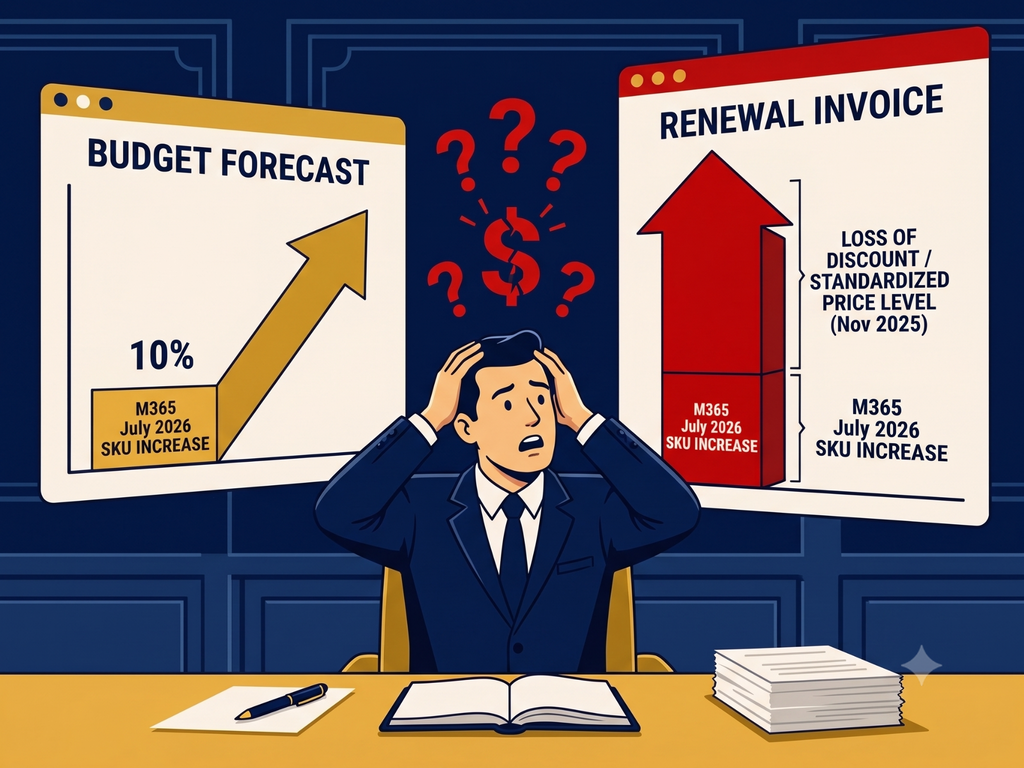
The business case said $40 a user, a month. Finance approved it against the productivity gain. Six months later, the subscription is one of the smaller line items on the project.
What Buying AI Actually Means
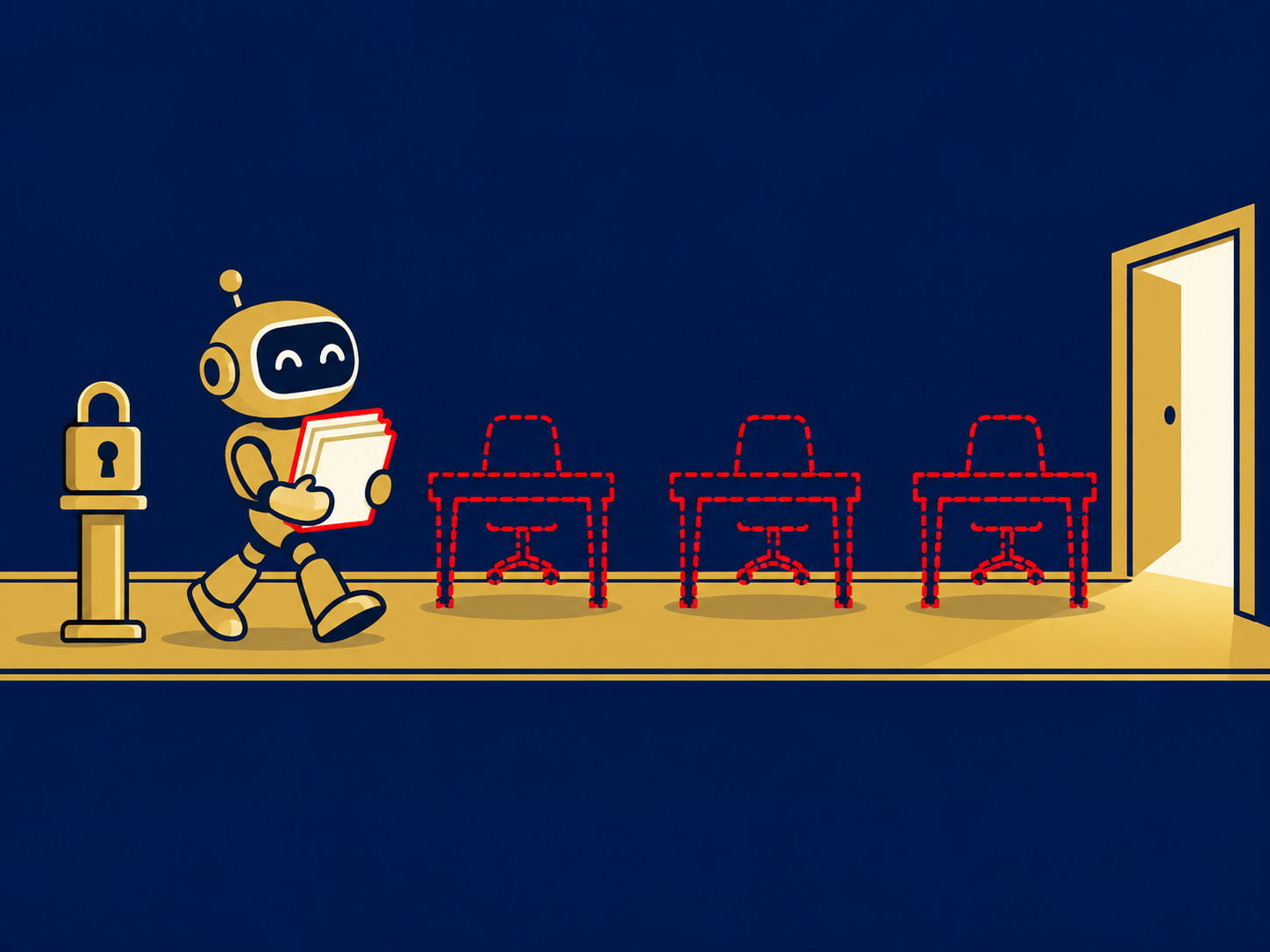
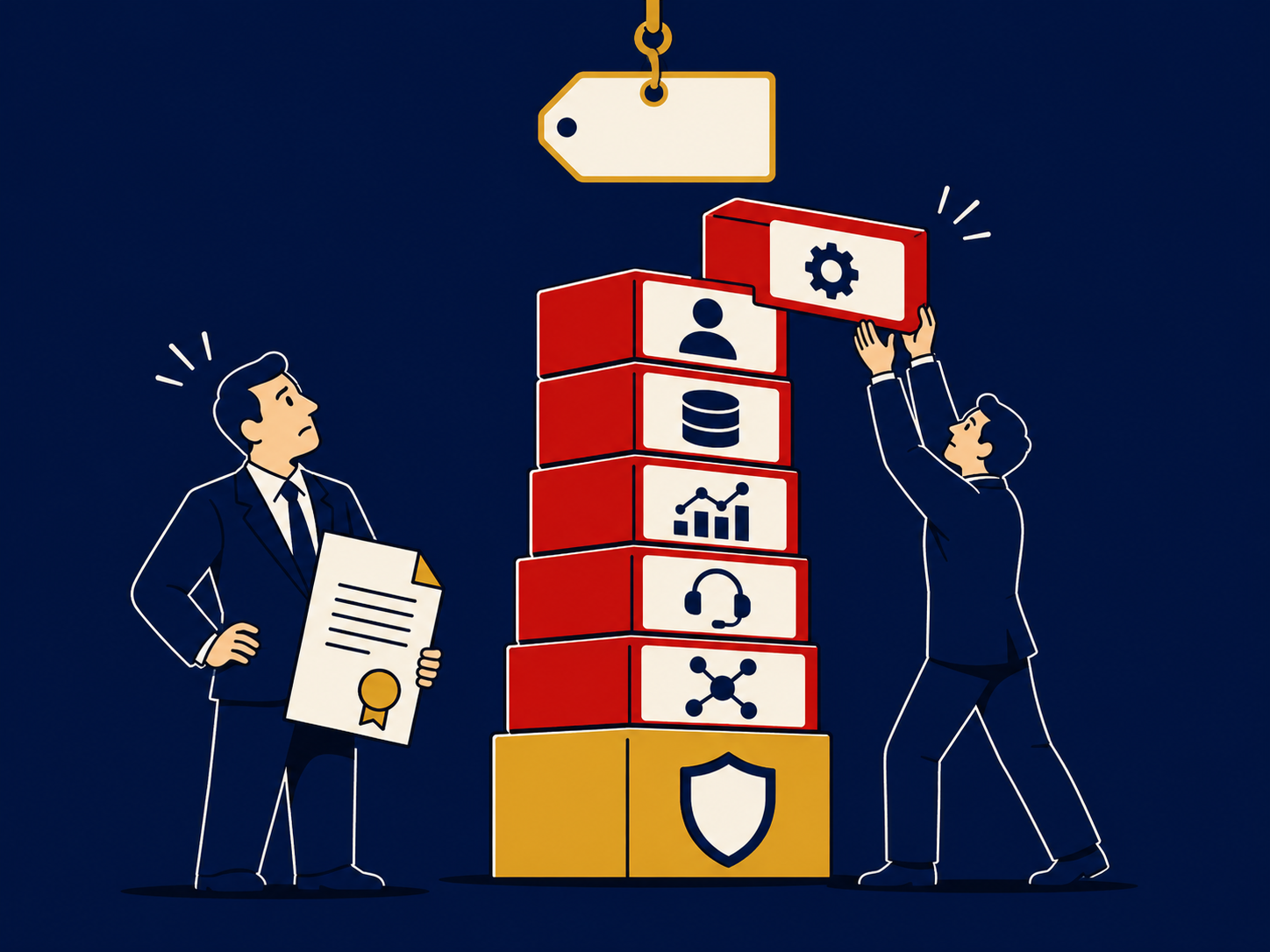
The price was easy to see. What the company took on the moment the tool went live was not. Once an AI tool touches real company data in production, it becomes another system that has to be secured, monitored, supported, and eventually replaced, the same as any other system already running. Behind that sits real infrastructure most buyers never budget for either: identity setup, connectors, logging, storage, monitoring, and the network path all of that traffic actually takes. Whether it’s run by the vendor or run by the company, someone owns it.
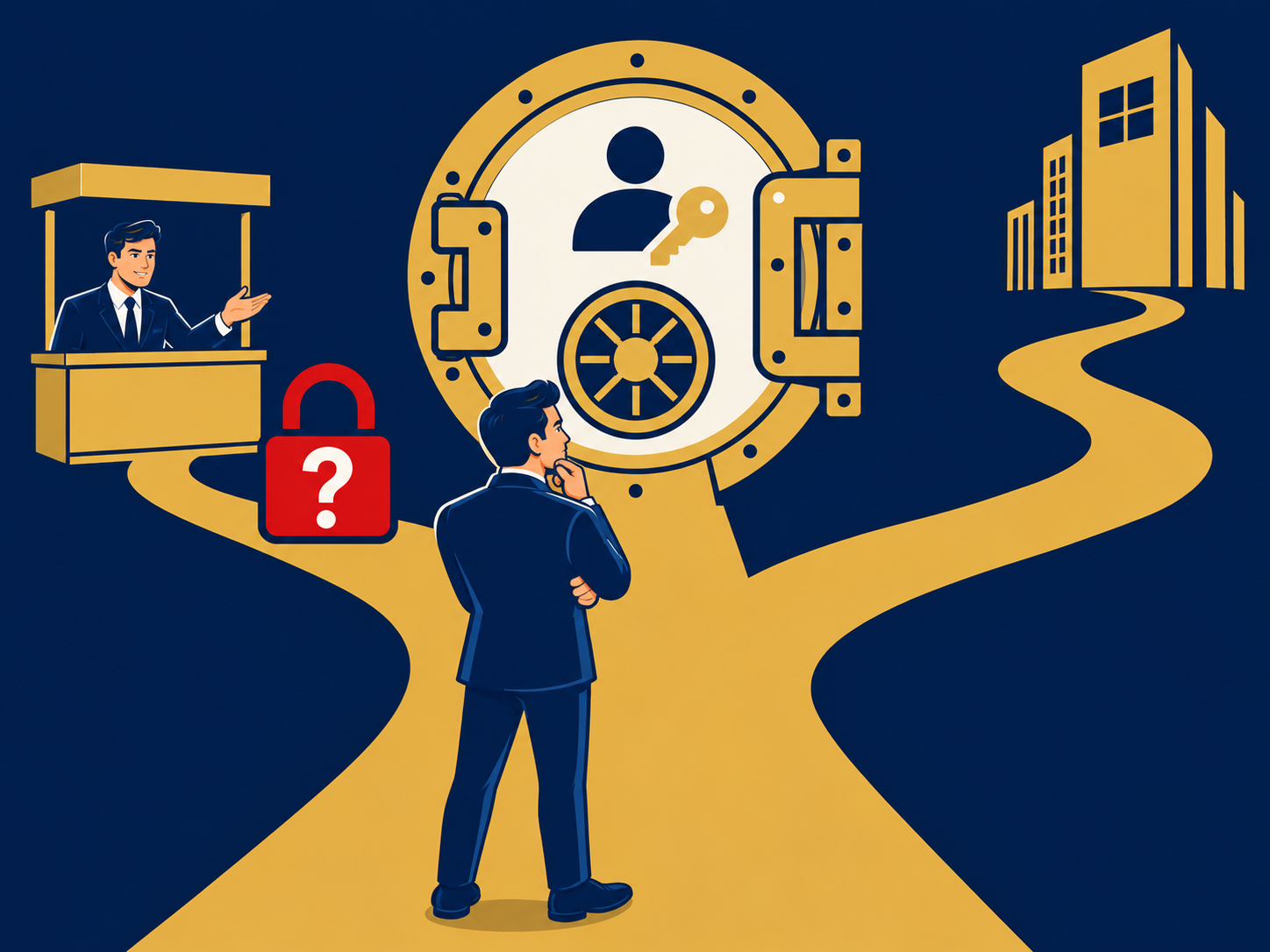
The real question is who owns each piece. Your own team, the vendor, or nobody, because nobody decided yet.
What Actually Shows Up After You Sign
- Who’s allowed to use it, and what it can see. Someone has to decide, and someone has to enforce it.
- Where the data goes, and who controls it. Someone needs to know where information gets stored and who can pull it back up later.
- Who owns watching what it does, fixing it when something breaks, and explaining it when compliance or legal ask.
- Proof, over time, that it’s actually safe, not just checked once. A SOC 2 Type II report is a common example. A signed data agreement is another piece many teams don’t think about until legal or compliance asks.
- What it connects to. Most AI tools plug into other systems, like SharePoint, Microsoft 365, Salesforce, or whatever the company already runs. Every connection becomes something the business now depends on.
- A plan for when it breaks, not just for when it works.
Not every one of these looks the same for every deployment. A tool the vendor fully runs needs less built by hand than something a company’s own team runs and connects itself. But every item above still needs an answer, even if that answer is “the vendor already covers that, and here’s how we know.”
Here’s what this looks like in practice. A company buys Copilot for 300 people. Six months in, IT is managing identity setup, SharePoint permissions, data protection policies, security log collection, instructions for handling support issues, and compliance reviews. None of that was on the original licensing quote. None of it was optional either.
The license got approved. The operational ownership arrived later.
Why the Quote Never Included Any of This
Vendors don’t hide this on purpose, usually. The price per seat is what gets compared across proposals, so it’s what gets quoted. Nobody’s incentive is to lead with the price of doing this correctly, because the number that wins the deal is the smallest one on the page.
The number finance approved was the license cost, not the project cost. Those are two different numbers, and the license number is almost always the smaller one.
What to Ask Before This Goes to Finance
Before an AI business case goes up for approval, these are worth answering, not assuming:
- Does the number finance approved include identity and access work, or just the license?
- Who owns watching this tool, fixing it, and responding when something breaks?
- Has anyone gotten a real SOC 2 Type II report and a signed data agreement, or is that assumed to already exist?
- What does this connect to, and who owns keeping those connections working?
- Is there a support plan for this, or does that get figured out the first time something breaks?
- In three years, who’s responsible for replacing or removing it?
If most of those don’t have a fast answer, the number that got approved isn’t the real number.
Where This Actually Lands
The subscription price was never the real number. The real number is whoever ends up owning the system underneath it once it’s live, and almost nobody prices that in before they sign. Most AI projects get expensive the same way: piece by piece, as the company discovers everything required to run the platform responsibly, months after it’s already in production.