As a media company operating in a hurricane-prone region, you may assume that shifting your infrastructure to the public cloud eliminates risk. In reality, relying solely on cloud services can mask a critical hidden risk for media companies: the absence of a formal disaster recovery plan. When a storm knocks out power, floods data centers, or severs network links, “born-in-the-cloud” workloads can still face extended downtime, reputational damage, and revenue loss.
Understanding that cloud hosting and business continuity are not the same is the first step toward true resilience. Without clear recovery objectives, failover automation, and regular testing, you leave your digital operations—and your audience—vulnerable. In this article you’ll explore why cloud alone isn’t a disaster recovery plan, how hurricane threats compound hidden exposures, and what you can do to design a robust DRaaS strategy that protects your content, brand, and bottom line.
Understanding Hidden Risks
When you hear “cloud,” you think scalability, elasticity, and 24/7 delivery. Yet that perception can obscure the hidden risk for media companies in hurricane zones. You may not realize how quickly a localized outage can cascade into days of lost access, broken workflows, and mounting SLA penalties.
Defining Hidden Risk
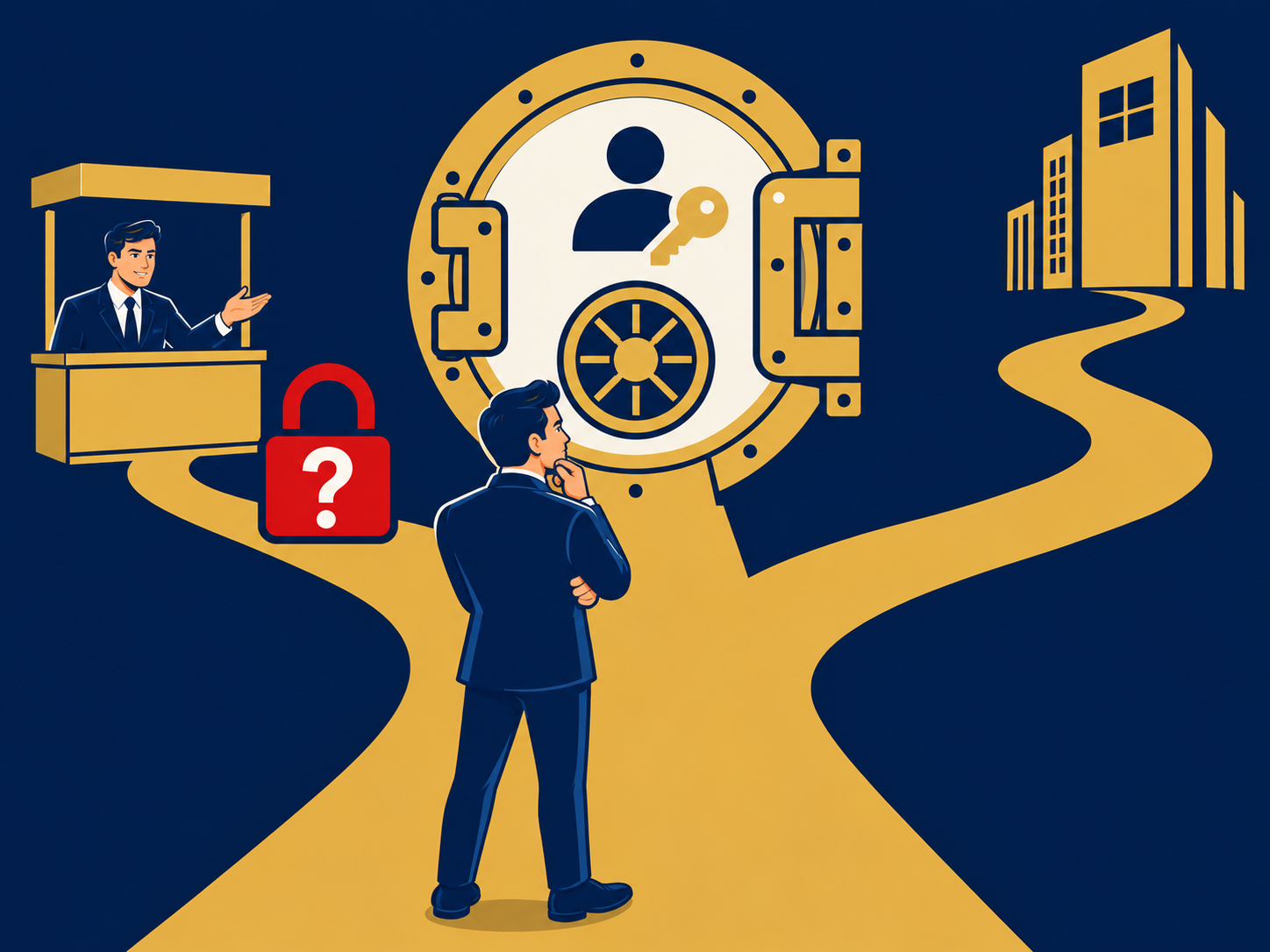
Hidden risk arises when you assume protection without verifying it. In cloud environments, that often means:
- Unverified failover configurations
- No formal Recovery Time Objective (RTO) or Recovery Point Objective (RPO)
- Lack of multi-region orchestration
- No documented incident response procedures
Each gap increases your exposure when a storm or infrastructure failure hits.
Why Cloud Alone Fails
Cloud providers deliver high availability for their platform, but they don’t manage your recovery plan. You remain responsible for:
- Architecting cross-region replication
- Automating DNS failover
- Ensuring data consistency across backups
- Testing your restore procedures
Without orchestration and governance, you can’t be confident that your content pipelines will restart within acceptable windows—or at all.
Assessing Cloud Strategies
Before you commit further resources, take a hard look at your existing cloud strategy. Are you treating your cloud provider as a one-stop DR solution? If so, you need to rethink how you manage continuity.
Cloud Limits Without DR
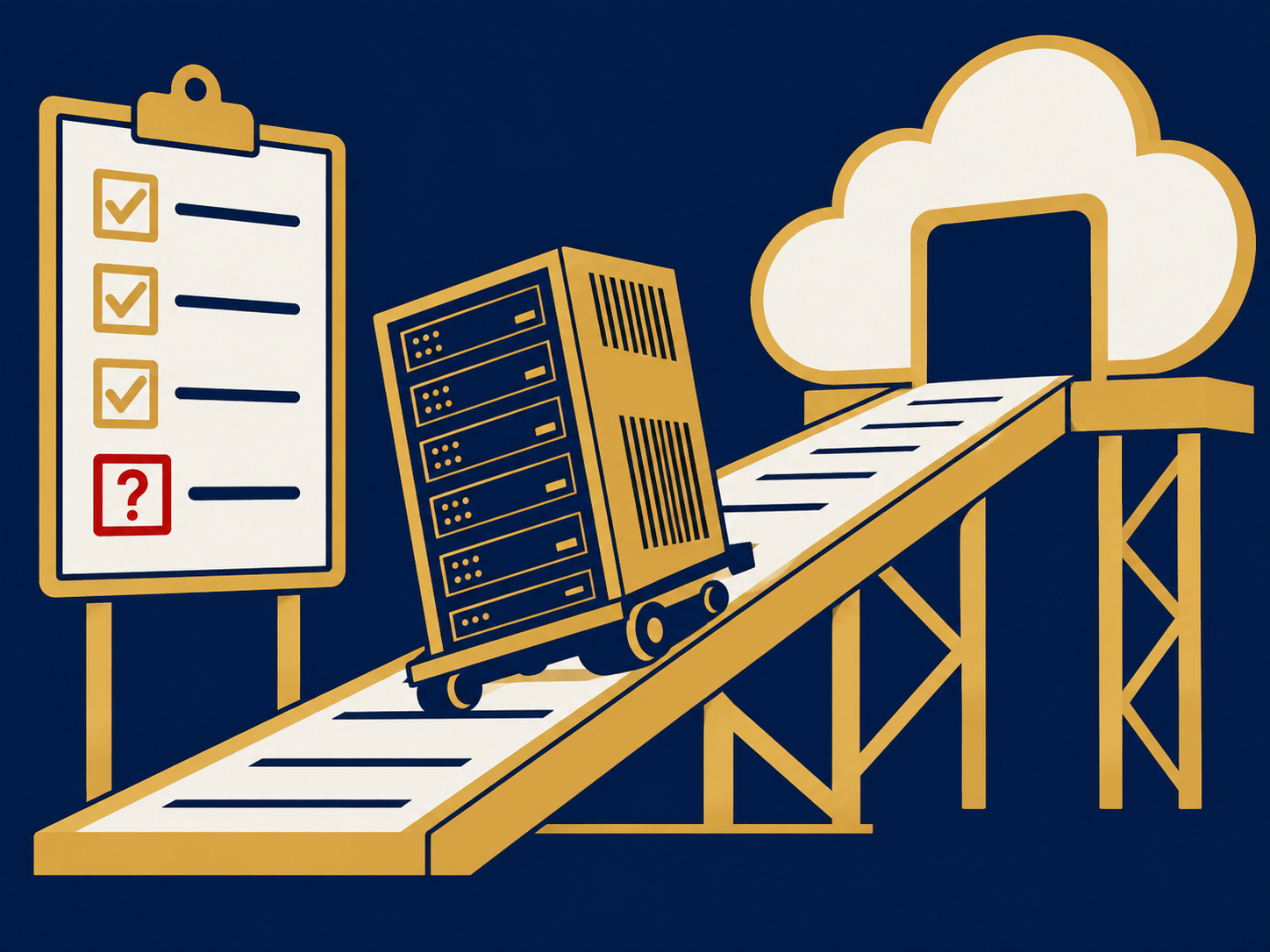
Many teams believe that storing backups in object storage or spinning up a secondary Availability Zone equal full recovery. In truth, those steps only address parts of your disaster recovery plan. You still need:
- Automated failover workflows
- Preconfigured network and security policies
- Validated data integrity checks
- Defined roles for incident response
Common Misconceptions
Teams often fall back on these myths:
- “Our provider handles failover”
- “Snapshots are enough for instant recovery”
- “Multiple availability zones mean zero downtime”
Those assumptions can leave you scrambling when you need to restore live editing environments or archive systems. Instead, treat cloud as your compute and storage fabric, and build recovery controls on top.
If you’re evaluating external options, consider how disaster recovery as a service can plug the gaps in your cloud architecture, rather than reinventing recovery workflows in-house.
Evaluating Hurricane Threats
Hurricanes bring more than wind and rain. You face a complex mix of physical, network, and operational hazards that amplify hidden risk for media companies.
Physical Data Risks
Storm surge, flooding, and wind damage can knock out data centers and on-premises colocation facilities. Even if your primary workloads live in the cloud, you depend on:
- Network points of presence
- Edge caching servers
- Internet exchange points
When those components fail, your audience can’t connect to live streams, news portals, or content libraries.
Operational Disruptions
Beyond infrastructure, hurricanes can displace staff, delay vendor response, and sever supply chains. You may lose access to:
- Production studios
- Content delivery networks (CDNs)
- Support engineers on the ground
Unless you’ve preplanned remote access, automated orchestration, and clear roles for failover, a hurricane can grind your entire operation to a halt.
Consequences Of Inaction
Underestimating disaster recovery risk can carry steep costs across revenue, reputation, compliance, and insurance.
Revenue And Reputation
Every minute of downtime erodes ad impressions, subscription renewals, and viewership loyalty. Studies show that media companies now compete on uninterrupted digital service as much as content quality. Unable to deliver breaking news or scheduled broadcasts, you not only miss revenue targets but also damage brand trust.
Compliance And Insurance
Many media firms assume their cloud SLA doubles as an insurance policy. It does not. As of 2024, sixty percent of U.S. companies are underinsured, and six in ten never reopen after a catastrophic event. In hurricane zones, underinsuring or lacking documented recovery procedures can void coverage and expose you to regulatory fines if you fail to meet contractual guarantees.
Building A Robust Plan
To eliminate hidden risk for media companies, you need a formal disaster recovery plan that integrates with your cloud environment and addresses hurricane-specific threats.
Define Recovery Objectives
Start by naming what success looks like:
Establish RTO and RPO
Set clear Recovery Time and Point Objectives. For live streaming platforms, you might require an RTO under 30 minutes and an RPO under five minutes. Archive systems may tolerate longer windows.
Assign Ownership
Document who is responsible for each recovery task. From triggering failover scripts to notifying stakeholders, clear accountability prevents confusion during a crisis.
Evaluate Recovery Tiers
Not every workload demands the same level of resilience. Use a tiered approach to balance cost and criticality. For guidance on matching downtime tolerance to architecture, see our overview of disaster recovery tiers. This lets you prioritize mission-critical production systems while scaling back less urgent backups.
Selecting DRaaS Solutions
A managed Disaster Recovery as a Service offering can simplify your plan, inject automation, and give you confidence that tested workflows will execute when needed.
DRaaS Versus In-House
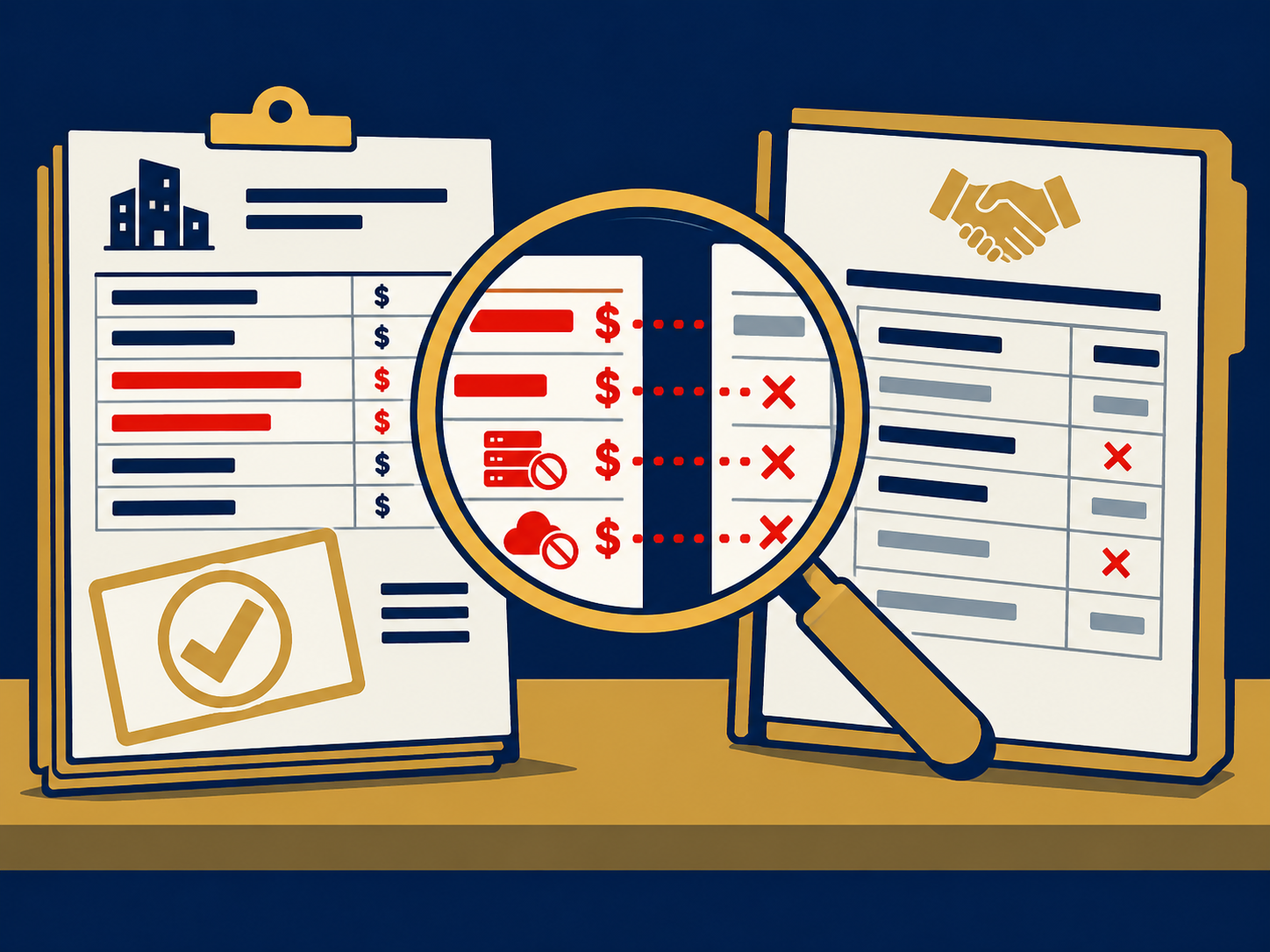
Deciding between a self-managed recovery framework and a DRaaS provider requires weighing:
- Up-front development and staffing costs
- Frequency and depth of testing
- SLA guarantees and support hours
To compare your options, review our guide on draas vs in-house.
DRaaS For Agencies
If you work in a media agency or content studio, you need flexibility for multiple clients, rapid environment spin-up, and transparent billing. A specialized model lets you:
- Maintain isolated recovery vaults per client
- Automate environment provisioning in different regions
- Integrate with existing workflow tools
Learn more about tailored offerings in our draas for agencies overview.
Key Service Features
When evaluating DRaaS proposals, look for:
- Automated Failover: End-to-end orchestration from DNS switch to application restart
- Geographic Redundancy: Multi-region replication to avoid single-point failures
- Regular Testing And Reporting: Scheduled simulations with audit-grade logs and compliance evidence
- Pay-As-You-Use Pricing: Align costs with actual recovery events rather than fixed infrastructure fees
Implementing Your DRaaS
Signing a contract is just the beginning. You need ongoing governance to ensure your DR strategy stays aligned with evolving threats and workloads.
Testing And Validation
Run full-scale recovery drills at least twice a year. Include:
- Simulated hurricane scenario triggering regional failover
- Verification of data integrity and application performance
- Stakeholder communication checkpoints
Document results, update runbooks, and remediate any gaps before the next storm season.
Continuous Optimization
Review service-level reports and cost metrics quarterly. As you add new services or retire legacy systems, reassess:
- RTO and RPO targets
- Tier assignments per application
- Network and security configurations
A living DR plan adapts as your operations and the threat landscape change.
Summarizing Key Takeaways
Hidden risk for media companies in hurricane zones comes from equating cloud hosting with disaster resilience. Without clearly defined recovery objectives, tiered strategies, and tested failover automation, even cloud-native workloads can face extended outages, financial loss, and brand damage.
By defining RTO and RPO, assigning accountability, and choosing a purpose-built DRaaS partner, you transform hidden exposures into a transparent, manageable program. Regular testing and continuous optimization ensure that when the next storm hits, you’ll restore critical services quickly and confidently.
Need Help With DR Planning?
Need help with disaster recovery planning in hurricane zones? We help you clarify your recovery objectives, evaluate providers, and implement a proven DRaaS solution that meets your uptime, data integrity, and compliance needs. Talk to us today to secure your media operations before the next storm.