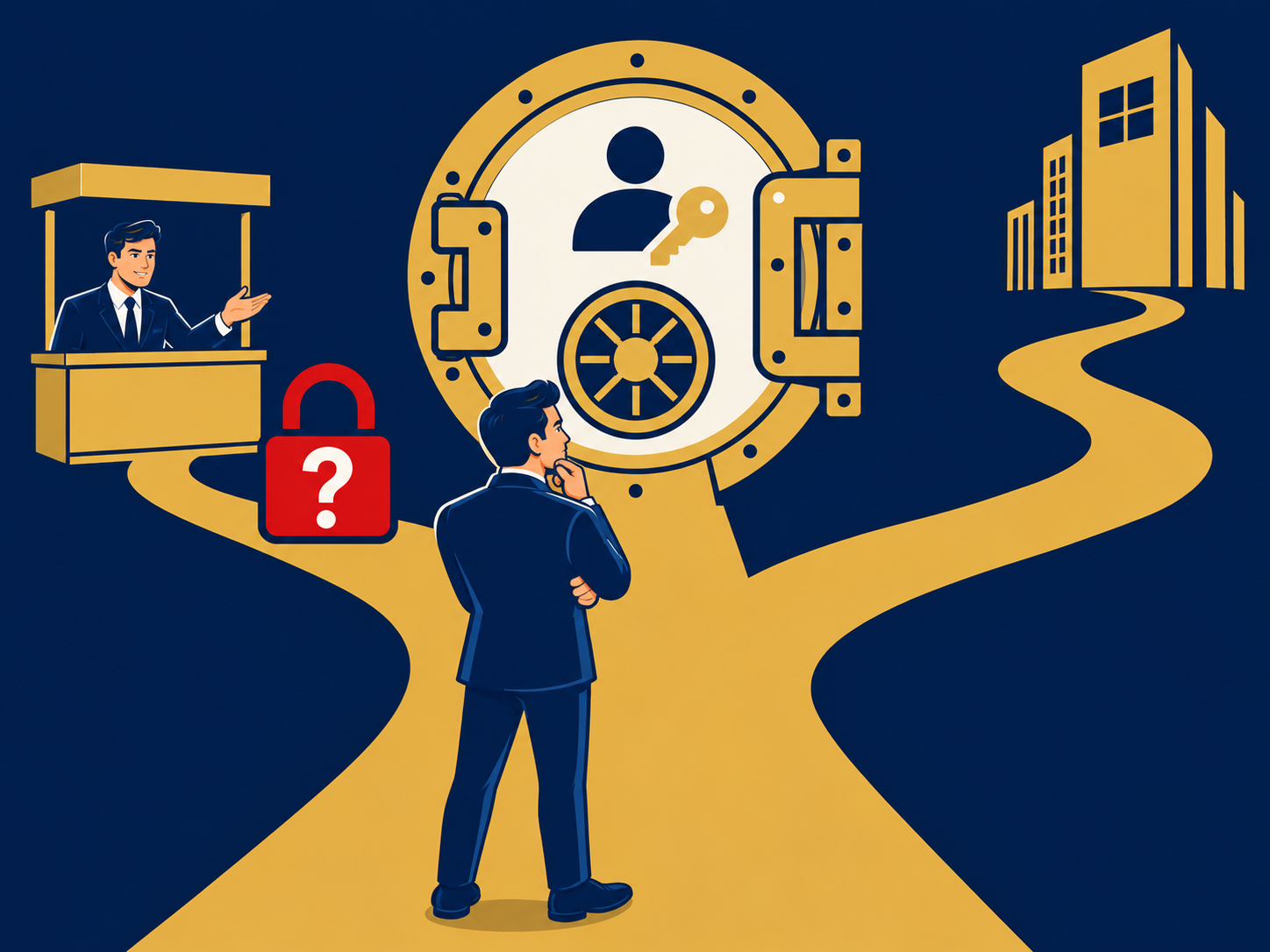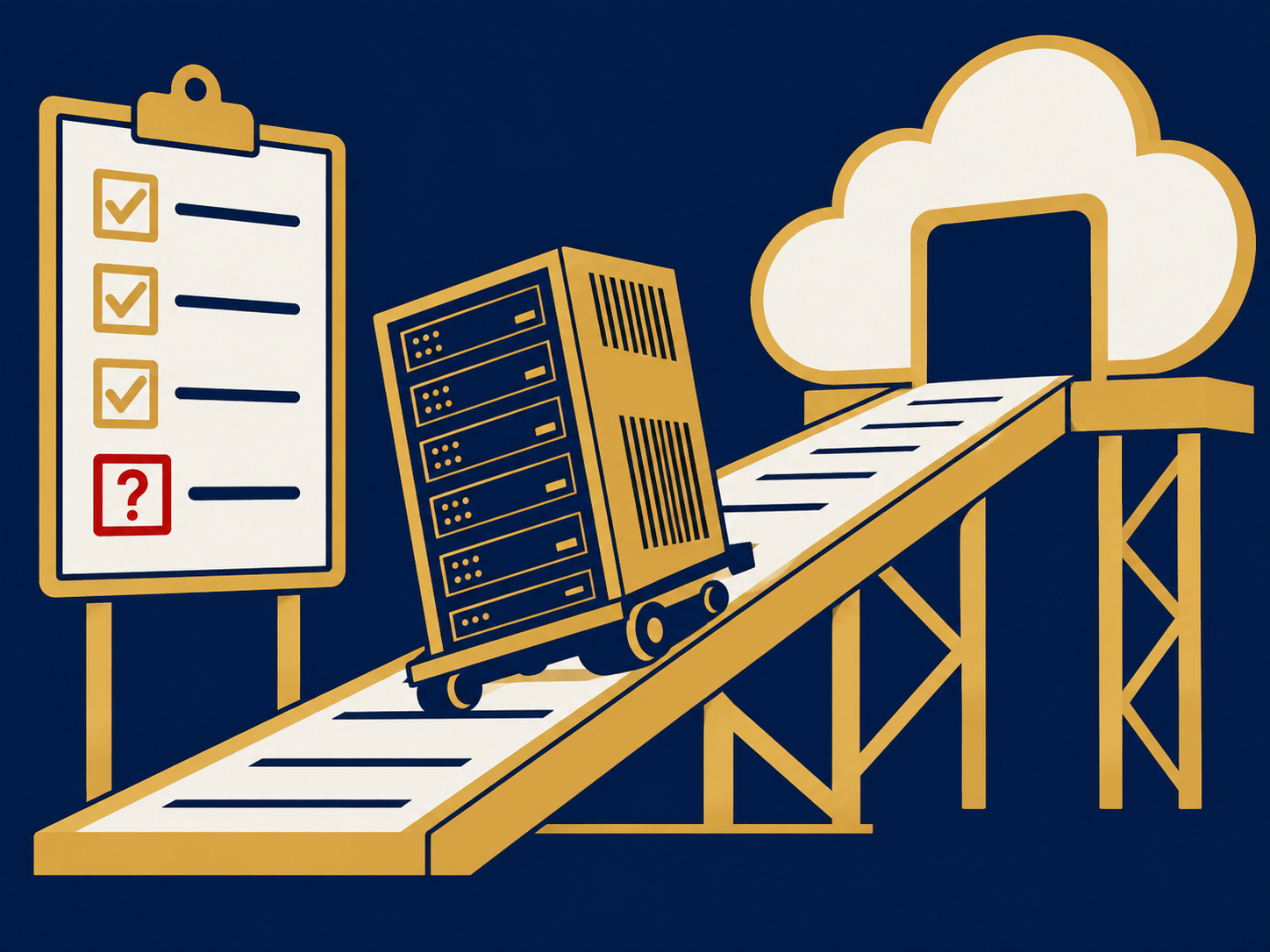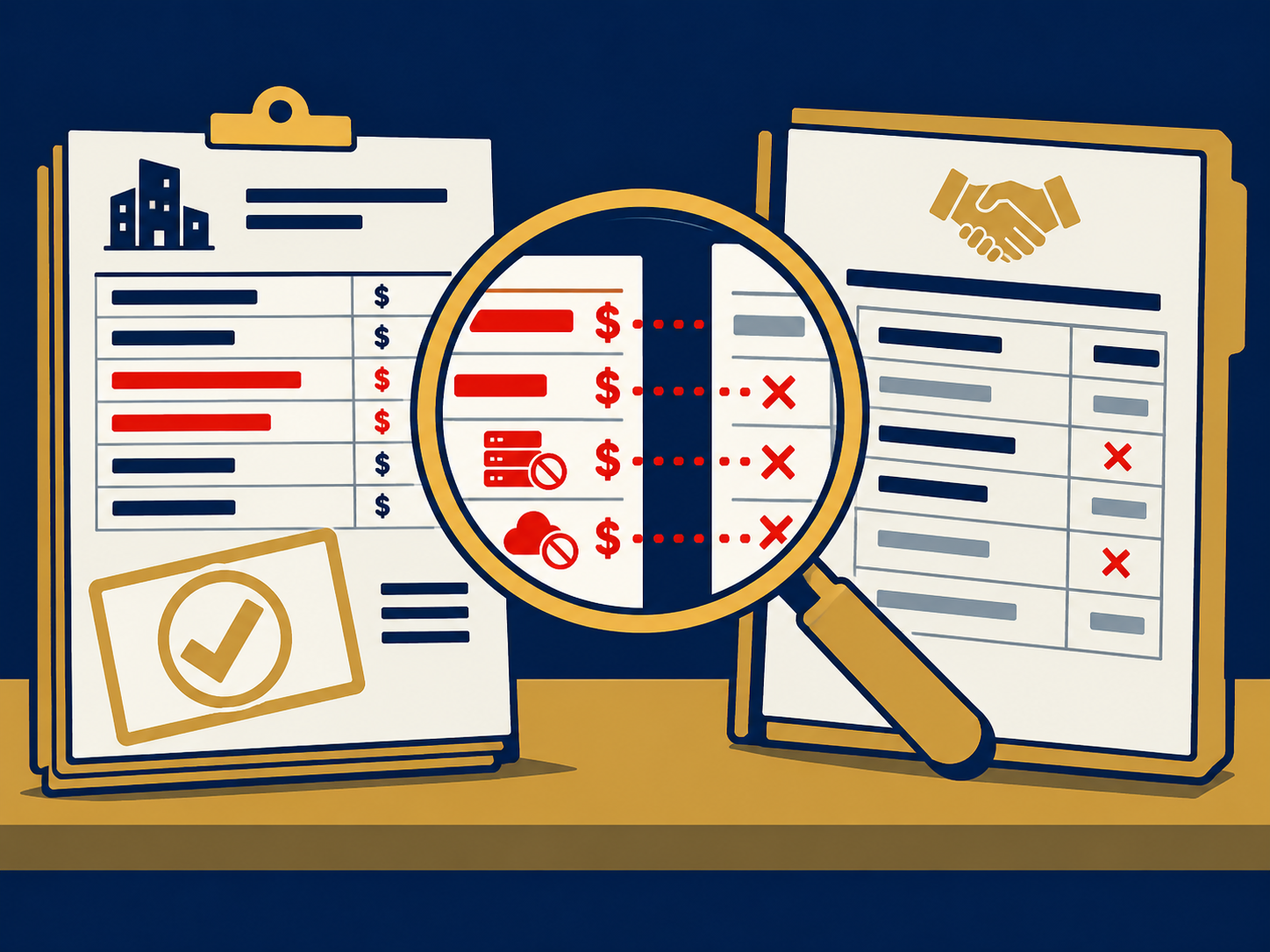
When you ask “is antivirus enough” for your business security, the direct answer is no. Antivirus software remains a vital first line of defense, scanning for known malware, alerting you to suspicious files, and blocking malicious code. Yet modern threats have outpaced what signature-based scanning alone can handle. As attackers leverage zero-day exploits, phishing tactics, and advanced intrusion methods, relying solely on antivirus leaves gaps in your defenses and exposes you to costly breaches.
In this article, you’ll learn why antivirus alone can’t protect your business from today’s sophisticated threats. We’ll explore the evolving attack landscape, outline the key limitations of antivirus software, and show you how to build a multi-layered security strategy that combines firewalls, patch management, user training, and advanced endpoint detection and response. By the end, you’ll understand how to defend against both known and emerging threats, measure your security effectiveness, and move toward a zero trust model that continuously evaluates risk.
Why Antivirus Falls Short
Antivirus software excels at detecting malware based on known signatures, but today’s cyberattacks often bypass signature checks entirely. Attackers craft polymorphic code that mutates to evade detection, or they exploit vulnerabilities before security vendors can update their virus definitions. Even anti-phishing modules and heuristic analysis can’t catch every deceptive email or malicious link.
Antivirus tools also focus on endpoints in isolation. They lack visibility into your network traffic, cloud applications, or user identities. Without continuous monitoring and correlation across multiple data sources, you’ll miss lateral movement by attackers once they breach an endpoint. Real-time threat management platforms can detect unusual patterns, but antivirus by itself can’t provide that level of insight.
Finally, antivirus solutions often generate false positives, flagging legitimate files as threats and disrupting workflows. You may find teams disabling protection or ignoring alerts, which further undermines your security posture. To protect against advanced malware, ransomware, rootkits, and fileless attacks, you need more than signature-based scanning.
Understanding Modern Threats
Your business faces a broad spectrum of digital threats that extend beyond traditional viruses. Key categories include:
- Zero-Day and Exploit Kits: Unknown vulnerabilities exploited before patches are available.
- Phishing and Spear Phishing: Social engineering campaigns designed to steal credentials or deliver malware.
- Ransomware: Malware that encrypts critical data, demanding payment for decryption.
- Living-Off-The-Land Attacks: Use of legitimate tools and scripts to avoid detection.
- Supply Chain Compromise: Infiltration via third-party software or services you trust.
According to the AV-Test Institute, over 450,000 new pieces of malware and potentially unwanted applications emerge daily. When attackers combine technical exploits with social engineering, antivirus solutions alone can’t detect every variant or malicious behavior.
The financial stakes are high. According to a 2022 IBM report, the average cost of a data breach is about $4.35 million. For most organizations, that far exceeds your annual spending on antivirus licenses. Yet without a broader strategy, antivirus remains only one piece of the puzzle.
Key Antivirus Limitations
Modern cybersecurity requirements demand more than what legacy antivirus solutions offer. Here are the main gaps you need to address:
Limited Visibility
Antivirus software scans files and processes on individual endpoints, but it doesn’t see network traffic, cloud environments, or user behavior across your infrastructure. You need continuous monitoring tools that correlate events from firewalls, servers, and applications to detect stealthy intrusions.
Vulnerability Window
New vulnerabilities appear daily, and antivirus vendors may take hours or days to update their signature databases. During that window, your endpoints remain exposed to zero-day exploits and targeted attacks that antivirus can’t block.
Performance Impact
On older hardware or beta operating systems, antivirus can consume significant CPU and memory resources, slowing down critical applications. User frustration often leads to disabling protection features, creating additional security holes.
False Positives
Heuristic and behavioral analysis can generate false alarms, flagging legitimate software or scripts as malicious. High false-positive rates erode trust in alerts, causing IT teams to overlook genuine threats or turn off notifications.
No Real-Time Incident Response
Antivirus alerts require manual investigation and remediation. Without automated triage or managed detection and response services, you risk delayed response to active breaches and prolonged dwell time on your network.
Building A Multi-Layered Defense
To close the gaps left by antivirus alone, you need a cohesive, multi-layered cybersecurity strategy. Key components include:
- Firewalls and Network Controls
Segment your network, enforce access rules, and inspect inbound and outbound traffic to stop threats before they reach endpoints. - Multi-Factor Authentication
Require additional verification factors to thwart credential theft. MFA reduces account compromise risk significantly; for details, see our guide on mfa security gaps. - Patch Management and Vulnerability Scanning
Keep operating systems and applications up to date. Automate patch deployment and run regular scans to identify and remediate security weaknesses before attackers can exploit them. - Security Awareness Training
Educate employees on phishing, social engineering, and safe browsing habits. Human error remains a leading breach cause, so invest in continuous training and simulated phishing tests. - Endpoint Detection and Response
Supplement antivirus with advanced threat detection that uses behavioral analytics, machine learning, and threat intelligence. Explore our overview of endpoint detection and response solutions to learn how EDR gives you real-time visibility and automated remediation.
Each layer reinforces the others, reducing your reliance on any single control and increasing the overall effectiveness of your security posture.
Enhancing Your EDR Strategy
Advanced endpoint detection and response tools address many limitations of antivirus software, but you need to implement them thoughtfully:
- Define Clear Outcomes
Establish what you want to achieve—faster incident response, reduced dwell time, or improved compliance. Clear metrics make it easier to measure and defend your investment, see our insights on edr roi. - Integrate With Existing Tools
Connect your EDR platform to SIEM, ticketing systems, and threat intelligence feeds. This integration enables automated workflows and enriches alerts with context. - Automate Remediation
Use playbooks to isolate compromised endpoints, kill malicious processes, and roll back suspicious changes. Automation reduces manual effort and ensures consistent response. - Continuously Tune Detection Rules
Review alerts regularly to fine-tune detection logic, eliminate noise, and adapt to evolving attack methods. Work closely with your IT and security teams to refine priorities. - Leverage Managed Detection and Response
If 24/7 monitoring stretches your team too thin, partner with an MDR provider. They can triage alerts around the clock, so you’re never unaware of an active compromise.
By taking a strategic approach to EDR, you’ll extend beyond antivirus and build a responsive security ecosystem that adapts to new threats.
Adopting A Zero Trust Model
Zero trust transforms your mindset from “trust, then verify” to “never trust, always verify.” Key principles include:
- Least Privilege Access
Grant users and devices only the permissions they need, reducing potential attack surfaces. - Continuous Authentication
Re-authenticate users and devices based on risk signals like location, device posture, or time of day. - Microsegmentation
Divide your network into granular zones, limiting attacker movement even after an initial breach.
Integrating EDR with a zero trust framework delivers stronger protection. For guidance on merging these approaches, see our discussion of edr zero trust.
Zero trust requires cultural shift and executive alignment. Success hinges on clear outcome definitions, predictable implementation phases, and stakeholder buy-in at every level.
Conclusion
Antivirus software remains a critical component of your security foundation, but it can’t keep pace with modern threats on its own. Zero-day exploits, phishing campaigns, and sophisticated network attacks demand a multi-layered defense that combines firewalls, patch management, user training, and advanced endpoint detection and response. By defining clear outcomes, integrating tools, and adopting a zero trust mindset, you’ll reduce risk, improve incident response, and build a more resilient security posture.
Need Help With Protecting Against Modern Threats?
We help you assess your current security gaps, evaluate leading providers, and design a cohesive defense strategy that goes beyond antivirus. Whether you’re selecting an EDR solution, closing mfa security gaps, or adopting zero trust principles, our team guides you every step of the way. Talk to us today about how to secure your endpoints, strengthen your network controls, and gain confidence against evolving threats.