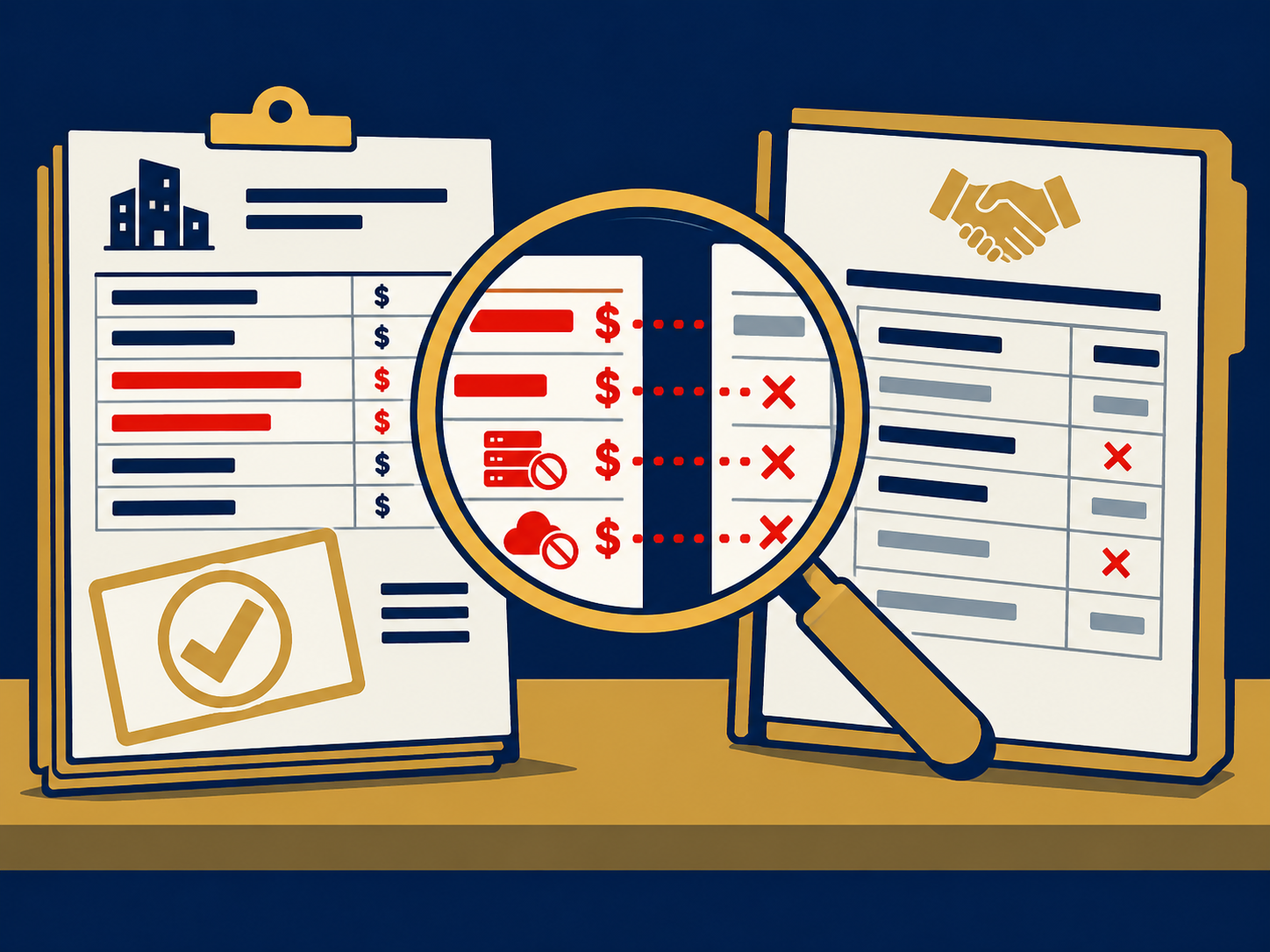
Sales pipeline blind spots can undermine your revenue targets, erode stakeholder confidence, and hide risks until it’s too late. As a B2B IT decision-maker, you need clear visibility into every stage of your pipeline to prevent deals from slipping through the cracks. In this article, you’ll discover the most common IT-driven blind spots, learn how to detect them early, and apply practical steps to secure your pipeline.
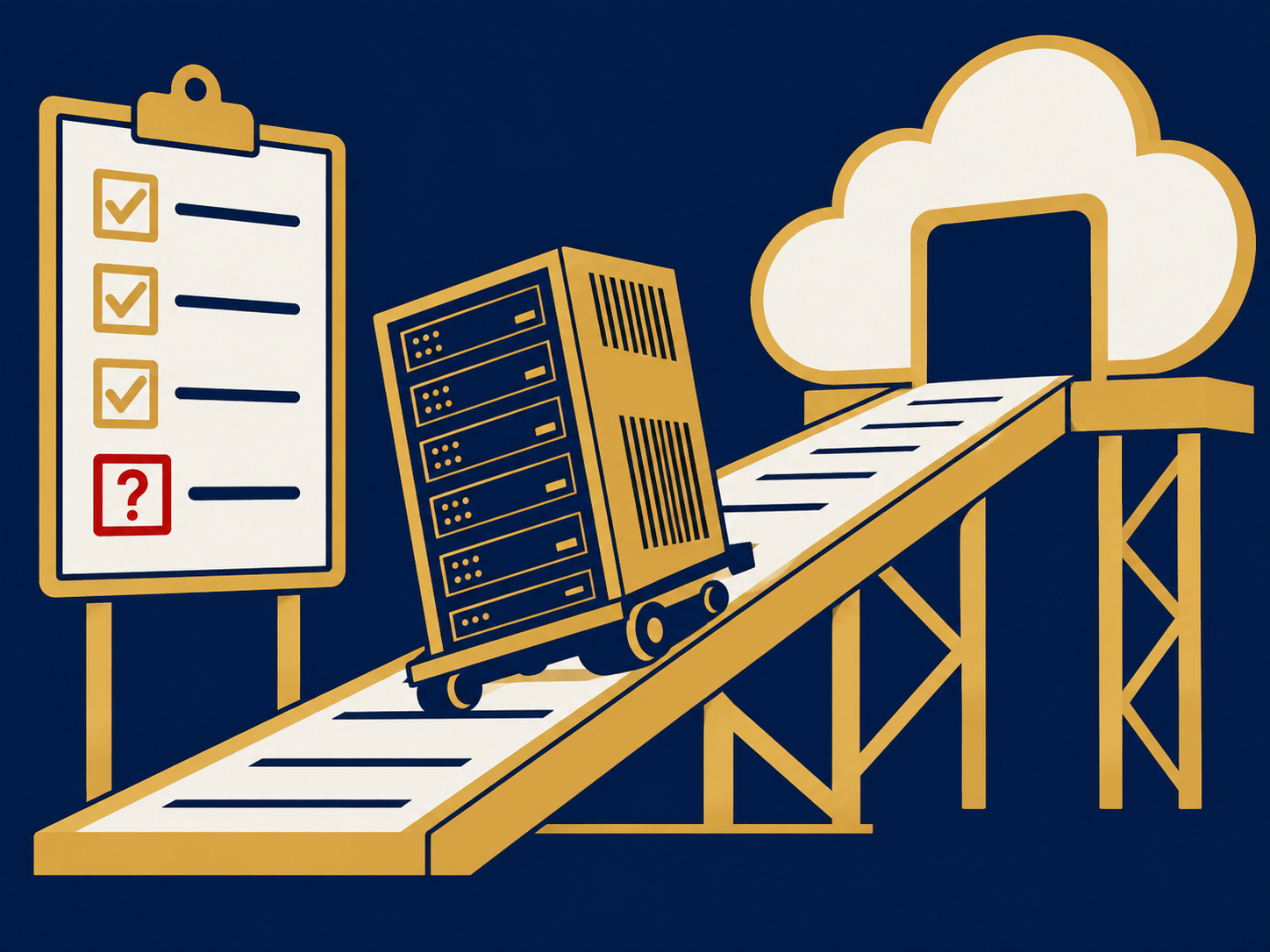
You face four critical moments: planning your IT strategy, making intelligent purchase decisions, validating investments with stakeholders, and auditing existing technology to optimize performance. Each moment requires different insights, but all depend on a spotless pipeline. We’ll walk you through six areas where gaps often appear and show you how to close them before they kill your deals.
By the end, you’ll have a clear roadmap to identify warning signs, tighten qualification criteria, streamline operations, boost data transparency, align teams, and maintain hygiene. Let’s get started.
Identify Early Warning Signs
Before you can fix blind spots, you must spot them. Early warning signs often emerge in data gaps, irregular deal activities, and weakening buyer engagement. Watch for these signals to take corrective action while there’s still time.
Spot Data Gaps
Incomplete or outdated deal records are a classic blind spot. When key details such as decision-maker roles, budget approvals, or project timelines are missing, forecasting accuracy plummets. Conduct regular audits of your CRM and ensure every opportunity has essential fields populated. A short validation checklist or automated completeness report can highlight records that need attention.
Monitor Deal Activities
Deals that stall at the same stage for weeks often indicate unseen obstacles. Track activity metrics such as call frequency, email responses, and meeting outcomes. If activity drops or becomes erratic, investigate promptly. A sudden decline in touches could signal that your messaging is off, a competitor has emerged, or internal alignment has shifted.
Evaluate Buyer Engagement
Even when you’ve reached the right contacts, engagement levels can vary. Look beyond the first committee member you meet. Assess response rates, content downloads, and portal log-ins across all stakeholders. Low engagement from secondary decision-makers often spells trouble. Schedule candid check-ins to realign expectations, address objections, and confirm next steps.
Improve Lead Qualification
Poor lead generation and filtering create a crowded pipeline and waste your team’s time. By refining where leads come from and how you vet them, you reduce noise and focus on opportunities ready to buy.
Expand Lead Sources
Relying solely on professional networks limits your view of the market. Broaden your scope to include review platforms, startup directories, online communities, and social media groups. These channels often surface prospects that bypass traditional channels. Diversifying sources uncovers new industries, geographies, and use cases that align with your IT solutions.
Apply Qualification Frameworks
Standardized frameworks like BANT (Budget, Authority, Need, Timeline) or MEDDIC (Metrics, Economic buyer, Decision criteria, Decision process, Identify pain, Champion) give your team a clear filter. Define threshold criteria for each element and score leads accordingly. When a lead fails to meet core criteria, disqualify or nurture it through parallel channels until it’s ready, preserving your sales capacity for high-probability deals.
Filter Dead Deals
A pipeline bloated with unviable opportunities distorts forecasts. Implement a regular review cadence—monthly or quarterly—to disqualify deals that show no progress or budget commitment. Use simple rules such as “no contact in 30 days” or “no budget confirmation” to flag and remove stale opportunities. This keeps your forecast realistic and your team focused.
Automate Repetitive Tasks
Manual processes absorb up to two-thirds of a rep’s time, leaving less room for selling. Sales automation not only frees bandwidth but also ensures consistency and speed across your pipeline.
Streamline Data Collection
Automated data enrichment tools can pull contact details, firmographics, and company news into your CRM. Instead of manual research, reps see the latest insights at a glance. This reduces errors, prevents duplicate records, and accelerates opportunity qualification.
Scale Outreach Efforts
Email sequences, chatbots, and scheduled touchpoints let you engage hundreds of prospects without sacrificing personalization. You can trigger follow-ups based on buyer behavior—for example, sending educational content after a demo request—so no lead falls through the cracks. Integrating these workflows with your CRM creates one cohesive system for tracking engagement.
Enable Real-Time Collaboration
Closing complex deals often requires coordination between sales, presales, and customer success. Integrate your CRM with communication platforms to share updates, documents, and task lists instantly. A shared workspace prevents miscommunication, keeps stakeholders aligned, and shortens the sales cycle.
Enhance Pipeline Visibility
Blind spots thrive in disconnected data silos. Consolidating information and applying predictive insights helps you see risks early and prioritize investments wisely.
Consolidate Data Sources
Spreadsheets, emails, and disparate systems create hidden gaps. Centralize your opportunity data in a unified CRM to serve as your single source of truth. Mandatory fields and standard stage definitions ensure consistency. With a central repository, leadership gains instant access to accurate pipeline snapshots.
Leverage Artificial Intelligence Forecasting
By leveraging artificial intelligence, you can automate forecasting and risk detection. AI models analyze historical win rates, stakeholder engagement, deal velocity, and market signals to flag at-risk opportunities before they slip away. Instead of relying on gut instinct, you get objective, data-driven guidance to reallocate resources where they matter most.
Monitor Relationship Health
Quantitative metrics tell only part of the story. Incorporate qualitative assessments such as stakeholder sentiment, competitive positioning, and value alignment into your pipeline reviews. A brief internal survey or deal health scorecard can capture these insights, giving you a fuller picture of each opportunity’s viability.
Align Cross-Functional Teams
Misalignment between sales, marketing, and customer success creates friction that prospects feel. A unified approach ensures seamless handoffs, consistent messaging, and shared accountability.
Define Shared Objectives
Establish common objectives—such as revenue targets, customer retention goals, or product adoption milestones—and track them collectively. When marketing and sales see the same success metrics, campaigns become more focused and handoffs smoother. Document these objectives in a central dashboard so everyone knows what’s prioritized.
Implement Regular Reviews
Weekly or biweekly pipeline reviews bridge gaps between teams. In these sessions, sales can highlight emerging deals, marketing can share campaign performance, and customer success can flag onboarding risks. This forum surfaces blind spots early and aligns resources to expedite high-value opportunities.
Foster Cross-Training
Encourage reps to attend marketing workshops and invite marketers to sales demos. When teams understand each other’s challenges and tools, they build trust and deliver more cohesive buyer experiences. Cross-training also broadens your team’s skill sets, making them better equipped to spot pipeline gaps that span multiple functions.
Maintain Pipeline Hygiene
Even the best processes fail without ongoing maintenance. A disciplined hygiene routine preserves accuracy, reduces blind spots, and keeps your pipeline healthy.
Disqualify Dead Deals
Set clear criteria for when to close out lost or inactive opportunities. For example, if a deal shows no progress after three months and every outreach attempt has failed, mark it as lost. Moving dead deals out of active stages prevents inflated forecasts and lost focus.
Update Contact Records
Buyer roles and responsibilities change frequently. Enforce a quarterly audit of contact lists to remove outdated or duplicate entries. Keeping your database current prevents wasted outreach and ensures you’re talking to the right people at the right time.
Standardize Follow-Up Cadences
Consistent follow-up is essential, yet 44% of reps give up after just one touch. Implement lead follow-up automation to schedule multi-touch campaigns that adapt to buyer behavior. A standardized cadence—combining emails, calls, and social outreach—increases your chances of connecting and closing.
Recap and Next Steps
Sales pipeline blind spots lurk in every stage—from poor lead sourcing and weak qualification to data silos and misaligned teams. By identifying early warning signs, tightening qualification criteria, automating routine tasks, unifying your data platform, aligning cross-functional teams, and enforcing ongoing hygiene, you create a resilient pipeline you can trust. Use these tactics to turn hidden risks into competitive advantages and drive sustainable revenue growth.
Need Help With Blind Spots?
Are you struggling to root out sales pipeline blind spots and regain control of your forecast? We can help. Our experts guide you through solution selection, system integration, and process design so you get the visibility and predictability your team deserves. Whether you need to vet vendors, build custom workflows, or optimize your CRM, we’re here to support you. Contact us today to start closing your pipeline gaps and accelerating revenue.