Cloud Data Isn’t as Safe as You Think: The Truth About Shared Responsibility
November 20, 2025

Understanding Shared Responsibility Model
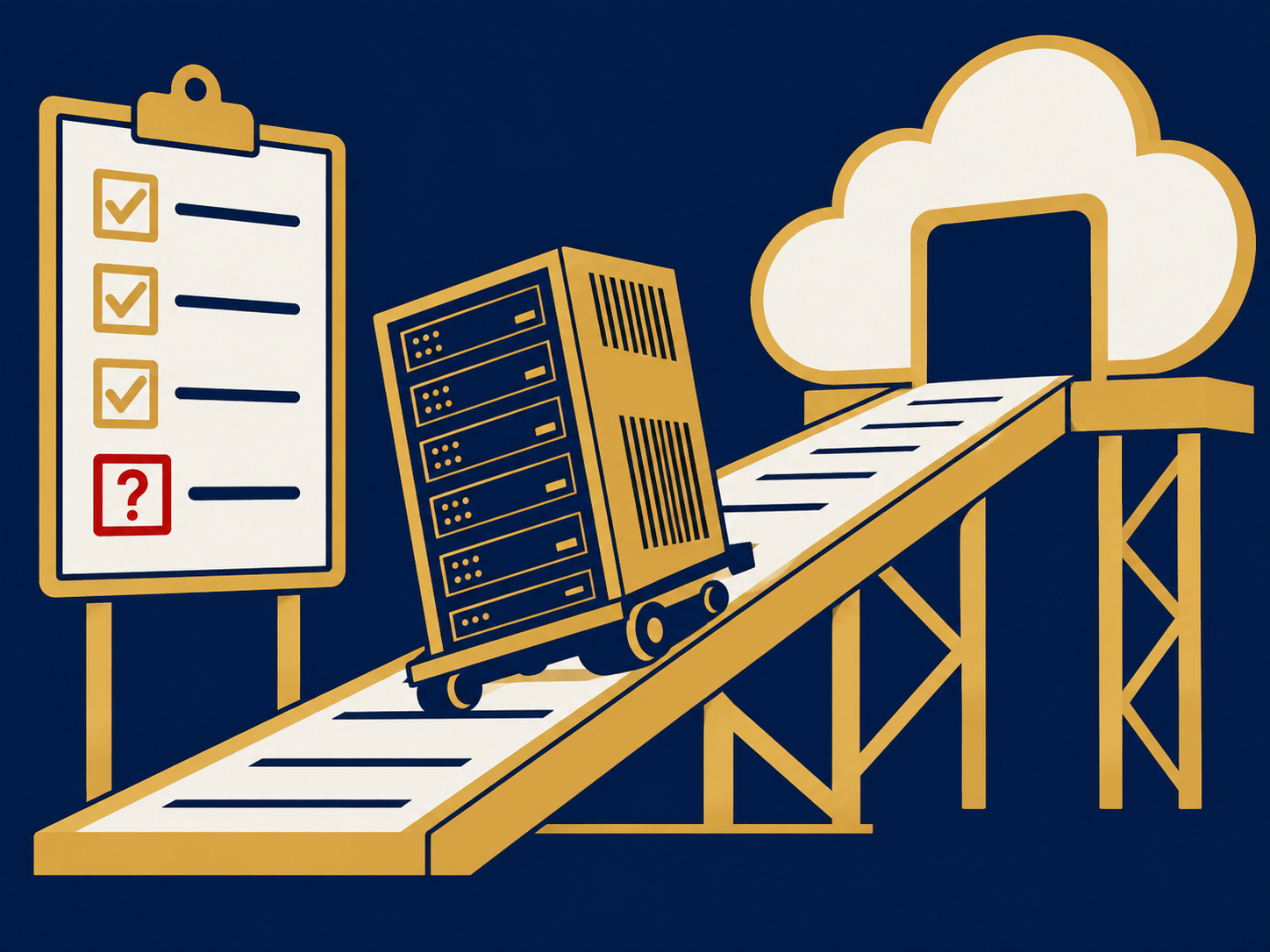
Cloud security starts with the shared responsibility model, a framework that clarifies who secures what in a cloud environment. In this model, the cloud service provider secures the physical infrastructure, networking, and foundational services you rely on, while you remain accountable for the security of your operating systems, applications, data, and configurations. By recognizing these boundaries from the outset, you reduce gaps that adversaries could exploit and build a defense posture you can defend to stakeholders.
At its core, the shared responsibility model transforms security from a vague obligation into a set of clearly defined tasks. You gain confidence in your compliance posture, and you can articulate exactly which controls you own. That clarity becomes especially valuable when you’re planning audits, justifying budget requests, or responding to an incident.
Comparing Cloud Service Models
Cloud offerings generally fall into three service models—Infrastructure as a Service (IaaS), Platform as a Service (PaaS), and Software as a Service (SaaS)—each shifting security duties between you and your provider:
Security in IaaS
- Provider Responsibility: Physical data centers, networking hardware, virtualization layer
- Your Responsibility: Guest operating systems, middleware, applications, data encryption, firewall rules
Security in PaaS
- Provider Responsibility: Underlying infrastructure, runtime, middleware components
- Your Responsibility: Application code security, data integrity, user access controls
Security in SaaS
- Provider Responsibility: Complete stack from infrastructure through application logic
- Your Responsibility: User authentication, permission management, data classification and retention
Understanding these distinctions helps you avoid the misconception that moving to the cloud eliminates your security obligations. No matter how much the provider manages, you always own the protection of your data and identities.
Spotting Common Pitfalls
Even seasoned teams can stumble when adopting the shared responsibility model. Watch for these traps:
- Misunderstanding Boundaries
Assuming the provider handles tasks that are actually yours, such as patch management or access review, can leave critical gaps. - Overdelegation Errors
Relying too heavily on default security settings without customizing controls to your workflows and compliance needs. - Multi-Party Complexities
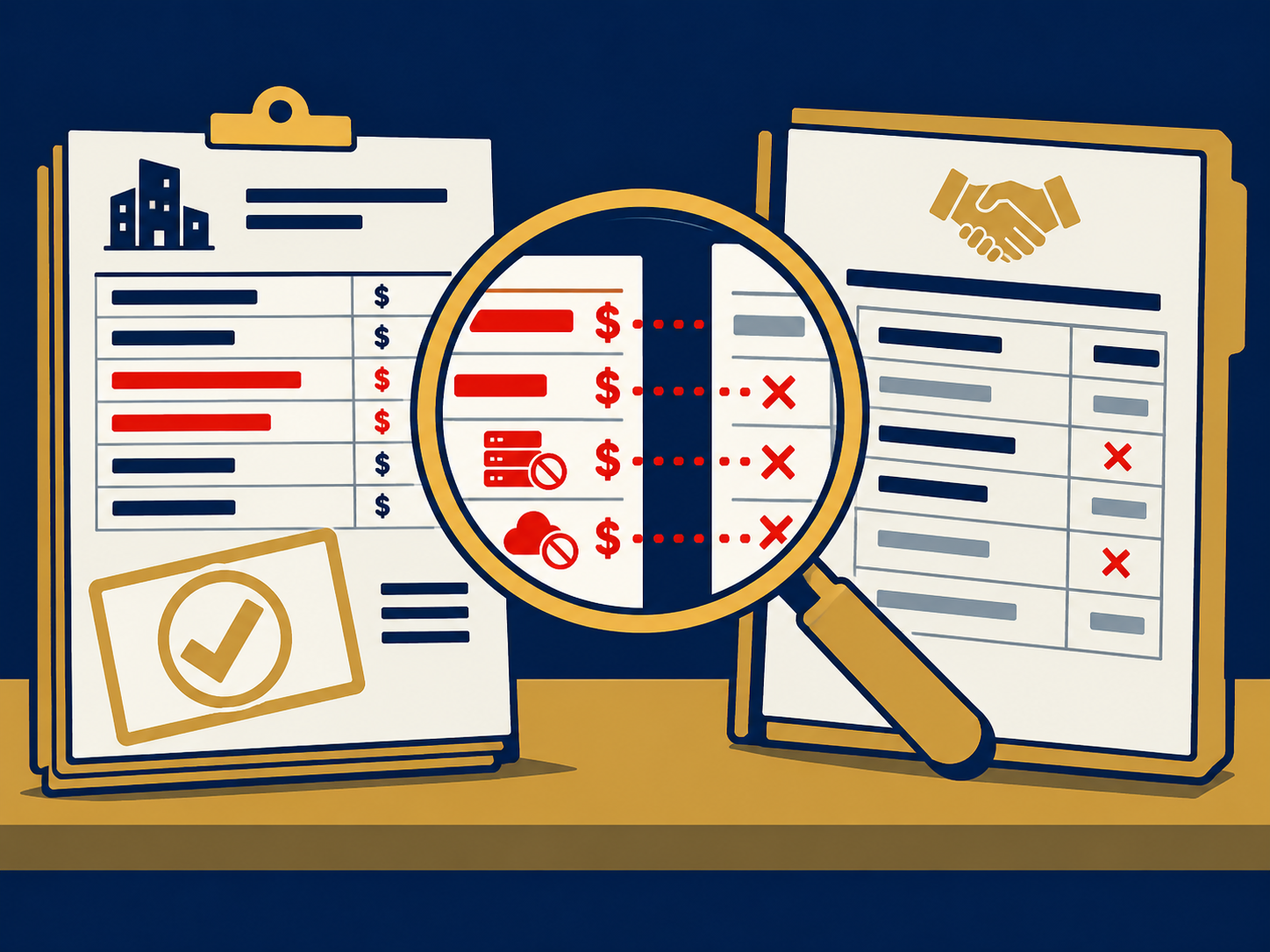
Engaging resellers, managed service providers, or integrators without clear contracts and workflows often creates overlaps or blind spots.
By identifying these pitfalls early, you can tighten your processes and avoid surprises during audits or incident response.
Implementing The Responsibility Model
Putting the shared responsibility model into practice requires deliberate effort across people, processes, and technology:
- Document Roles
Create a responsibility matrix that maps each security control to either your team or the provider. Update it whenever you onboard new services. - Map To Workflows
Integrate responsibility checks into change management and deployment pipelines so that nothing goes live without an owner. - Train Your Teams
Provide regular training on cloud-specific threats and secure configuration standards, ensuring that everyone understands which side of the model they serve. - Leverage Native Tools
Use cloud-native offerings such as cloud security posture management (CSPM) and identity and access management monitoring to automate compliance checks and flag deviations.
Improving Visibility And Control
Visibility is the foundation of accountability. Without a clear view of your cloud assets and their configuration, you can’t confirm that responsibilities are being met.
- Inventory And Monitoring
Deploy a data visibility platform to maintain an up-to-date asset register across all accounts and regions. - Automated Alerts
Configure continuous monitoring for configuration drift, privilege escalations, and anomalous activity so you can respond before an incident escalates. - Data Governance Strategies
For robust data security, compare approaches in dspm vs dlp and explore advanced techniques in ai data governance to classify and protect sensitive information.
Building Accountability Measures
Accountability cements the shared responsibility model in your organization’s culture:
- Embed Governance Practices
Align your cloud security program with established governance risk and compliance frameworks to ensure executive oversight and clear risk tolerances. - Conduct Regular Audits
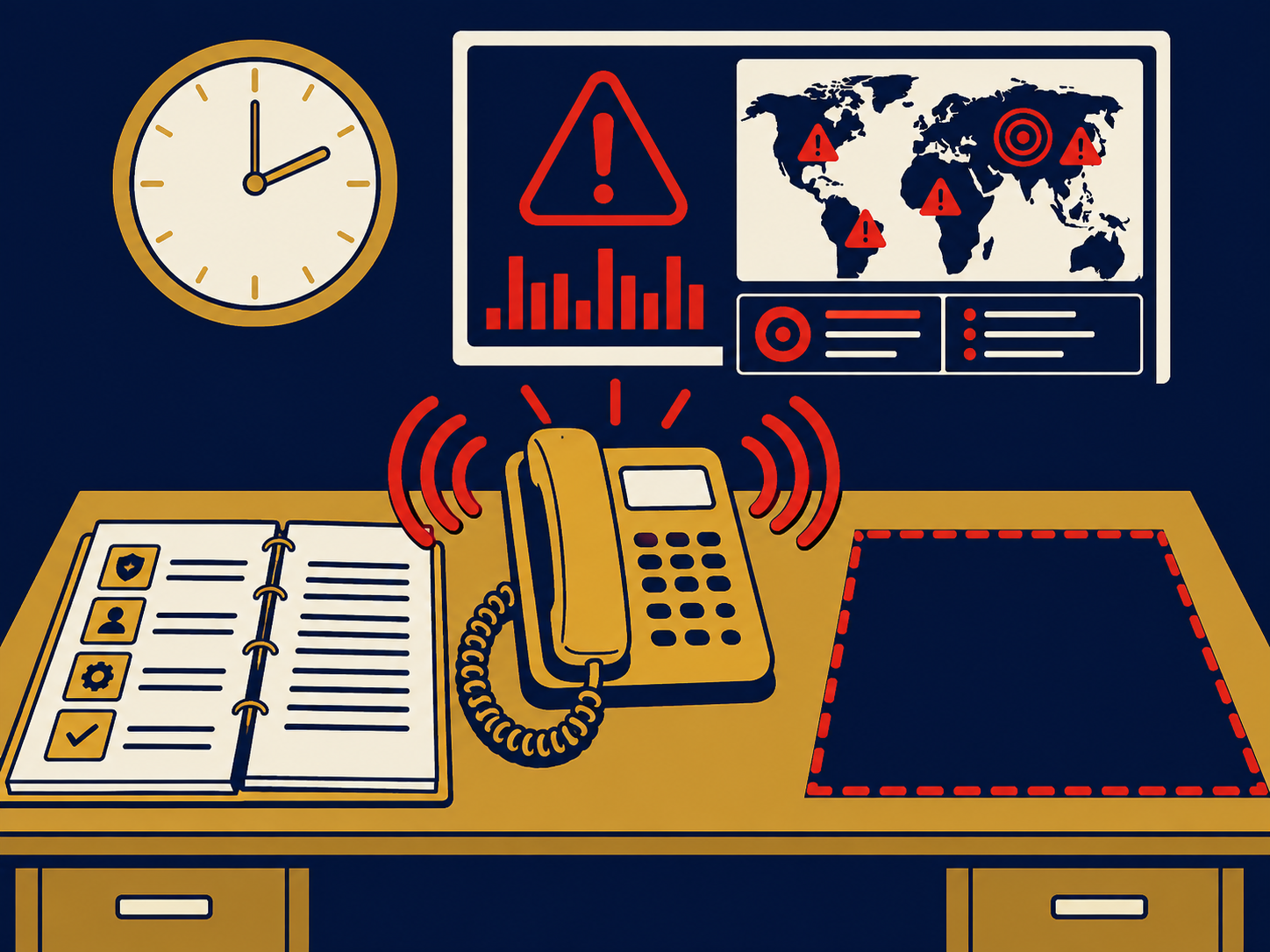
Schedule periodic reviews of your responsibility matrix, configuration settings, and access logs to validate that each party fulfills its duties. - Define Escalation Paths
Document how control failures are reported, escalated, and remediated so nothing falls through the cracks.
Tracking Security Outcomes
Measuring impact moves security from activity to results. Focus on metrics that matter:
- Patch Compliance Rate
Percentage of instances with up-to-date security patches within defined SLAs. - Time To Detect And Respond
Average time between an alert and confirmed remediation action. - Configuration Drift Incidents
Frequency of deviations from approved baselines and how quickly they’re resolved.
Use these indicators to drive continuous improvement, refine responsibilities, and demonstrate ROI to stakeholders.
Wrapping Up Key Takeaways
The shared responsibility model isn’t a one-time checklist; it’s an ongoing partnership between you and your cloud provider. By clearly defining roles, embedding them into workflows, and maintaining visibility, you can transform cloud security from a set of assumptions into a predictable, defensible program. Accountability, automation, and measurement tie it all together, giving you the confidence to scale with minimal friction.
Need Help With Shared Responsibility?
Are you struggling to define or defend your shared responsibility model? We help you clarify roles, select the right cloud security controls, and align your team around a sustainable strategy. Our experts guide you through documentation, tool selection, and process integration so you can move forward with confidence. Talk to us today to build a cloud security program you can stand behind.