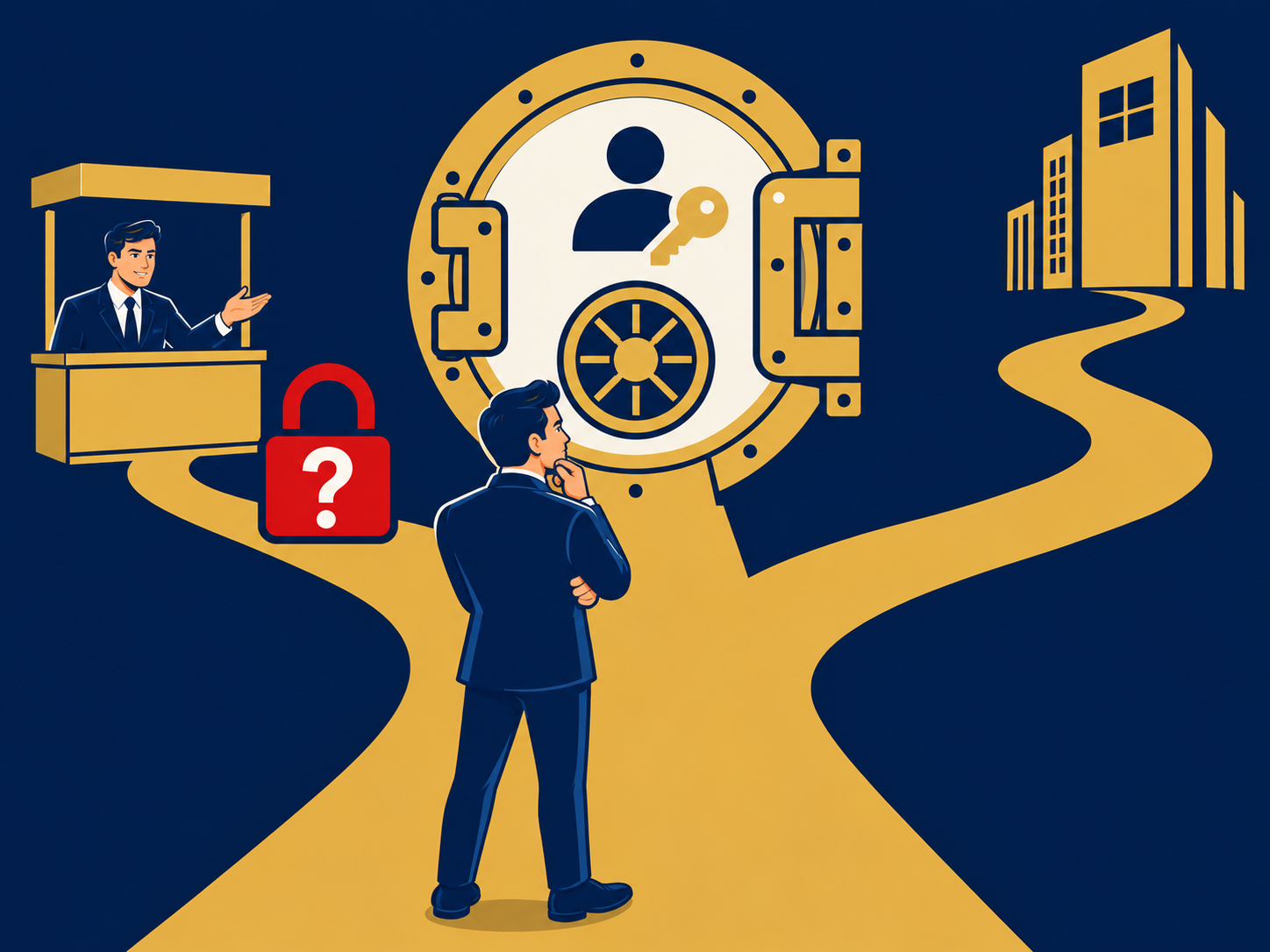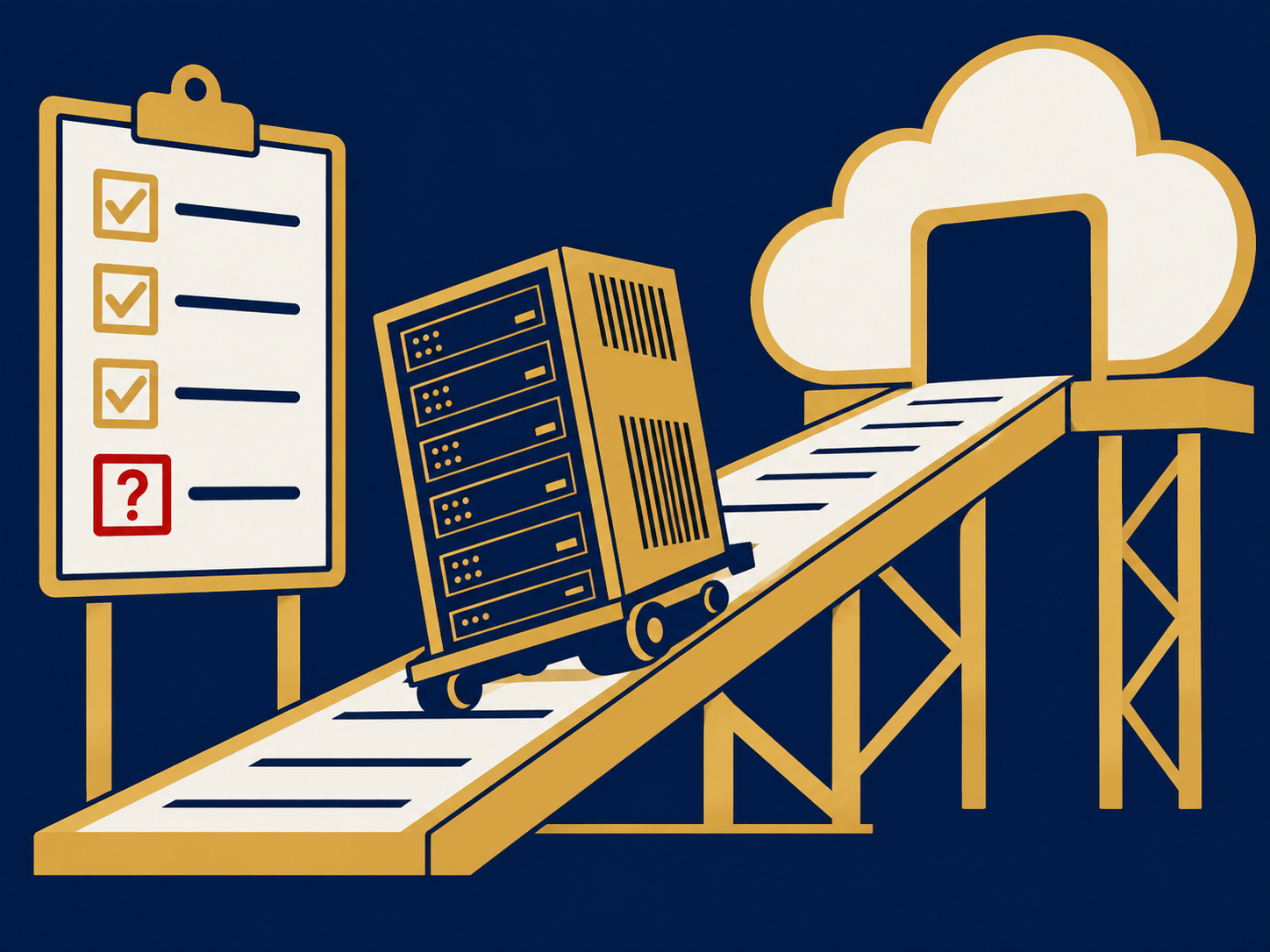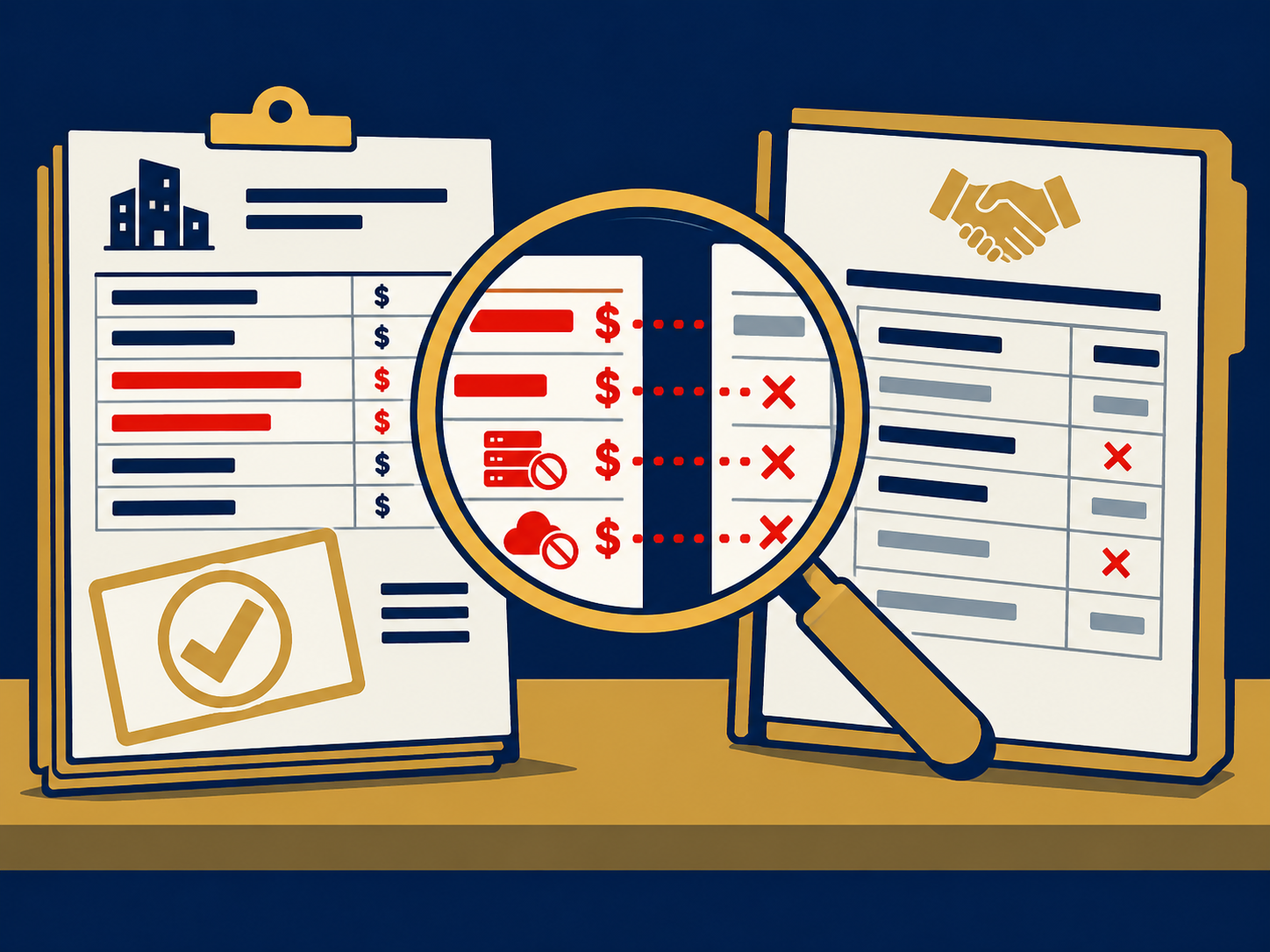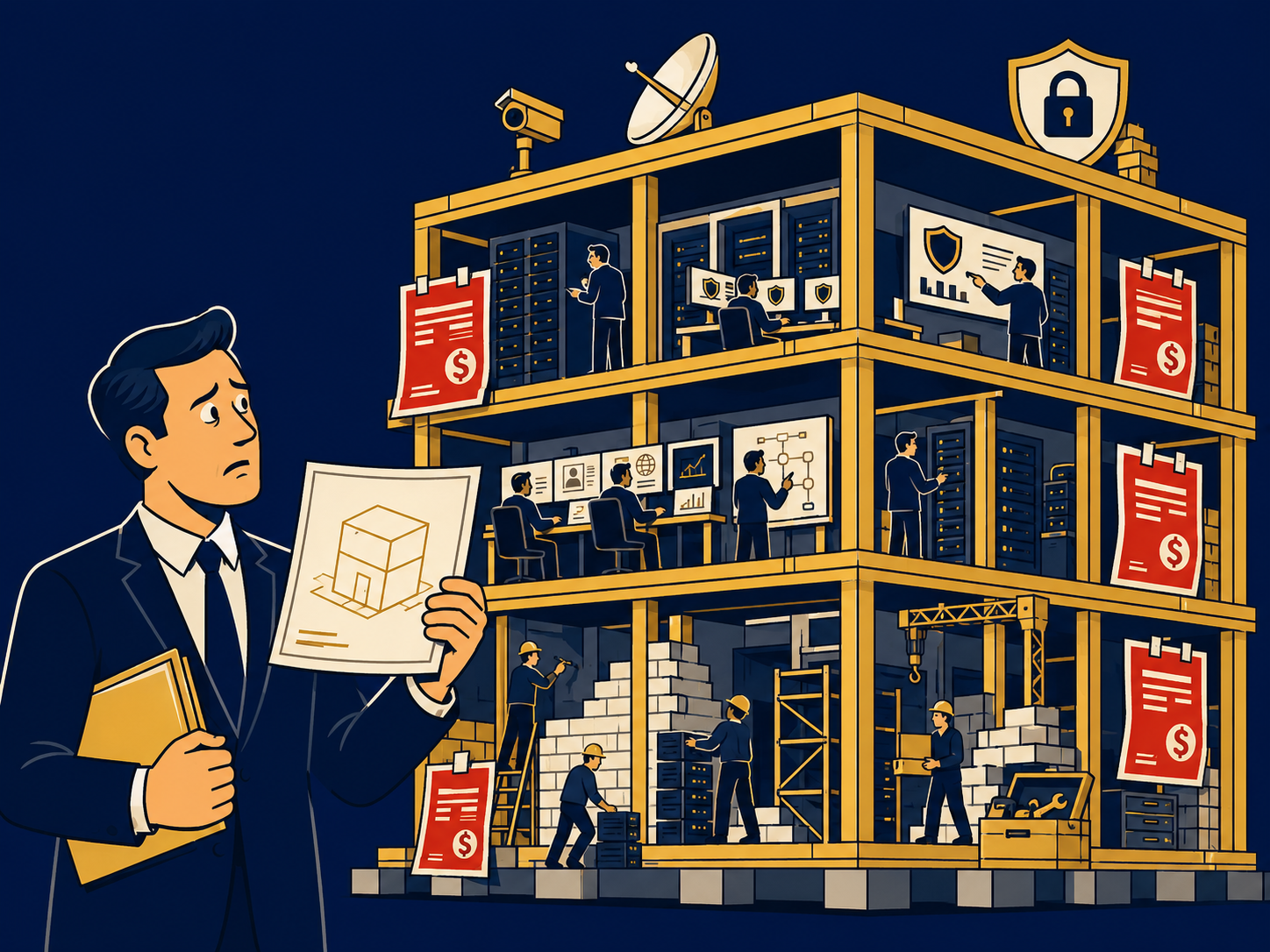
Digital buyers have learned to treat vendor demos with healthy skepticism. You know the pattern. A polished presenter clicks through a pristine environment, highlights a few impressive features, then assures you that everything else will be "easy to configure later."
Your vendor demo checklist is supposed to protect you from that. If it only verifies what vendors want you to see, it will not tell you how the MDR service behaves when it actually matters.
This list is about the opposite. It is a vendor demo checklist focused on the situations MDR providers would prefer you did not test. If you can get clear, specific answers to these, you are much closer to an MDR choice you can defend.
1. Test How They Respond When Alerts Pile Up
Most MDR demos showcase fast response in a controlled scenario with one or two alerts. Your risk lives in the opposite conditions, when alerts spike and your team is already under pressure.
Ask the vendor to walk through a high volume alert scenario, not just a single incident. Have them show you, live if possible, how their analysts prioritize, suppress noise, and keep you informed when multiple endpoints or identities are compromised at once.
The key questions are simple. When everything is on fire, how do they decide what to touch first, and how fast do you know what is happening.
What to ask and see
- "Show us a day when one customer saw a major spike in alerts. How many alerts were triggered, how many were investigated by humans, and what did communication to the customer look like in real time."
- "Walk us through an example where an incident spanned endpoints, identity, and cloud. Who owned coordination on your side and how did you keep the customer from chasing different stories."
- "What are your internal SLAs for triage and escalation during peak load and what happens if you miss them."
You are trying to understand capacity, not just capability. Any MDR can demo one clean incident. You want to see how they behave when ten arrive in an hour.
2. Test Detection On Your Actual Environment
Many providers prefer to demo in a sandbox that bears little resemblance to your environment. That helps the performance story, but it hides the reality of coverage gaps, blind spots, and tuning workload.
You want your vendor demo checklist to include at least one scenario that uses your own technologies, even if some of it has to be simulated or walked through at a high level.
Ask for examples that match your stack. That might mean a hybrid cloud, specific EDR tools, legacy systems that cannot run agents, or OT environments that do not behave like standard endpoints.
What to ask and see
- "Show us exactly how you integrate with our existing EDR, SIEM, and identity stack. We want to see roles, permissions, and data flow, not just a slide."
- "Walk through a detection where the initial signal came from our kind of environment, for example an older server that cannot run your preferred agent. How did you notice it and what telemetry did you actually use."
- "List the data sources you will rely on for our environment. For each one, clarify whether it is required, recommended, or optional, and what we lose if we skip it."
This is also a strong moment to bring in your thinking from mdr vs in-house security. If you already know your current stack's strengths and weaknesses, you can push harder on how the MDR fills those specific gaps rather than accepting vague assurances.
3. Test What Happens When Communication Fails
Most demos show smooth, confident communication. In practice, incident response is messy. People miss calls, tickets sit unacknowledged, and status updates get lost between teams.
A robust vendor demo checklist should insist on walking through failure modes. Not because you expect them to fail often, but because you need clarity on what happens when they do.
The question is not only "how do you contact us" but "what happens when your first choice fails and time is critical."
What to ask and see
- "Show us your playbook for when you cannot reach our primary incident contact within the defined SLA. How many attempts, through which channels, and when do you escalate to alternates."
- "Walk us through the exact sequence of notifications during a critical incident, from the first detection through containment, eradication, and closure."
- "Give us a redacted example where communications did not go as planned. What broke, what did you change, and what would you do differently now."
What you are really testing is operational discipline. You want to know that when stress is high, your MDR partner has more than one way to keep you informed and aligned.
4. Test How They Handle Ambiguity And False Positives
In a demo, detection logic usually looks crisp. In production, your MDR will live in the gray area between "clearly malicious" and "probably fine." That gray area drives user frustration, operational noise, and trust in the service.
Your vendor demo checklist should pressure test how the provider approaches false positives, ambiguous behavior, and business acceptance of security controls.
You need to know who decides what is "acceptable risk" when the answer is not obvious.
What to ask and see
- "Show us a real case where you adjusted your detection rules because of repeated false positives for a customer. What did you change, who had to agree, and how long did it take."
- "Walk through an example where a detection was technically suspicious but business critical. How did you balance security risk against operational impact."
- "What is your process for tuning detections in the first 90 days and how much of that work lands on our team."
False positives are not just a technical problem. They are a governance and change management problem. If the provider cannot articulate how they align detection tuning with your business priorities, you will absorb more friction than value.
5. Test Incident Ownership And Handoffs
MDR vendors like to promise "end to end coverage." In reality, ownership often hops between your team and theirs, especially if you maintain some in-house capabilities or a broader SOC.
If your vendor demo checklist does not explicitly address who owns what, you will end up with incidents that fall between seats.
What you need is not a generic RACI chart. You need to see how ownership behaves in real time.
What to ask and see
- "Show us an incident where responsibility shifted between your team and the customer's internal team multiple times. Who made those decisions and how did you keep a single source of truth."
- "Walk through how you coordinate with our change management and ticketing systems, including who opens, updates, and closes tickets for different classes of events."
- "When you require us to perform an action such as isolating a host you cannot reach, how do you track that dependency and keep the incident moving."
If you already suspect ownership is a sensitive area, it can be useful to review your current pain points from vendor selection mistakes before the demo. That way you can ask targeted follow ups instead of accepting high level reassurances.
6. Test Response Actions And Rollback
It is easy to demo a detection. It is harder to demo a full response, especially when response involves business disruption, deep technical changes, or coordination with third parties.
Your vendor demo checklist should push providers to show more than a "we would open a ticket" answer. You want to understand exactly which actions they can take on your behalf and how they minimize collateral damage.
Equally important, you want to see how they handle rollback when a response action has unintended side effects.
What to ask and see
- "List the response actions you can perform autonomously, those that require our approval, and those you cannot perform at all. Show us where these are configured and audited."
- "Walk us through a real incident where a containment action caused business impact, for example isolating a critical server. How did you communicate, mitigate, and roll back."
- "Explain how you test new automated playbooks before they touch our production environment."
This is where you clarify the difference between "we detect" and "we actually help you recover." MDR that ends at alerting shifts the hardest work back to your team, which may not be acceptable given your staffing and risk posture.
7. Test Integration Friction And Hidden Work
In many demos, integration looks like a few clicks and an API key. The hidden reality is often weeks of back and forth on permissions, data ingestion issues, and unexpected configuration work.
Your vendor demo checklist should bring this to the surface before you commit.
You want concrete stories about implementation complexity for environments that look like yours, not generic "typical go live time" slides.
What to ask and see
- "Describe a recent onboarding project for a customer with a similar size and stack to ours. How long did it take from contract to full operations and what slowed it down."
- "Show us the default onboarding plan you would use for us, including milestones, who does what, and what happens if we are short on internal resources."
- "Which integrations require our security team to create or manage custom scripts, connectors, or feeds and how do you support that ongoing."
This is where clarity about managed detection and response in general can help. If a provider expects heavy lifting from your side, that might still be acceptable, but only if you can plan for it and secure the necessary support.
8. Test Reporting, Metrics, And Executive Storytelling
Vendors are comfortable showing a live dashboard full of colorful charts. That does not guarantee you will have what you need when the CFO asks, "What value are we getting for this spend" or when the board wants proof of improved security posture.
Your vendor demo checklist should include specific expectations about reporting. The goal is not more graphs. The goal is being able to explain impact in plain language that leadership can support.
You want to see both operational reporting and higher level summaries that align with your risk and compliance priorities.
What to ask and see
- "Show us the exact reports our executives and board are likely to see in months three, six, and twelve. Walk us through how to explain them in business terms."
- "Demonstrate how we can track trends like mean time to detect, mean time to respond, and reduction in manual investigations over time."
- "Give an example of a customer using your reports to justify renewals or expansions. What story did the data help them tell."
This is also a good place to confirm how quickly you can access data when you have your own questions. If every custom view requires a support ticket, you will feel the friction later.
9. Test How They Learn From Past Incidents
A strong MDR partner does not only respond. It learns and improves with every incident, both yours and those across its customer base.
In demos, continuous improvement is often reduced to a single bullet on a slide. Your vendor demo checklist should treat it as a core capability.
You want to know how they capture lessons learned, how those turn into concrete changes, and how you benefit from incidents that happen to other customers.
What to ask and see
- "Show us an example of a new detection or playbook that was developed because of a specific customer incident. How long did it take to roll out to all customers who needed it."
- "Walk through your process for post incident reviews. Who participates, what is documented, and what commitments you make to the customer."
- "How do you handle situations where an incident reveals that your original scope, assumptions, or coverage were insufficient."
This is where you test for humility and transparency. The best providers can clearly explain where they were surprised and what they changed as a result.
10. Test What Happens When The Relationship Ends
This is the part most vendors hope you will skip. Offboarding is awkward and easy to postpone. It is also where you protect your data, your continuity, and your ability to meet audit and compliance requirements.
Your vendor demo checklist should bring offboarding into the initial conversation, not as a sign of distrust, but as a sign that you are thinking about the full lifecycle of the relationship.
You want to know how you will extract your data, how long you will have access after termination, and what happens to your logs and case history.
What to ask and see
- "Describe your standard offboarding process. How long do we retain access, what data can we export, and in what formats."
- "Show us the level of detail available in exported incident histories. Could we reasonably reconstruct a timeline for a regulator without your platform."
- "What commitments do you make about data deletion and certification after the contract ends."
If a provider struggles to answer these questions clearly, you should expect friction later, especially if you are in a regulated industry or subject to frequent audits.
How To Turn This Into A Practical Demo Plan
It is easy for a vendor demo checklist to become theoretical. Long lists of questions tend to shrink once you are in the room and the clock is running.
You can keep this practical by turning these ten "things vendors do not want tested" into a short, explicit agenda that you share before the demo. For example:
- One high alert volume scenario using a real past incident.
- One scenario that mirrors your environment and current stack.
- A walk through of communication failures and escalation paths.
- At least one example each for false positive tuning, ownership handoff, response rollback, and offboarding.
You are sending a clear signal. You are not trying to trip them up. You are trying to see how the relationship works when reality does not match the script.
A good MDR partner will welcome this level of scrutiny because it creates alignment upfront and reduces surprises later.
Need Help Turning This Checklist Into A Decision?
We help organizations use vendor demos to make decisions they can defend, not just to confirm what they already want to buy. For managed detection and response, that usually means clarifying what outcomes you expect, what constraints you cannot ignore, and where you need the provider to carry more of the load.
If you want support designing your vendor demo checklist, interpreting what you see, or comparing MDR against your current model, we can help you frame the decision and narrow your options. Talk to us about the MDR coverage you need and the trade offs you are willing to make so your next demo moves you closer to a choice you trust.