The Vendor's Policy Change Is Solving Their Problem, Not Yours
June 16, 2026

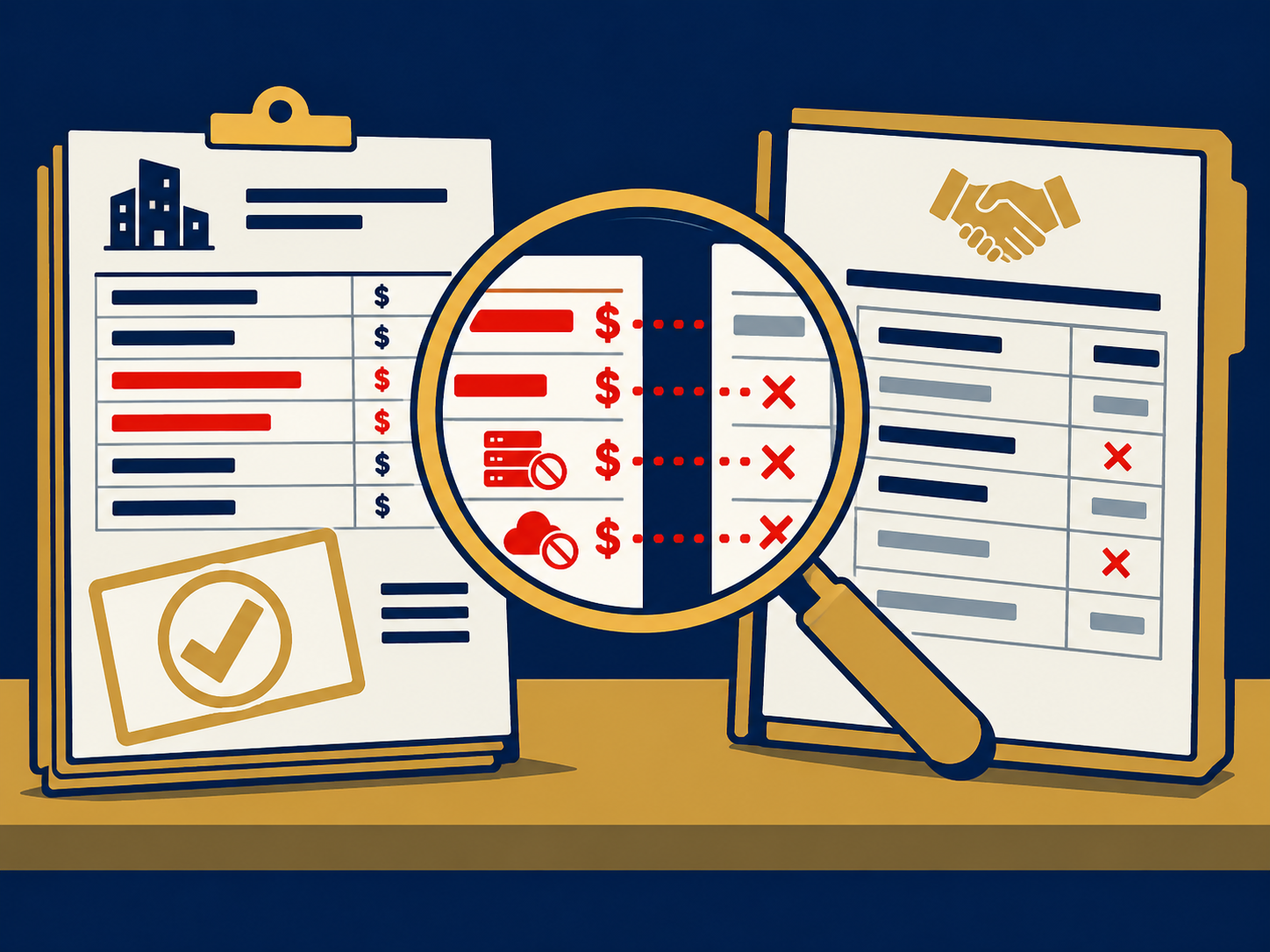
Vendors aren’t lying when they announce a policy change. But if you evaluate it on the terms they’ve described, you’re not looking at the part where the money moves.
When a vendor announces a policy update — simplified pricing, streamlined support tiers, an updated contract structure — the announcement is almost always accurate. The pricing often is simpler. The support workflow often does improve operationally. The new contract probably is cleaner to read.
None of that is the question. The question is: what does this cost you that the old version didn’t?
“Improved for Whom?”
Every vendor policy change solves a problem. The announcement tells you what problem it solves for you. What it doesn’t tell you is what problem it solves for them — and that’s the version that actually drove the decision.
“Simplified” pricing tiers almost always mean the vendor is retiring a plan that worked in your favor. Grandfathered pricing. Legacy SKUs. Bundles that no longer fit their economics. The simplification is real. So is the revenue recovery.
“Streamlined” support means support costs were running too high relative to the revenue they protect. Fewer tiers, longer response windows, more self-service — these get announced as customer experience improvements. They’re margin improvements.
“Updated contract terms” are the most direct version. Auto-renewal windows shrink. Price escalation clauses shift from fixed to index-based. Termination provisions tighten. The definition of what counts as billable usage quietly expands.
You’ve seen this before. Microsoft’s licensing restructures have repeatedly moved customers off pricing models that had become favorable to buyers. VMware’s post-acquisition shift to subscriptions removed perpetual licensing as an option entirely. In both cases, the public reason was simplification or modernization. The actual reason was improving the vendor’s economics.
When a vendor tells you something has been improved, the right question is: improved for whom?
How to Evaluate the Change Before You Sign
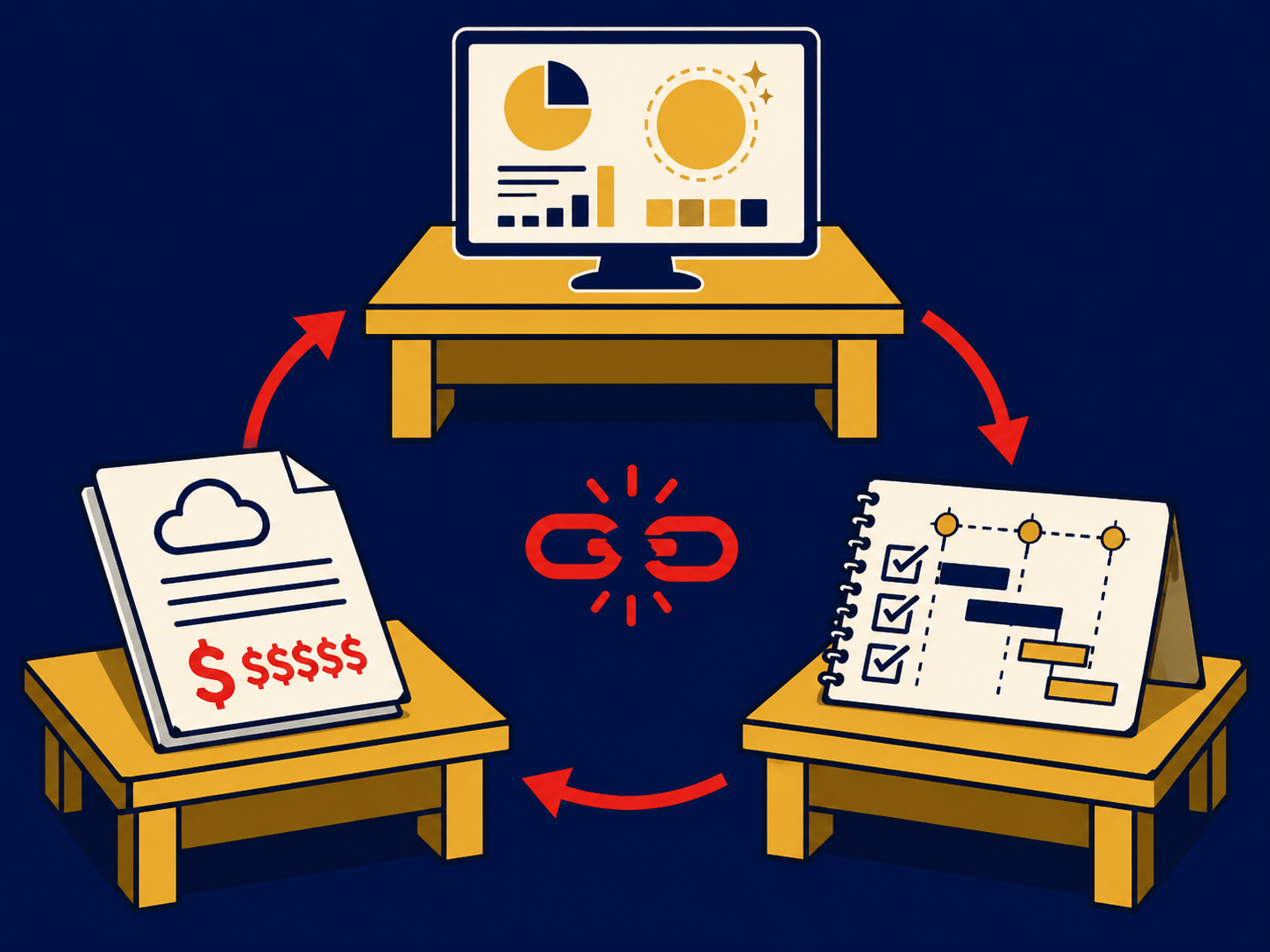
Most reviews focus on what the new terms say. The more useful question is what the new terms do — specifically, whether they increase your cost, reduce your leverage, raise your risk, or make it harder to leave.
Cost. Run the new pricing against your actual usage — not the vendor’s example scenarios. Simplified pricing often lowers the headline number while raising the total. The line-item price drops, but the overage rates, the support tier needed to keep your current SLA, or the minimum commitment goes up. Model it against what you actually use before assuming the change is neutral.
Leverage. Look at what the new structure takes away. A shorter renewal window gives you less time to run a competitive process. Bundled SKUs make it harder to price components separately. A multi-year minimum removes your annual decision point. Less grandfathering removes your option to just stay where you are. Each of these moves negotiating power from you to them.
Risk. Compare the SLA commitments in the new terms against the old ones — response times, escalation paths, support access by tier, breach notification timelines. These changes are often buried in updated terms that go straight to legal for signature without anyone comparing them line by line against what they replace.
Switching cost. Look at what the new terms make harder to undo — data export rights, larger commitments, tighter termination language, deeper dependencies on the vendor’s ecosystem. A policy change that makes it harder to leave isn’t a product improvement. It’s a retention mechanism.
One more question that changes everything: does this apply automatically, or only at renewal? Some vendor changes only take effect when you renew. Others apply to your current agreement on a set date. If it’s the latter, you need to understand your options now — not at your next renewal cycle.
If You’re in a Regulated Industry
If a policy change touches data retention, audit logging, encryption standards, backups, breach notification, subcontractor terms, or support access — route it to security and compliance review before signing, regardless of how minor it seems. A support tier reduction or a change to subprocessor terms can create compliance exposure that has nothing to do with the price.
What This Means at Renewal
A policy change that lands near your renewal date isn’t a coincidence. The vendor picked that moment because it’s when you have the least leverage and the least time.
Here’s what actually happens inside most organizations when a “standard update” arrives: it gets forwarded to legal, legal confirms the contract is enforceable, and it gets signed. Nobody asks whether the terms are negotiable because nobody framed it as a negotiation. The vendor did.
That’s the trick. A renewal is a negotiation. A “policy update” is paperwork. Vendors know which one gets pushback and which one gets signed without a meeting.
Your legal team will tell you, correctly, that the terms are enforceable and the risk is acceptable. What they won’t tell you because it’s not what they’re set up to know — is that three other companies your size pushed back on the same clause last quarter and got it removed.
That’s the gap. Not legal risk. Market information.
If a renewal or policy change is what’s in front of you right now, this is where to start — it covers what’s actually at stake and what independent representation changes about the outcome.
The Independent Read
You don’t know if the three companies that pushed back were bluffing, had more leverage, or just got lucky with timing. Neither does your legal team. We do — because we’re in these conversations across dozens of renewals in the same category, every quarter.
When we review a deal, we’re not checking whether the contract is enforceable. We’re checking it against what we’ve already seen this quarter from vendors running the same playbook.
We already know the floor. The vendor’s opening position at renewal is not it.
If something on the table doesn’t look right — or a policy change just landed and you haven’t had time to evaluate it — Get Started. No pitch. No prep. Just answers.