Layoff Announcements and Vendor Price Increases Are Built the Same Way. Here's How to Read Both.

In March 2026, roughly one in four layoff announcements cited AI as the reason. Most of those companies had no real AI capability behind the claim. The reason was chosen because it works — it turns a financial decision into a story about technical progress, and that’s a much easier story to tell than “we missed our margin targets.”
Your vendor’s last price increase had a reason too. So did the support tier change. So did the “strategic shift in our offering” buried in the renewal paperwork. That reason was also chosen because it works on you.
That parallel is worth understanding before your next renewal — and then setting aside, because the real question is what you do about it.
The Pattern Behind Every Announcement
Whether it’s a company cutting headcount or a vendor restructuring pricing, the announcement follows the same shape. The stated reason is real enough to defend. It connects to something the reader already believes or worries about. And it turns the conversation from “why are you doing this” into “how do we adapt.”
“Our new pricing better reflects the value we deliver” is harder to argue with than “our margins were too thin on your account.” “We’re consolidating support tiers to improve your experience” is harder to argue with than “support was costing us money.” “This requires our new AI tier” is harder to argue with than “we need more revenue from existing customers.”
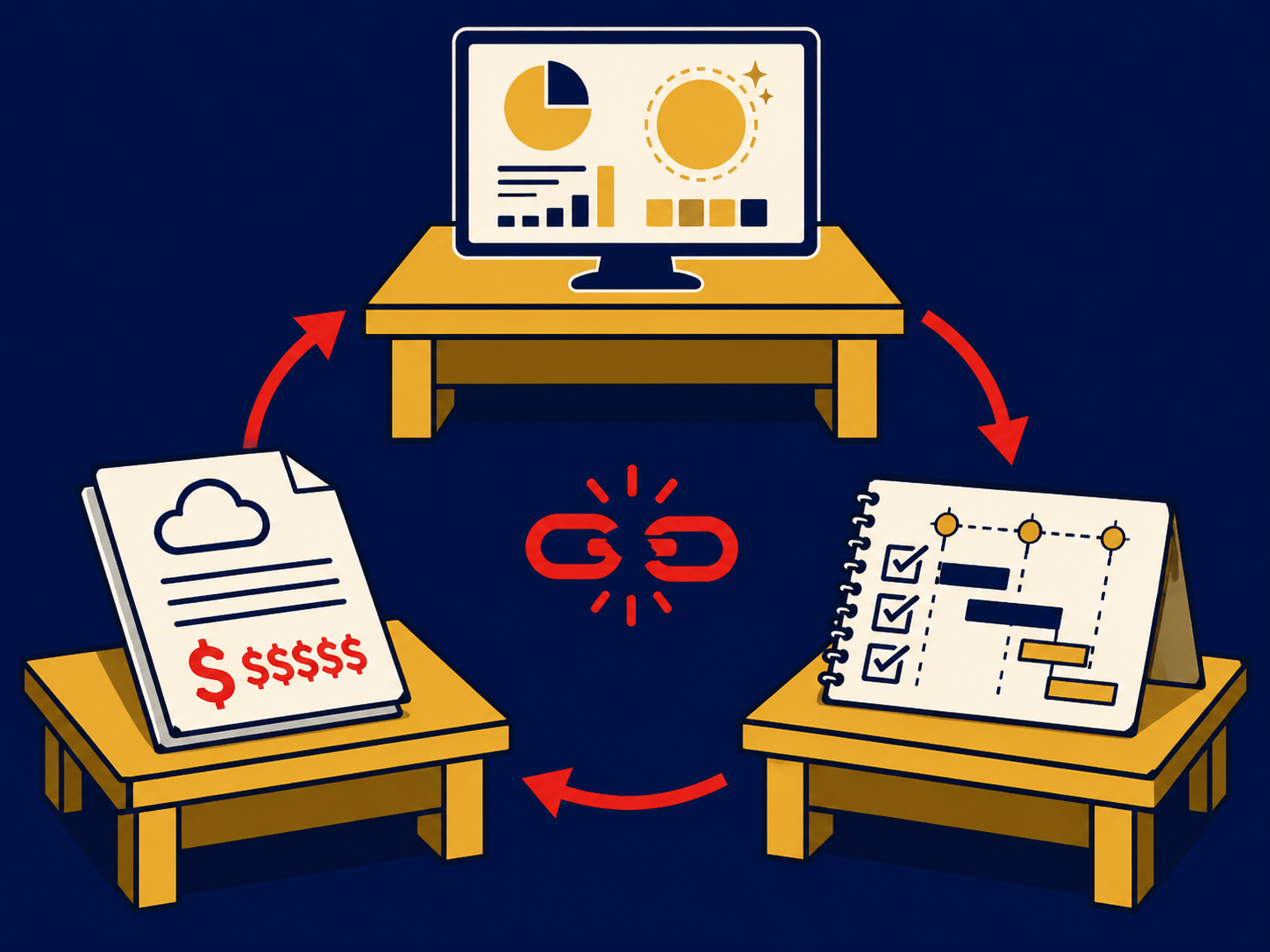
The stated reason can be true and still not be the reason. Vendor decisions are usually driven by several things at once — costs, margins, roadmap, market pressure. The issue isn’t that the reason is fake. It’s that it’s not what actually drove the decision, or the timing of it. Once you stop evaluating the explanation and start asking what problem it solves for them, renewal conversations look different.
Vendor Announcements Worth a Second Look
A few patterns are worth slowing down for before you respond.
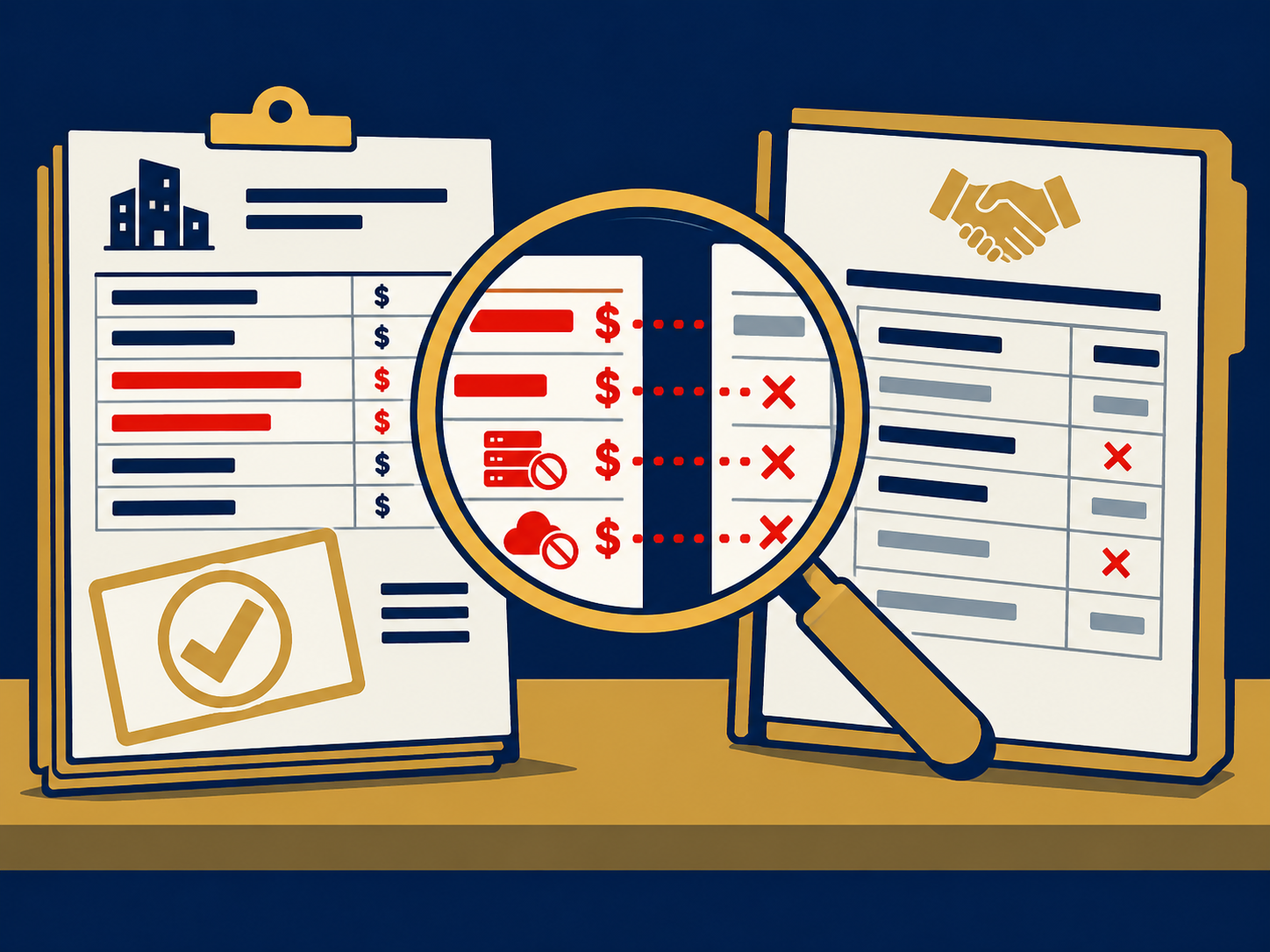
A mandatory migration tied to a licensing change usually means the old plan was underpriced and they need you on something with better margins. AI features bundled into a new tier often means they’re charging you for capability you may already have. Support tier consolidation is framed as a customer experience improvement, but it’s usually a cost problem first. A SKU retired right before your renewal removes your option to stay where you are. A compliance-driven upsell is worth checking against whether the actual regulation changed. And a new platform fee that wasn’t in your original contract is, almost always, a revenue decision wearing an infrastructure-cost label.
None of this means refuse the conversation. It means walk in knowing what the change actually does before you respond to the reason you’ve been given.
The Questions Vendors Don’t Expect
Most buyers respond to a price increase by arguing with the reason — is the AI investment real, does inflation justify this, is the consolidation necessary. That’s the debate the vendor prepared for.
The questions that actually shift a renewal are the ones they didn’t prepare for.
If a vendor raises prices, ask how many other customers accepted the increase as written. That turns the conversation from “is this justified” into “is this negotiable” — which is the question that matters.
If a vendor points to AI investment as the reason, ask what’s measurably different in your product today versus twelve months ago. Not the roadmap. Not the positioning. What’s actually shipped and usable right now.
If a vendor retires a tier or SKU, ask how many customers are still on it. If it’s a lot, this isn’t a natural sunset — it’s a forcing function.
And no matter what reason you’re given, three questions apply every time: what changed on your side that justifies paying more, what changed in the product that you can verify rather than take on faith, and what are comparable companies actually paying for the same thing. The first two put the vendor on the back foot fairly. The third is the one most buyers can’t answer — because they don’t have the data.
Where Your Negotiating Position Actually Comes From
Walking into a renewal ready to debate the vendor’s reason is the wrong preparation. The right preparation is knowing what comparable companies are actually paying for the same service, and on what terms.
A 12% increase “due to inflation” means nothing once you know other buyers your size signed at 4%, or held flat. A new AI tier “required” by their investment means nothing once you know that same vendor is discounting that tier by 30% for new customers this quarter. The stated reason anchors the conversation. Knowing what others actually pay breaks that anchor.
We already know the floor. The real question isn’t whether the vendor’s reason makes sense — it’s how far their opening number is from what comparable buyers, with the same features and scale, have actually signed. That gap is usually bigger than the stated reason would suggest.
If a renewal is in front of you and the numbers don’t add up, this is where to start — before you respond to their framing with a counter built on their terms.
Same Document, Different Audience
The vendor’s team writes renewal proposals every quarter. You see one — yours — maybe once a year.
That’s the actual imbalance. Not the reason they gave you. The fact that they’ve done this hundreds of times and you’re doing it once.
You don’t need to out-argue the reason. You need to know what the deal actually looks like compared to everyone else’s.
We’ll tell you if this deal is actually competitive. Get Started. No pitch. No prep. Just answers.