In today’s hospitality and education markets, a 911 system audit is critical to ensuring your emergency call infrastructure performs when it matters most. You rely on seamless location transmission, reliable communication channels, and clear public awareness of features like silent call options to protect guests, students, and staff. Without a structured 911 system review, you risk service gaps that can delay response times, invite regulatory scrutiny, and undermine trust in your incident response plans. When you compare a 911 system audit to broader incident response practices, it’s clear that targeted reviews help you detect blind spots early and defend your strategy to stakeholders. In this article, you’ll learn how to:
- Assess audit objectives and align leadership
- Review technical infrastructure from analog upgrades to backup power
- Evaluate public education efforts around silent call features
- Verify compliance with FCC reliability rules and outage protocols
- Test workflows through drills and failure simulations
- Address risks unique to hotels and schools
- Plan an ongoing audit cadence that drives continuous improvement
Let’s dive into the steps that help you conduct a comprehensive 911 system audit before it’s too late.
Assess Audit Objectives
Define Scope And Goals
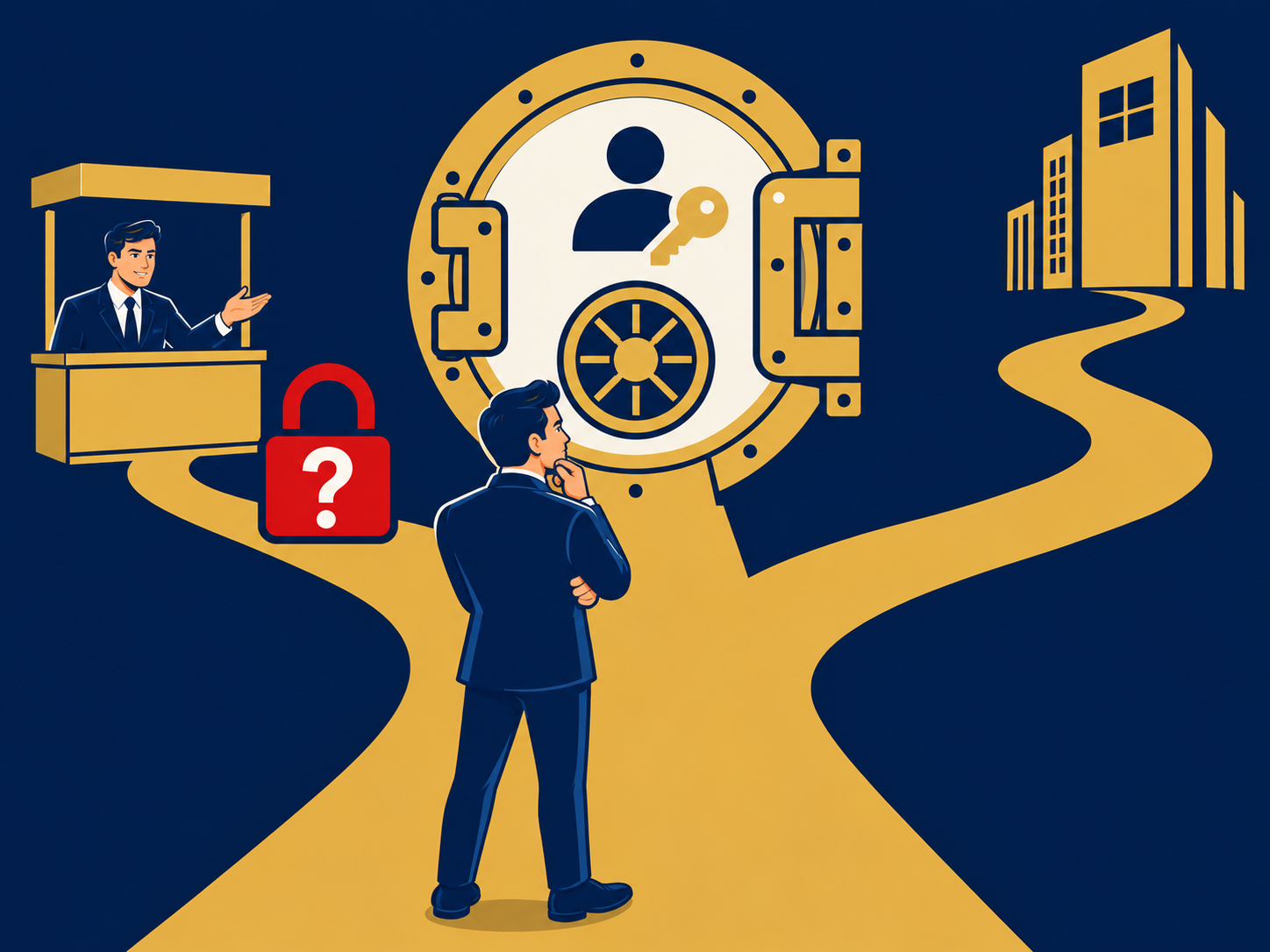
Begin your 911 system audit by clarifying what you want to achieve. Are you focusing on technical reliability, public awareness, or end-to-end incident workflows? Defining scope up front helps you allocate resources effectively and prevents audit drift. For example, you might set goals such as:
- Verifying that all emergency calls transmit accurate location data
- Ensuring 100% of covered calls meet FCC reliability standards
- Measuring staff proficiency in handling silent call situations
Document these objectives in plain language so that leadership can validate and support the effort.
Identify Stakeholders
Successful audits depend on cross-functional collaboration. Identify the teams and roles that must be involved:
- IT operations and network engineering
- Facilities and power management
- Health and safety or campus security
- Training and communications
- Executive sponsors from hospitality or education leadership
Clear role assignments reduce confusion during the audit and streamline follow-up actions. When every stakeholder understands business outcomes, decisions become easier to defend and accelerate.
Review Technical Infrastructure
Upgrade Analog To Digital
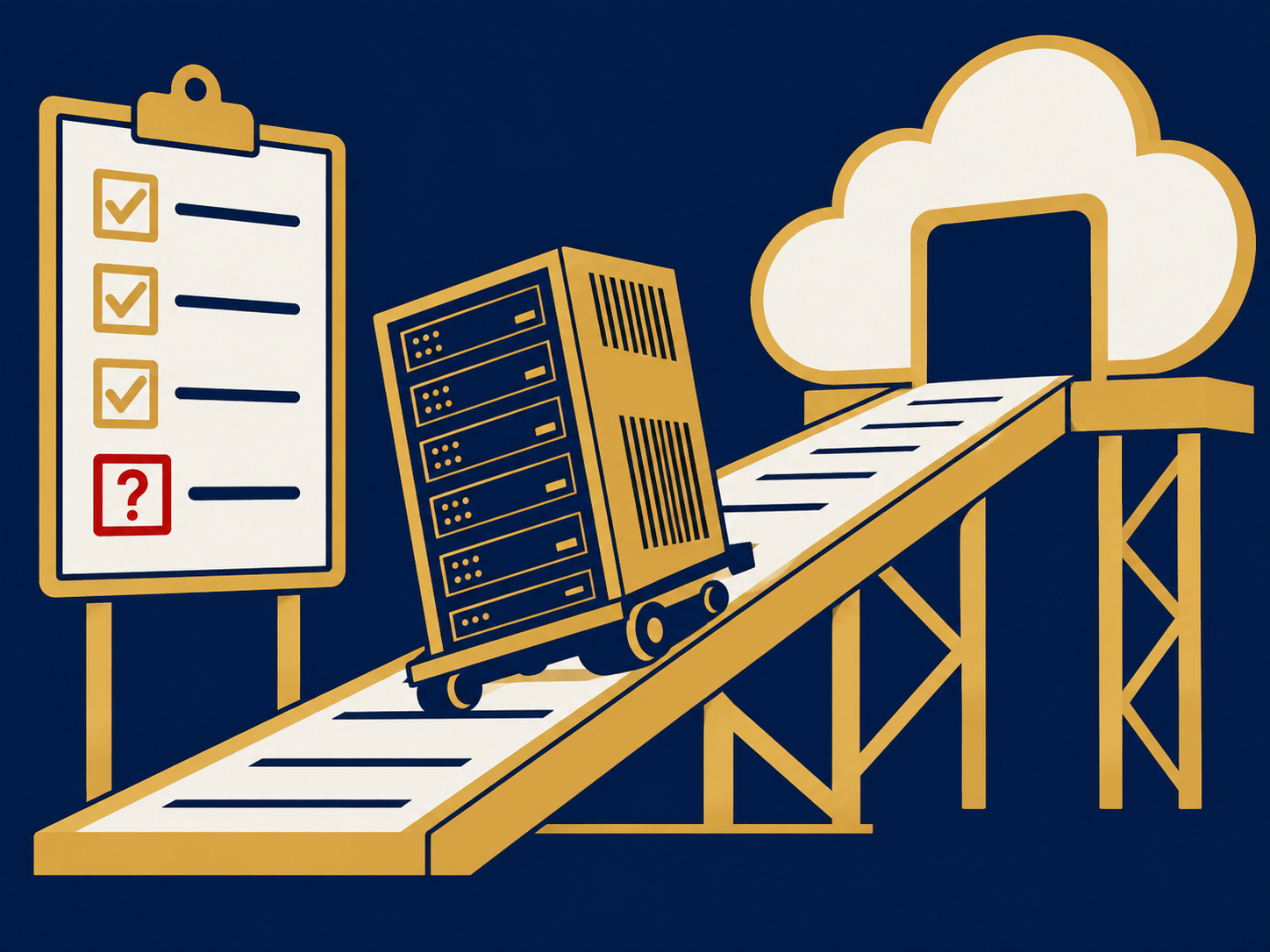
If your 911 call paths still rely on analog switches or legacy trunks, upgrade to a digital platform that natively supports cellphones, VoIP, and advanced location services. A digital system reduces the risk of missing wireless caller data and integrates more easily with network-monitoring tools.
Ensure Circuit Diversity
The FCC mandates that covered 911 service providers implement circuit diversity to minimize single points of failure. Even if you outsource call aggregation, confirm that your provider submits annual certifications and maintains redundant paths into your call center.
Confirm Backup Power And Monitoring
Battery backups and generators are not enough if they aren’t tested regularly. Verify that your central offices, sub-centers, and transition points have:
- Dual power sources with automatic failover
- Test logs demonstrating battery capacity under load
- Network monitoring that alerts you to performance degradations before they become failures
These controls help you meet FCC reliability measures and defend uptime during boardroom reviews.
Evaluate Public Education
Distribute Educational Materials
Awareness of features like the silent call option often hinges on proactive materials. Ensure you regularly provide brochures, phone stickers, and digital guides explaining:
- How to place a silent call in dangerous situations
- What information 911 receives when callers cannot speak
- Steps to follow after a silent call is connected
A performance audit of the Massachusetts State 911 Department (2017–2019) found gaps in public education for the silent call feature. Your audit should validate that similar materials are in wide circulation to mitigate those risks.
Partner With Municipal Programs
Your local authorities often run public safety campaigns better suited for community-level outreach. Coordinate with municipal emergency management to:
- Share digital assets that explain silent call usage
- Host webinars or training sessions for hotel staff and school administrators
- Leverage free resources to update residents and campus communities
Joint efforts strengthen your education program and reinforce trust with first responders.
Verify Compliance Requirements
Understand FCC Reliability Rules
Wireless, wireline, and interconnected VoIP providers must complete all 911 calls and transmit caller location data per FCC rules. Covered providers also certify annually that they have:
- Circuit diversity
- Central office backup power
- Network monitoring and alarms
Review FCC guidelines to confirm your providers are both compliant and timely in their certifications.
Certify Wireless And VoIP Services
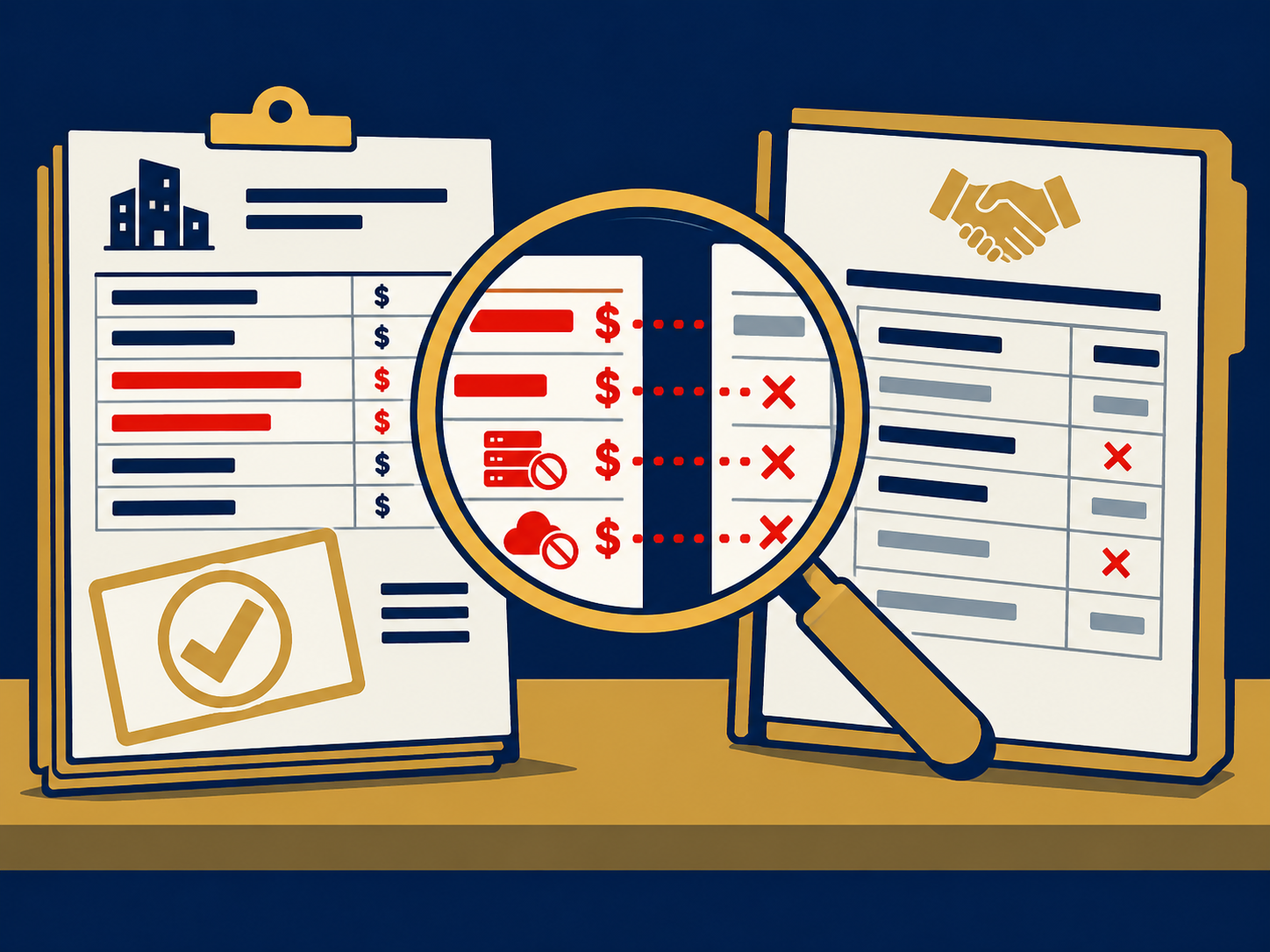
If your properties rely on hosted VoIP or third-party aggregators, request proof of the latest FCC certifications. Document:
- Provider names and certification dates
- Details of reliability measures implemented in the last year
- Contact points for outage notifications
Maintaining an audit trail helps you demonstrate due diligence during inspections or incident reviews.
Implement Outage Notifications
Regulations require providers to notify designated officials at affected 911 facilities as soon as possible about any outage that might impact service. Your audit should check that:
- You have up-to-date contact lists for each provider
- Notification protocols are documented and tested
- You receive timely, actionable information during incidents
Failing to receive or act on outage alerts can delay incident response and escalate operational risk.
Test Emergency Workflows
Conduct Live Drills
Simulated 911 calls during live drills validate end-to-end processes. Coordinate with internal teams and local PSAPs (Public Safety Answering Points) to:
- Place silent and verbal calls
- Measure call setup times and location accuracy
- Observe dispatcher interactions
Drills identify process gaps, training needs, and technical issues before real emergencies occur.
Simulate System Failures
Beyond drills, introduce controlled failures to stress your infrastructure:
- Disconnect a primary circuit and verify failover
- Trigger battery-backup switchover under load
- Disable network monitoring to test alert mechanisms
These simulations confirm that redundancies work and that teams respond swiftly to alerts.
Assess Staff Readiness
Your audit should evaluate whether staff understand protocols and communication channels. Use checklists to score proficiency in:
- Recognizing and reporting 911 system issues
- Guiding guests or students through silent call usage
- Escalating technical faults to the correct teams
Tracking these metrics helps you target training and reinforce accountability.
Address Industry-Specific Risks
Hospitality Considerations
Hotels face unique challenges when guests are unfamiliar with local emergency features. In addition to your hotel 911 compliance program:
- Review in-room signage and digital concierge platforms for clear emergency instructions
- Train front-desk staff on verifying location details during calls
- Audit integration between in-house PBX and municipal PSAP data feeds
Clear, consistent messaging and robust infrastructure safeguard both guests and your brand reputation.
Education Challenges
Campus environments introduce scale and population density factors. For primary, secondary, and higher-ed institutions:
- Check your school 911 compliance measures against evolving state regulations
- Incorporate lessons from recent campus 911 failure cases to refine emergency plans
- Ensure building-level dispatch information is up to date in your call-taking system
Educational settings demand coordination across security, IT, and academic leadership to keep students and staff safe.
Plan Ongoing Audits
Establish Audit Cadence
One-off reviews quickly become outdated. Define how often you’ll conduct full 911 system audits—annually or biannually—based on risk profiles and regulatory changes. Tie this schedule to budgeting and resource planning to avoid surprises.
Monitor Key Metrics
Track performance indicators that matter most:
- Location accuracy rates for wireless calls
- Mean time to failover during power or network events
- Number of staff training sessions completed per quarter
Dashboards that visualize these metrics help you spot trends and pivot before issues escalate.
Report Findings To Leadership
Audit reports should link technical details back to business outcomes. Present what matters to executives:
- Compliance status and audit scorecards
- Risk reduction achieved through recent upgrades
- Training completion rates and readiness scores
When leaders see how 911 system improvements drive operational resilience, they’re more likely to support ongoing investments.
Summarize Key Takeaways
A thorough 911 system audit aligns your emergency communication strategy with industry regulations, technical best practices, and public safety goals. By defining clear objectives, rigorously reviewing infrastructure, evaluating education efforts, and testing workflows, you reduce unexpected outages and protect lives. Tailor your audit to hospitality and education contexts, and plan recurring reviews to maintain readiness as technology and regulations evolve.
Need Help With 911 System Audit?
Are you looking to strengthen your emergency response framework through a comprehensive 911 system audit? We specialize in helping organizations across hospitality and education sectors define audit scopes, vet technical providers, and streamline compliance processes. Our experts assess your unique operational needs, align stakeholders around measurable goals, and guide you to solutions that deliver both reliability and clarity. Let us partner with you to build a more resilient approach to emergency communications. Contact us today to get started.