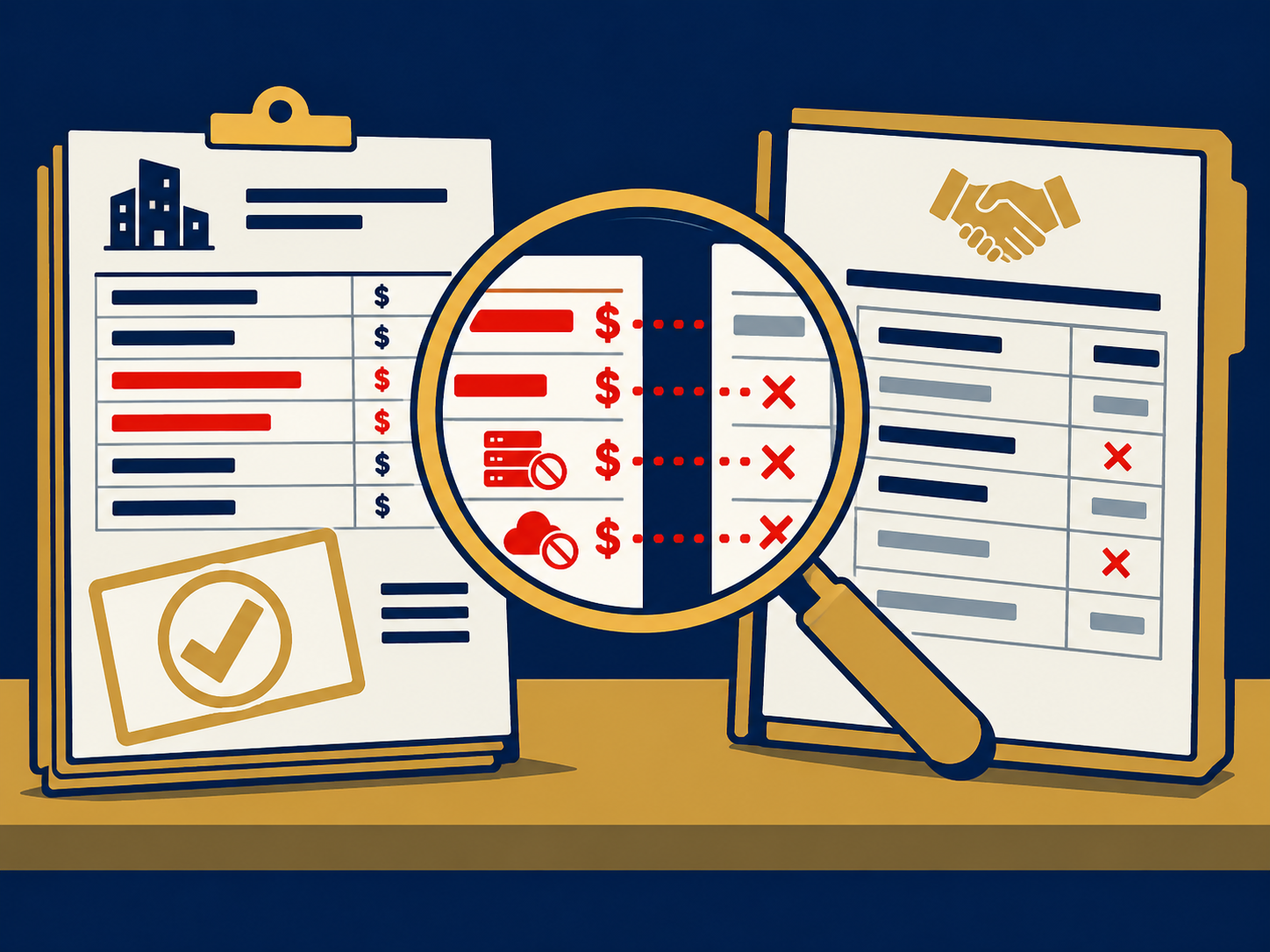
Understanding Hotel 911 Compliance
As a B2B IT decision-maker in hospitality, you know that safeguarding guests extends far beyond lobby security or surveillance cameras. When guests encounter an emergency, their first instinct is often to pick up the room phone and dial 911. Hotel 911 compliance refers to your obligation under federal law to configure multi-line telephone systems (MLTS) so calls connect directly to emergency services and responders can pinpoint callers’ locations. This requirement is a cornerstone of your duty of care. Failure to comply can lead to substantial fines, civil litigation, reputational damage, and, most critically, risk to human life. Given that millions of travelers check into hotels across North America every day, each property must treat 911 compliance as an integral part of its risk management strategy. In this guide, we’ll demystify the requirements set by Kari’s Law and the RAY BAUM’S Act, walk you through auditing and upgrading your infrastructure, and offer practical steps to integrate these capabilities into your broader incident response program. Let’s start with the foundational rules governing how your MLTS should behave in an emergency.
Kari’s Law Requirements
Kari’s Law, named after Kari Hunt who tragically could not reach 911 due to dialing restrictions, went into effect on February 16, 2020. Under this law, any MLTS you install or upgrade must allow users to dial 911 directly without entering a prefix such as 9 or 0. In addition to direct dialing, your system must:
- Send an automatic notification to a designated point—front desk, security office, or monitoring center—whenever someone dials 911.
- Include the caller’s extension or room number and the callback number in every alert, ensuring responders know exactly which room needs assistance.
- Maintain logs of all 911 calls and notifications for audit and compliance evidence.
Non-compliance can trigger fines of up to $10,000 for an initial violation and up to $500 per day thereafter until the issue is rectified. Best practices include coordinating test calls with your local PSAP, updating MLTS programming, and documenting all changes to demonstrate due diligence.
RAY BAUM’S Act Requirements
Section 506 of the RAY BAUM’S Act builds on Kari’s Law by requiring dispatchable location information to accompany every 911 call. The key deadlines were January 6, 2021 for fixed devices (hardwired phones) and January 6, 2022 for non-fixed devices (VoIP phones, soft clients, mobile extensions). Your MLTS must transmit:
- A validated street address with ZIP code.
- Building number or name, if applicable.
- Floor, wing, or section identifiers.
- Room or suite numbers.
If the PSAP does not receive complete dispatchable location data, calls may be flagged as “E911 incomplete,” delaying response. To comply, integrate your MLTS with your property management system (PMS) or building management system (BMS) so that room assignments flow into the phone system in real time. Coordinate tests with your telecom provider and PSAP, and maintain detailed logs of test results.
Grandfathered Phone Systems
Any MLTS installed or leased on or before February 16, 2020 is grandfathered and not immediately subject to Kari’s Law or the RAY BAUM’S Act unless you perform a major upgrade or replacement. That said, relying on legacy systems carries risk:
- Most pre-2020 PBX systems cannot handle dynamic dispatchable location feeds.
- Firmware updates or feature add-ons may void grandfather status and trigger compliance obligations.
- Documentation of grandfather status can be ambiguous, exposing you to regulatory scrutiny.
Ask your vendor whether your legacy MLTS supports real-time location data, automatic alerts, and callback logging. If not, evaluate middleware solutions that intercept 911 calls, append necessary data, and forward them correctly. These services can serve as a temporary bridge until you can invest in a full modernization project.
Identifying Compliance Gaps
A thorough gap analysis begins with a site survey of all MLTS endpoints—guest rooms, conference rooms, common areas, back-office phones, and kiosks—mapped against your building layout. Key areas to examine include:
- Legacy extensions that still require dialing “9” or “0.”
- Common area phones without room association metadata.
- Disconnected silos between your PMS and MLTS.
- VoIP softphones or mobile apps used by remote or hybrid staff.
- Equipment moved for cleaning or maintenance without updating dispatch tables.
These gaps often mirror challenges seen in education environments. For a school-specific perspective, see school 911 compliance. In higher-education settings, lack of coordination has led to crises like the campus 911 failure. Your objective is to eliminate silos so every call, from any device, carries both direct access and precise location data.
Assessing 911 System Capabilities
Use a structured test plan to validate your MLTS’s 911 performance. Assemble a team of telecom specialists, network engineers, front desk agents, and security personnel. Create a test matrix that tracks:
- Location or extension.
- Phone type (desk phone, softphone, mobile).
- Dialing procedure (direct dial, speed dial, operator-assisted).
- Expected notification route and content.
During controlled tests, coordinate with your PSAP to avoid confusion. For each test call, confirm:
- Direct dialing succeeds without prefix.
- Dispatchable location fields are complete and accurate.
- On-site notifications arrive promptly via email, SMS, or on-screen alerts.
Simulate call drops to test callback procedures and ensure staff can locate disconnected callers. Document results in an audit trail that includes timestamps, PSAP reports, and staff confirmations. This rigorous approach uncovers hidden issues and provides evidence of proactive compliance.
Mitigating Hotel Risks
Once you’ve mapped compliance gaps, develop a risk mitigation plan that aligns with both your operational priorities and budget cycle. Consider a phased strategy:
- Immediate Actions for Critical Gaps
- Enable direct dialing on all guest and staff endpoints.
- Configure primary notification channels (SMS, email, on-screen).
- Medium-Term Solutions
- Migrate analog PBX systems to VoIP MLTS with built-in E911 features.
- Integrate dispatchable location data feeds via PMS or middleware.
- Long-Term Modernization
- Adopt a unified communications platform that supports NG911.
- Implement a real-time compliance dashboard for continuous monitoring.
Engage legal and risk management teams to quantify potential fines and liabilities. If a full MLTS replacement is off-cycle, evaluate third-party 911 routing services to layer compliance onto your existing infrastructure. Update your emergency response playbooks and run tabletop exercises to validate new procedures.
Integrating Incident Response
Emergency dialing is just one piece of your overall incident response (IR) framework. Integrating 911 alerts into your IR system ensures a coordinated approach:
- Automated Ticket Generation: Open an IR ticket for every 911 call.
- Role-Based Notifications: Route alerts to on-call security, engineering, or leadership.
- Multi-Channel Alerts: Use email, SMS, or push notifications from your IR tool.
- Data Correlation: Link dispatchable location info with surveillance or access logs.
By connecting your PSAP alerts to your core incident response workflows, you streamline operational handling and improve post-incident reporting. For clarity on where emergency dialing and IR processes overlap and differ, see 911 vs Incident Response.
Conducting Regular Audits
A sustainable compliance program relies on periodic audits, not one-time checks. Establish an audit cadence that might include:
- Quarterly Spot Checks: Random phone tests and notification verifications.
- Semiannual Comprehensive Audits: Full matrix tests and PSAP coordination.
- Post-Maintenance Reviews: Audits following MLTS upgrades, network changes, or building renovations.
Your audit plan should define:
- Scope: Number of endpoints, device types, notification pathways.
- Procedures: Standard scripts, logging templates, success criteria.
- Remediation Tracking: Issue logs with owners, deadlines, and validation steps.
Share audit findings with executive leadership to maintain visibility into compliance health. For a detailed methodology and checklist, refer to our 911 system audit guide. Trending audit data over time helps justify investments in upgrades and process improvements.
Educating Staff & Stakeholders
Compliance is as much about people as it is about technology. Develop a structured training program that includes:
- Front Desk and Security: How to handle 911 notifications and callback procedures.
- Housekeeping and Maintenance: Guidelines for relocating phones without losing dispatch mappings.
- IT and Network Teams: Processes for system updates and documentation.
Simultaneously, engage your executive team by presenting hotel 911 compliance as critical to guest safety, liability reduction, and brand reputation. Provide concise briefs on:
- Regulatory penalties and legal exposures.
- Potential reputational impact in the social media era.
- Alignment with corporate governance and duty of care obligations.
Illustrate the stakes with case studies like the incident behind Kari’s Law and the high-impact campus 911 failure. When all stakeholders understand the rules and real-world consequences, your compliance initiative gains momentum and sustained support.
Ensuring Ongoing Preparedness
Emergency communications evolve rapidly with the rollout of Next Generation 911 (NG911). To stay prepared:
- Monitor NG911 Deployment: Track FCC announcements and PSAP upgrade schedules in your area.
- Review Vendor Roadmaps: Confirm your MLTS or E911 provider plans for NG911 compatibility.
- Update Policies Annually: Revisit dialing instructions, escalation trees, and system integrations after structural or personnel changes.
- Conduct Scenario Exercises: Simulate power outages, network failures, or PSAP overloads to test redundancy and fallback procedures.
As remote and hybrid staffing models expand, ensure off-premises devices either register accurate dispatchable locations or follow defined fallback protocols. Through ongoing vigilance in technology, process, and training, you will maintain a resilient emergency communications posture.
Conclusion
The hidden 911 risk in hotels is not a single point of failure but the accumulation of small gaps in technology, process, and coordination. Achieving complete hotel 911 compliance requires you to master the nuances of Kari’s Law, embrace the dispatchable location standards of the RAY BAUM’S Act, and rigorously test and document your MLTS environment. Integration with your incident response framework, regular audits, and a culture of readiness transform compliance from a one-off project into a sustainable operational discipline. As NG911 capabilities expand and guest safety standards rise, your commitment to continuous improvement will protect lives, reduce liability, and reinforce your hotel’s reputation for reliability and care.
Need Help With Hotel 911 Compliance?
Are you overwhelmed by the complexity of hotel 911 compliance? We partner with you to assess your current MLTS capabilities, identify gaps, and design remediation plans that balance immediate fixes with long-term modernization. Our experts help you integrate emergency call notifications into your incident response workflows, develop targeted staff training, and establish robust audit frameworks. By leveraging our network of vetted providers and best-in-class solutions, you can focus on delivering exceptional guest experiences while we ensure your property meets and exceeds federal requirements. Contact us today to schedule a readiness review and take the first step toward bulletproof hotel 911 compliance.