911 Readiness Overview
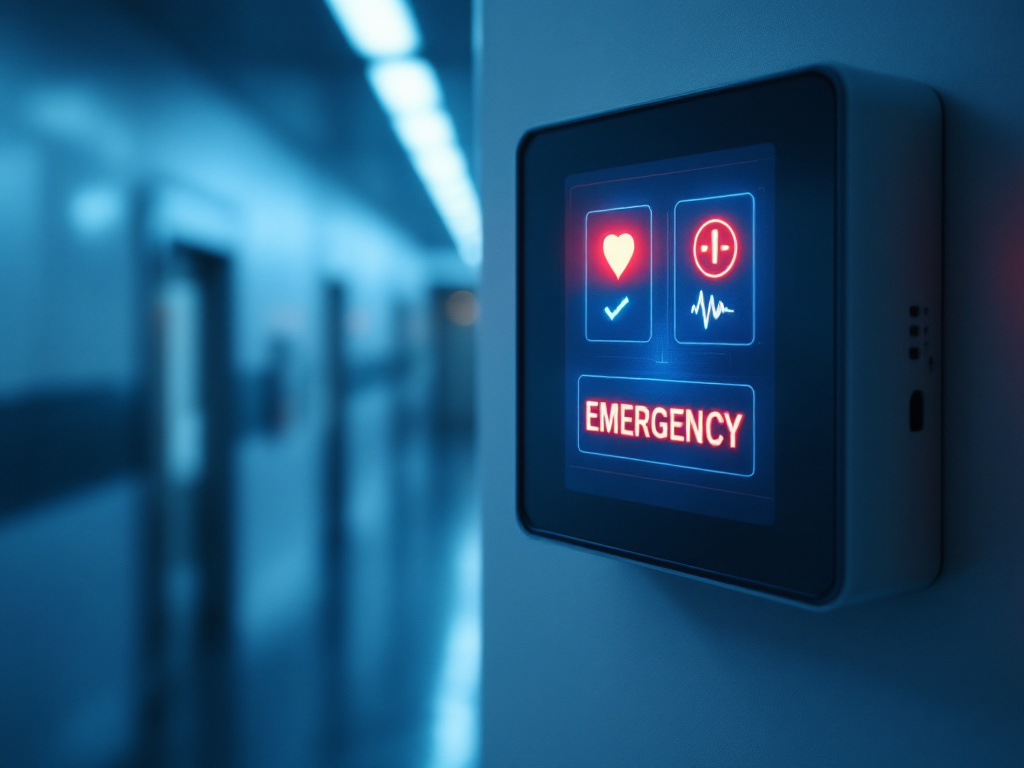
911 Readiness refers to your organization’s ability to manage physical emergencies through a structured call intake and dispatch system. When you weigh 911 vs incident response tools, you’re comparing immediate life-safety mechanisms against cybersecurity processes. In hospitality and education, fast access to medical, fire, or law enforcement support is non-negotiable for guest and student safety.
Key components of 911 Readiness include:
- Centralized Call Intake: Public safety answering points (PSAPs) route incoming calls to appropriate first responders.
- Location Accuracy: Enhanced 911 (E911) provides dispatchers with caller location data, reducing time to arrival.
- Communication Protocols: Telecommunicators follow standardized scripts to guide callers through critical first-aid steps.
- Regulatory Compliance: Hotels must maintain hotel 911 compliance by ensuring direct 911 dialing and location callbacks. Schools rely on school 911 compliance to meet state and federal requirements.
- System Redundancy: Backup power, alternate routing, and regular audits prevent a campus 911 failure that could block all calls.
Laws such as Kari’s Law and the RAY BAUM’S Act govern multi-line telephone systems in hotels and campuses, mandating direct dialing of 911 without a prefix and dispatchable location delivery. Text-to-911 functionality is also emerging as a vital channel for hard-of-hearing callers or situations where voice calls are unsafe. Your readiness program should address these evolving requirements through periodic vulnerability scans, equipment maintenance, and policy reviews.
By establishing clear roles—call center supervisors, IT network engineers, emergency operations coordinators—you create accountability and predictability. Regularly scheduled drills reinforce proper use of jump bags—a centralized kit of critical information and tools—to minimize delays when incidents strike. This combination of technology, process, and training ensures you meet both guest expectations and legal obligations.
Incident Response Tools Overview
Incident response tools are your primary defense against cybersecurity threats, enabling real-time detection, analysis, containment, eradication, and recovery. Unlike the 911 system that coordinates physical emergency services, these solutions focus on protecting digital assets, network integrity, and sensitive data. When you explore incident response tools, you invest in a systematic strategy that addresses threats before they become business disruptions.
Core Capabilities of Incident Response Tools:
- Alert Aggregation: Automatically collect and normalize logs from endpoints, firewalls, and cloud environments to create a unified view of security events.
- Real-Time Correlation: Use machine learning and rule-based engines to identify patterns, reduce false positives, and surface credible threats.
- Playbook Automation: Implement standardized runbooks for common scenarios such as malware containment, credential compromise, or data exfiltration.
- Orchestration Workflows: Coordinate incident tasks across platforms and teams, enforcing escalation policies and notification channels.
- Forensic Data Collection: Capture system images and audit trails in a tamper-proof manner to support internal investigations or regulatory inquiries.
- Post-Incident Reporting: Generate actionable insights and compliance documentation that inform lessons learned and continuous improvement.
A mature incident response program often relies on a Computer Security Incident Response Team (CSIRT)—a cross-functional group of security analysts, network engineers, legal advisors, HR representatives, and external forensic experts when necessary. According to IBM’s 2024 Cost of a Data Breach Report, organizations with a formal incident response plan and dedicated team can reduce the average cost of a breach by approximately $473,706. The SANS Institute’s six-step incident response lifecycle—Preparation, Identification, Containment, Eradication, Recovery, and Lessons Learned—remains the industry standard for structuring your response program.
Advanced platforms integrate endpoint detection and response (EDR), security information and event management (SIEM), and security orchestration, automation, and response (SOAR) within a single console. This unified approach accelerates threat hunting, automates repetitive tasks, and standardizes remediation across diverse environments. Many solutions also incorporate threat intelligence feeds that enrich alerts with context on known indicators of compromise, and compliance dashboards that provide a real-time view of your regulatory posture. According to Fortinet’s 2025 cybersecurity guidance, integrating these capabilities is vital for early threat hunting and ensuring containment steps align with control frameworks.
Runbooks and blameless postmortems are critical for building institutional knowledge. By documenting every action without assigning individual blame, you foster a culture that focuses on systemic improvements. Automated alert delivery based on severity, team availability, and escalation rules further ensures that your on-call rotations trigger the right stakeholders without manual intervention.
Compare Readiness And Tools
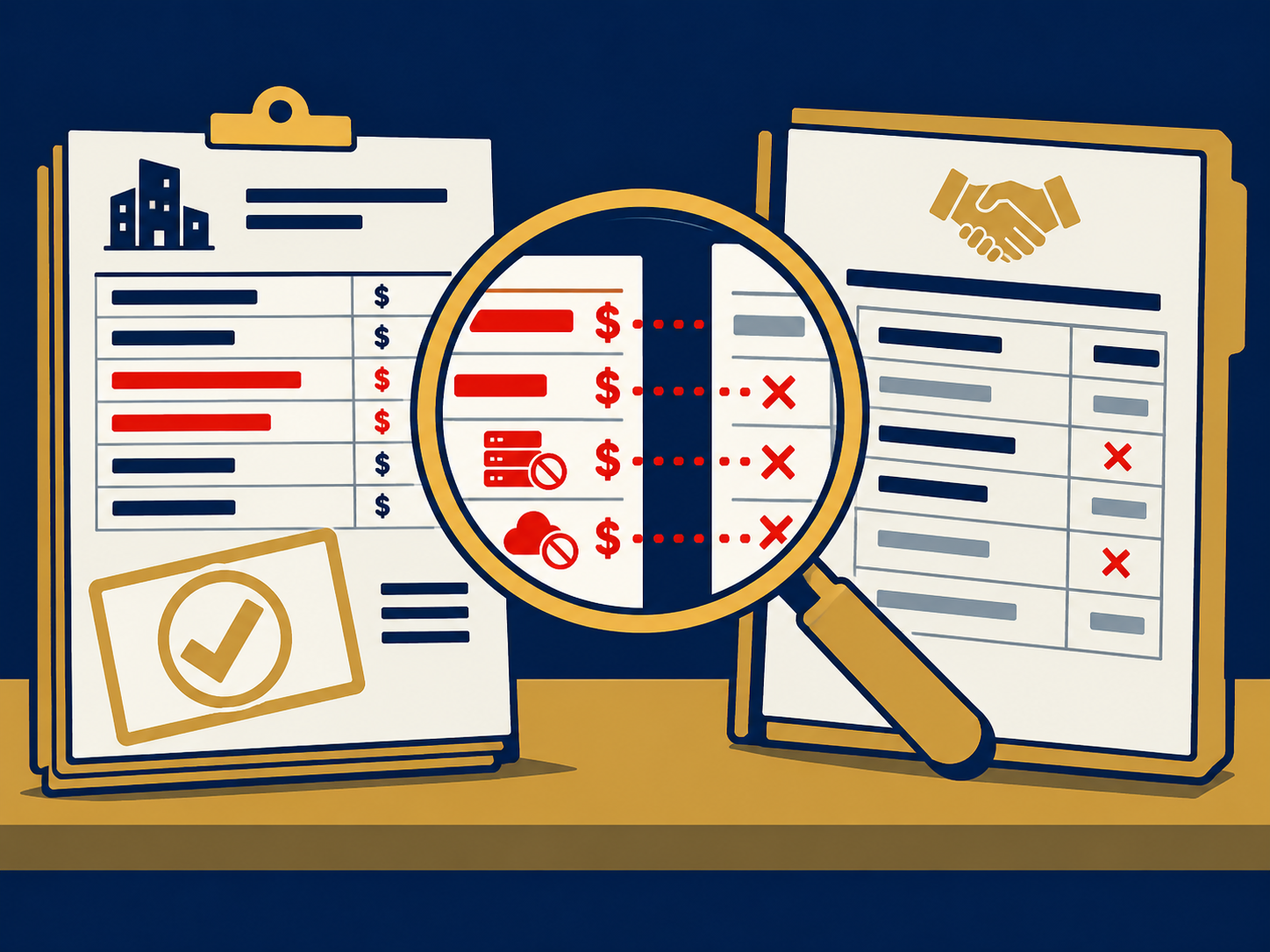
When you compare 911 vs incident response tools, you’ll notice both share the same goal—rapidly addressing emergencies—but differ in scope, triggers, and stakeholders.
- Trigger Mechanism
- 911 System: Activated by a human dialing an emergency number, text-to-911, or automatic fire alarm integrations.
- Incident Response Tools: Triggered by automated alerts from SIEM, EDR, or user-reported anomalies.
- Response Scope
- Physical Emergencies: Medical, fire, or law enforcement dispatched to a physical location.
- Cyber Incidents: Virtual containment, malware eradication, system restoration, and data recovery.
- Stakeholder Roles
- 911 Readiness: Public safety telecommunicators, local dispatchers, first responders, hotel or school safety officers.
- Incident Response: Security analysts, threat researchers, incident managers, IT operations, legal, and PR teams.
- Compliance Drivers
- Physical: Kari’s Law and the RAY BAUM’S Act for multi-line systems in hotels and campuses.
- Digital: Regulations such as GDPR, HIPAA, or PCI DSS mandate breach notification timelines and documentation.
- Measurement Metrics
- 911 Readiness: Average time to answer, dispatch time, compliance audit pass rates.
- Incident Response: Mean time to detect (MTTD), mean time to recover (MTTR), number of repeat incidents.
Key Differences and Overlap:
- Speed Versus Precision: 911 prioritizes life safety and rapid dispatch, even at the risk of false alarms. Cybersecurity tools focus on accuracy—minimizing false positives to reserve human intervention for confirmed threats.
- Human-Machine Balance: In a PSAP, telecommunicators guide callers through first-aid steps. In CSIRT environments, runbooks and automation scripts support analysts’ decisions but still rely on human judgment.
- Cost Impact: Mismanaged 911 calls can lead to fines, reputational damage, and slower life-saving response. Unmanaged cyber incidents can cost tens or hundreds of thousands of dollars per minute in lost productivity and data loss.
For instance, during a fire alarm activation in a hotel, the 911 system triggers sprinkler cut-off, automated door unlocks, and guest alerts, without affecting IT services. In contrast, a ransomware outbreak may require network segmentation, credential resets, and secure backups, with no immediate physical intervention. Recognizing these nuances helps you communicate budget needs and operational priorities effectively to stakeholders.
Integrate Security Frameworks
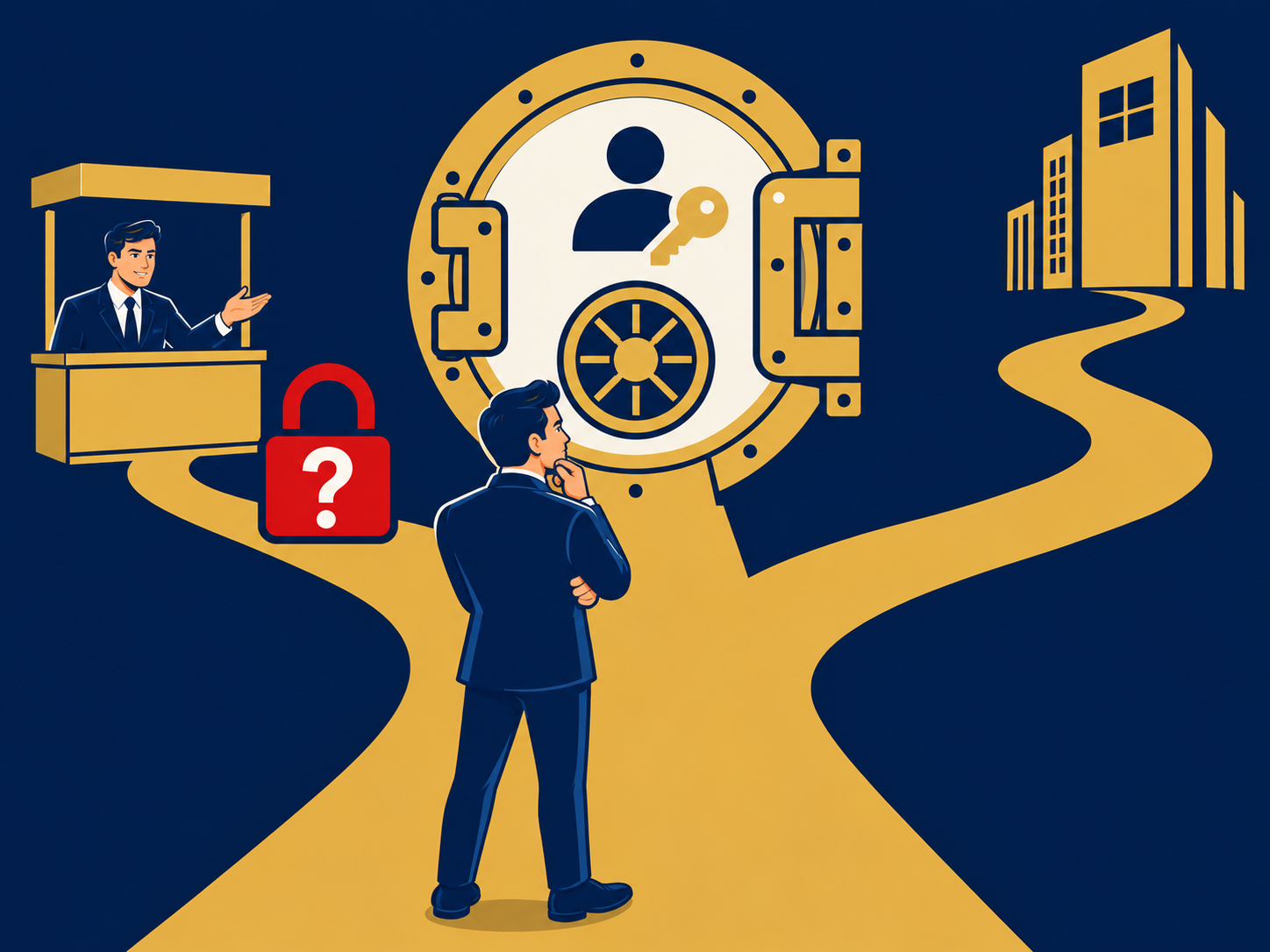
To maximize resilience, you should integrate your 911 Readiness program with your incident response strategy, treating them as complementary components of an overarching emergency management framework.
Establish Unified Communication Channels
- Deploy a single alerting platform that can handle 911 notifications, cybersecurity alerts, and facility management issues.
- Use mobile apps or web portals that push notifications to on-call personnel based on incident type and severity.
Implement Joint Governance Models
- Form an executive steering committee that includes campus safety officers, hotel operations leads, CIO, CISO, legal counsel, and public relations representatives.
- Align policies so that both physical emergencies and cyber incidents follow the same decision-making hierarchy and escalation thresholds.
Standardize Post-Incident Reviews
- Adopt a blameless postmortem approach, as recommended by Atlassian’s 2025 best practices, to analyze both emergency calls and security breaches.
- Document root causes, communication gaps, and system failures in a shared repository.
- Update runbooks and emergency operation plans concurrently to reflect lessons from both domains.
Leverage Shared Technology Assets
- Integrate location services from E911 systems with network asset mapping in your SIEM. This cross-reference helps you pinpoint both the physical name and IP address of compromised devices.
- Extend the concept of a “jump bag” beyond PSAPs by creating digital incident jump bags: pre-configured scripts, credential stores, network topology diagrams, and contact lists.
- Mirror structured PSAP operator workflows in your Security Operations Center, ensuring every alert follows a consistent triage and dispatch process.
Coordinate Training and Exercises
- Conduct joint tabletop drills that simulate a cybersecurity breach during a mass evacuation scenario in a hotel or school.
- Ensure both security analysts and facility responders understand their roles when incidents overlap, such as a data center fire during an active shooter alert.
By integrating frameworks, you break down silos between safety and security teams, ensuring a consistent response posture. You also gain a unified audit trail that simplifies compliance with multi-jurisdictional regulations and reduces the overhead of maintaining separate emergency and incident management systems.
Plan Training And Drills
Regular training and realistic drills ensure that both your physical emergency responders and cybersecurity teams stay sharp under pressure.
Design Multi-Scenario Exercises
- Physical Emergencies: Simulate medical emergencies, fire drills, and security lockdowns in auditoriums, dining halls, and classrooms.
- Cyber Incidents: Conduct table-top exercises for phishing attacks, ransomware outbreaks, and data exfiltration scenarios.
- Cross-Domain Drills: Combine scenarios, such as a building evacuation triggered by a network outage or a shelter-in-place order during a simulated data breach.
Integrate Cross-Functional Teams
- Include front-desk staff, facilities management, IT operations, security analysts, and communications teams in each drill.
- Rotate team members through roles—incident commander, scribe, and communication liaison—to build depth and versatility.
Leverage Technology Simulations
- Use cyber range platforms to simulate real-world attack campaigns against your network.
- Employ mass notification systems that mirror 911 alert delivery protocols for test messages.
- Experiment with virtual reality simulations to immerse responders in complex scenarios without disrupting live operations.
Evaluate and Refine
- After each drill, conduct a blameless postmortem to identify strengths, weaknesses, and improvement opportunities.
- Track drill performance metrics: time to detect, time to escalate, time to evacuate, accuracy of communications, and confidence levels.
Schedule Recurring Sessions
- Aim for quarterly tabletop exercises and at least annual live drills for both emergency and cyber scenarios.
- Update your runbooks and emergency operation plans based on feedback and evolving threat landscapes.
- Use remote instructor-led workshops to train distributed teams across multiple properties or campuses.
Effective training embeds muscle memory and decision clarity into your teams. When an actual incident occurs—whether you’re dialing 911 for a medical crisis or activating an incident response playbook for a data breach—your organization moves beyond panic, executing well-rehearsed procedures that limit damage and protect people and assets.
Measure Program Effectiveness
You need metrics to validate investments and guide continuous improvement in both 911 Readiness and incident response programs.
Key Performance Indicators:
- Average Response Time: Track time from alert generation to dispatch acknowledgment for both 911 and IR alerts.
- Mean Time to Detect (MTTD): Measure how quickly your security tools surface genuine threats.
- Mean Time to Recover (MTTR): Assess the time taken to restore systems or facilities.
- Drill Success Rate: Evaluate completion of objectives in scheduled exercises.
- Audit Compliance Score: Record pass rates in both 911 system audits and regulatory cybersecurity reviews.
- Near-Miss Tracking: Document incidents that were averted by protocols to inform proactive improvements.
Cost and ROI Analysis:
- Calculate cost avoidance by estimating the financial impact of a delayed 911 call or a prolonged data outage.
- Reference industry data such as the average cost per minute of IT downtime and potential fines for non-compliance.
Qualitative Measures:
- Stakeholder Feedback: Survey hotel guests, students, and staff to gauge confidence in emergency processes.
- Team Readiness: Collect self-assessments from responders, noting areas where additional training or resources are needed.
By monitoring these metrics, you create a defensible narrative for budget approvals and vendor selection. You can also benchmark your performance against industry best practices to identify gaps and optimize your processes over time.
Draw Key Conclusions
911 Readiness and incident response tools serve distinct but complementary roles. The former ensures rapid physical emergency dispatch, while the latter automates detection and recovery from cyber threats. By understanding trigger mechanisms, stakeholder responsibilities, and compliance drivers, you can design an integrated framework that protects people, property, and data.
A unified governance model, shared communication channels, and joint post-incident reviews break down silos and improve overall resilience. Regular training, drills, and performance metrics turn theory into practice, giving you the confidence to navigate any crisis. Ultimately, blending 911 readiness with cybersecurity incident response yields a cohesive strategy that aligns safety and security objectives across hospitality and education environments.
Need Help With Response?
Need help navigating the intersection of 911 readiness and cybersecurity incident response? We guide you in assessing your current systems, selecting the right solutions, and aligning stakeholders across hospitality and education. From evaluating multi-line telephone system compliance to optimizing your incident response playbooks, we help you build a resilient, integrated framework you can defend. Reach out to learn how we can streamline your emergency processes and security posture—so you’re ready for whatever comes next.