Why Multi-Department Alignment Is the Hidden Deciding Factor in Cloud Migration Success
December 11, 2025

Understanding Cloud Migration Governance
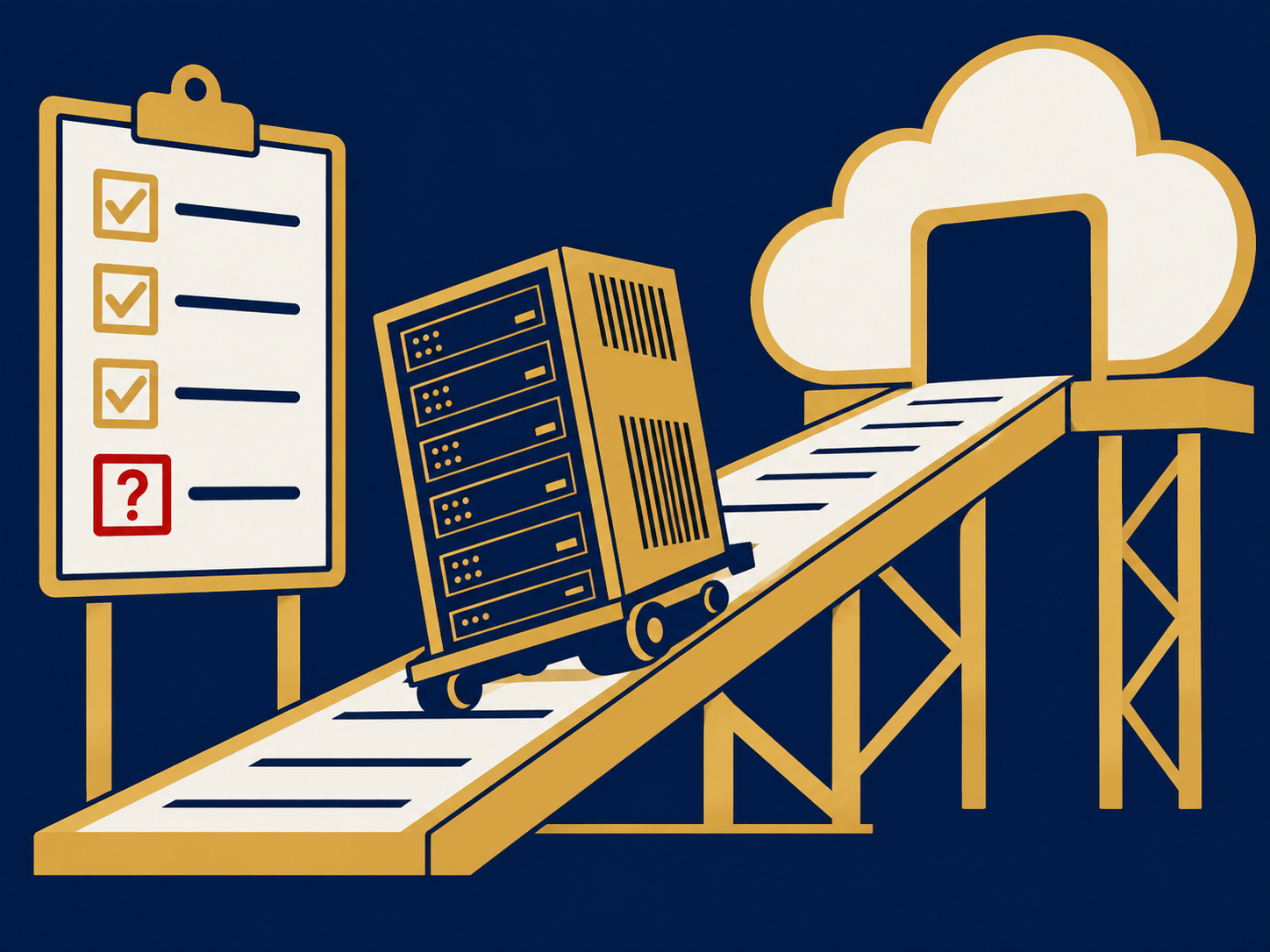
When you plan a migration to a private cloud environment, cloud migration governance sets the guardrails that keep your project on track. Governance is the framework of policies, processes, and checkpoints that ensures your migration meets cost, security, performance, and data integrity targets. More importantly, governance only delivers results when every department shares clear objectives, roles, and metrics. Without multi-department alignment, governance becomes reactive, fragmented, and prone to surprise delays.
Defining Governance In Cloud Migration
Cloud migration governance is more than a static policy document. It is a continuous orchestration of decisions, workflows, and controls designed to:
- Control costs and prevent budget overruns
- Enforce compliance and uphold security standards
- Monitor performance and maintain service levels
- Safeguard data integrity and accessibility
When finance, security, operations, and application teams agree on these pillars, you move from firefighting to intentional progress.
Governance Pillars You Must Cover
To build your governance foundation, map each pillar to clear targets and review points:
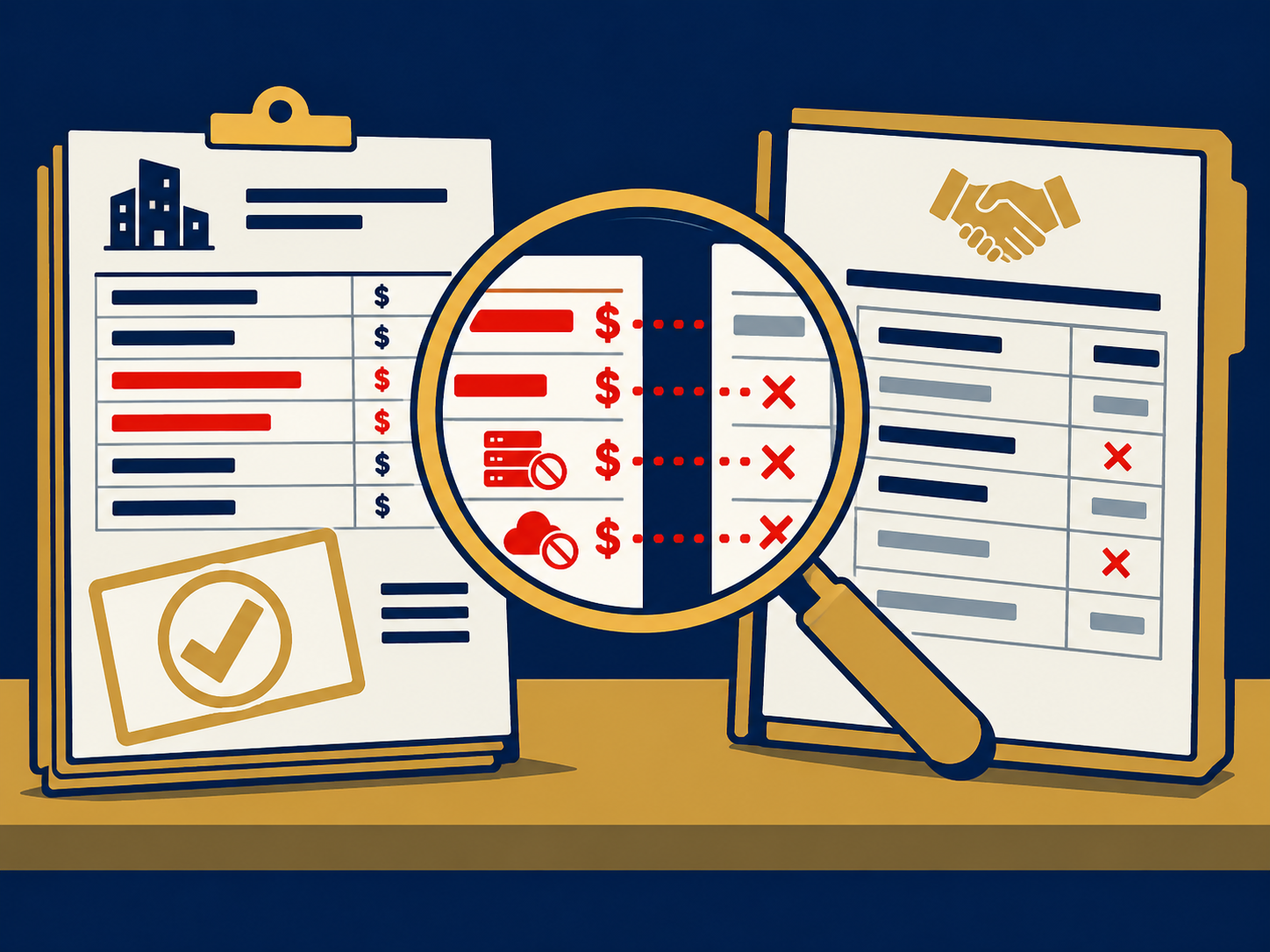
- Cost Management: Implement real-time spending visibility, automated alerts, and rightsizing protocols to avoid unexpected spikes (see our guide on azure cost spikes).
- Compliance And Security: Define policy guardrails that cover encryption, audit trails, and regulatory checklists from discovery through cutover.
- Performance Monitoring: Establish baselines and alerts so you can track latency, throughput, and error rates during migration waves. Large workloads and VMs require extra resource planning (see azure migration large vm).
- Data Governance: Enforce validation checks, backup strategies, and access controls before and after migration to prevent data loss or corruption.
With these pillars tied to measurable outcomes, you can diagnose governance health at every milestone rather than reacting to last-minute crises.
The Importance Of Department Alignment
Governance frameworks can fail even when well designed, simply because departments aren’t pulling in the same direction. When teams operate in silos, governance processes become contradictory, approvals drag, and trade-offs go undefined.
Breaking Down Silos
To break down silos, you need a cross-functional governance council that meets regularly. Include representatives from:
- Finance, to champion cost forecasts and budget guardrails
- Security and compliance, to enforce regulatory requirements
- Operations, to manage runbook updates and cutover plans
- Development and application owners, to handle dependencies and testing
This council reviews migration progress against shared KPIs and makes collective decisions before the window closes.
Stakeholder Roles And Responsibilities
Clarity around who does what is critical. Define:
- Decision rights, so stakeholders know which approvals they own
- Escalation paths, to resolve bottlenecks quickly
- Communication cadences, to keep everyone informed and aligned
When roles and responsibilities are explicit, the council spends time improving governance rather than debating who should act.
Crafting A Shared Vision
A shared vision turns governance from a compliance exercise into a strategic enabler. When all teams agree on desired outcomes, trade-offs, and priorities, decision-making becomes faster and more defensible.
Setting Clear Outcomes
Start by defining what success looks like across the pillars:
- Budget deviation tolerance of 5 percent
- Zero critical security gaps in post-migration audits
- Less than 10 percent performance degradation during cutover
- Complete end-to-end data validation for high-value workloads
These outcomes form the north star for every sprint and stakeholder conversation.
Establishing Trade-Offs And Priorities
No migration is risk-free. Agree in advance on which trade-offs you’re willing to make:
- Can you accept temporary performance dips for faster cutover?
- Will you phase non-critical workloads to reduce scope?
- Which compliance controls can be deferred until after go-live?
Documenting these decisions up front prevents friction when tough choices arise under time pressure.
When you reach the moment of your cloud migration decision, you’ll have a defensible plan built on collective buy-in.
Establishing Governance Processes
With vision in place, translate it into repeatable processes and checkpoints that guide every phase of migration.
Defining Governance Workstreams
Break governance into discrete workstreams, each with its own backlog and reporting:
Scope And Schedule Management
Define migration waves, cutover dates, and rollback criteria so every team understands what moves when and how.
Risk And Issue Management
Maintain a live risk register, assign owners, and require mitigation plans for high-severity items.
Communication Protocols
Standardize status updates, alert thresholds, and stakeholder briefings to avoid last-minute surprises.
Agile Methods For Governance
Apply agile delivery principles to governance itself:
- Hold short, focused planning sessions for upcoming migration waves
- Review governance metrics in weekly stand-ups, not quarterly reports
- Adapt policy or process based on retrospective insights
By treating governance as a living practice, you accelerate issue resolution and reduce compliance drift.
Overcoming Alignment Challenges
Even the best governance and vision can stall when organizational resistance emerges. Anticipate and address common friction points before they derail progress.
Navigating Common Roadblocks
- Competing Priorities: Business units may push new feature launches over migration tasks.
- Approval Delays: Lengthy sign-off cycles on budgets or security scans slow cutover.
- Unclear Ownership: Teams may pass tickets back and forth rather than remedy issues.
Mapping these roadblocks early lets you build escalation paths and avoid windows slipping.
Strategies To Build Buy-In
- Early Engagement: Involve key stakeholders during pilot migrations to earn trust.
- Cloud Champions: Identify advocates in each department who can evangelize governance benefits.
- Quick Wins: Deliver small, visible wins—like cost optimization or faster provisioning—to demonstrate value.
When teams see governance enable progress instead of stalling it, alignment naturally improves.
Measuring Success And Impact
You cannot optimize what you do not measure. Track governance and alignment with clear metrics that reflect real business value.
Governance Metrics And KPIs
Use dashboards to monitor:
- Budget variance percentage by migration wave
- Number of compliance policy violations flagged and resolved
- Mean time to detect and resolve performance incidents
- Volume of data validation errors per workload
Share these metrics in executive reviews to reinforce governance’s role in project health.
Departmental Performance Tracking
Assess how each function contributes to governance outcomes:
- Finance: Accuracy of spend forecasts vs. actual costs
- Security: Time to close critical vulnerabilities
- Operations: Cutover success rate without rollback
- Development: On-time delivery of migration scripts and test results
By tying individual and team performance to shared KPIs, you cultivate accountability and continuous improvement.
Sustaining Alignment And Governance
Migration governance does not end on cutover day. Sustaining alignment ensures long-term success and positions you for future cloud initiatives.
Continuous Communication
Maintain regular check-ins across teams:
- Monthly governance retrospectives to refine processes
- Quarterly strategy reviews to reassess priorities and budgets
- Ad-hoc deep dives for high-risk workloads
Frequent communication prevents drift and keeps stakeholders invested.
Iterating Governance Practices
Treat your governance framework as a product:
- Gather feedback from every migration phase
- Update policies to reflect lessons learned
- Automate manual checks where possible
- Revisit trade-off agreements as business needs evolve
A living governance model grows more efficient each cycle, reducing friction and accelerating value delivery.
Wrapping Up Cloud Migration Governance
Multi-department alignment is the hidden deciding factor in cloud migration success. When finance, security, operations, and application teams share a clear vision, trade-offs, and metrics, governance transforms from a checkpoint to a catalyst. You move from reactive firefighting to proactive decision-making, preventing cost overruns, compliance gaps, and performance surprises. By breaking down silos, crafting a shared vision, and embedding governance into agile processes, you set the stage for smooth migrations today and scalable cloud initiatives tomorrow. If you need to compare costs and benefits, see our analysis of azure vs private cloud cost.
Need Help With Cloud Migration Governance?
Are you facing challenges in aligning teams around your cloud migration? We help you define clear governance frameworks, align stakeholders, and evaluate providers to ensure a smooth transition. From cost forecasting to compliance controls, our experts guide you through every decision point. Talk to us today about how we can turn governance into your competitive advantage.