Fixed mobile convergence is reshaping how educational institutions manage voice, video, and data communication across campuses, remote classrooms, and administrative offices. In your role as an education IT decision-maker, you need clarity on emerging network strategies that support seamless collaboration for students, faculty, and staff. Fixed mobile convergence (FMC) reintegrates traditional wired infrastructure and wireless networks so you can deliver a consistent experience whether users are on campus Wi-Fi, off-campus LTE or 5G, or transitioning between the two.
By 2025, the surge in remote and hybrid learning has accelerated demand for unified communications, driven by technologies such as Wi-Fi 6E/7, 5G standalone, and multi-access edge computing. You’re likely evaluating options like microsoft teams pstn connectivity to extend telephony into Teams. FMC complements those efforts by maintaining uninterrupted sessions, centralizing billing and user data, and reducing operational complexity. This article explains what fixed mobile convergence is, explores core enabling technologies, highlights benefits for education IT, outlines best practices for integrating FMC with Microsoft Teams, and discusses how to measure success and prepare for future trends.
Understanding Fixed Mobile Convergence
Defining FMC
Fixed mobile convergence refers to the seamless merging of fixed broadband (for example DSL or fiber) and mobile wireless networks (for example 4G, 5G) into a single communications fabric. With FMC you can assign one phone number to ring across desk phones, laptops, and mobile devices. Calls and data sessions hand over automatically from Wi-Fi to cellular networks without drops or delays.
Evolution Of FMC
Early FMC initiatives aimed to treat mobile handsets as extensions of enterprise phone systems, for example using enterprise PBX to route mobile calls. Those early models lacked true handover capability between local wireless access and mobile networks. Today’s FMC architectures leverage standards-based protocols, intelligent session management and edge computing to deliver genuine seamless handover.
Why Education IT Should Care
As your institution balances in-class and remote learning, you need reliable voice and video communication under any network condition. FMC lets you:
- Support campus-wide wireless coverage alongside off-campus connectivity
- Simplify vendor management by unifying fixed and mobile service into combo packages
- Enhance user satisfaction with uninterrupted calls during handoffs
Key Technologies Enabling FMC
Wi-Fi 6E And Wi-Fi 7
Next-generation Wi-Fi standards expand capacity in the 6 GHz band, reduce latency and improve throughput. For FMC you rely on high-performance Wi-Fi to carry voice and video with quality comparable to cellular networks when users are on campus.
5G Standalone
5G standalone architecture eliminates dependency on legacy 4G core networks. It delivers ultra-low latency, network slicing and enhanced reliability. In an FMC deployment, 5G standalone ensures that off-campus calls and data sessions maintain service levels consistent with on-premises networks.
Multi-Access Edge Computing
Multi-access edge computing brings compute and storage closer to end users. By hosting policy enforcement, session management and content caching at the network edge, you minimize latency and optimize traffic. Edge platforms can detect when a user moves from campus Wi-Fi to 5G, enforce unified policies and prioritize subscribers based on service level agreements.
Intelligent Session Continuity
Behind the scenes, intelligent session continuity platforms monitor access type changes and coordinate handovers. When a student moves from a dormitory Wi-Fi network to a mobile cell tower, the session continues without you needing to reconfigure endpoints or interrupt ongoing calls.
Benefits Of FMC For Education IT
Unified Communications Experience
With FMC you deliver a consistent user interface across devices. Whether faculty dial into a lecture via a desk phone or a smartphone, they access the same voicemail, directory and collaboration tools.
Simplified Billing And Data Management
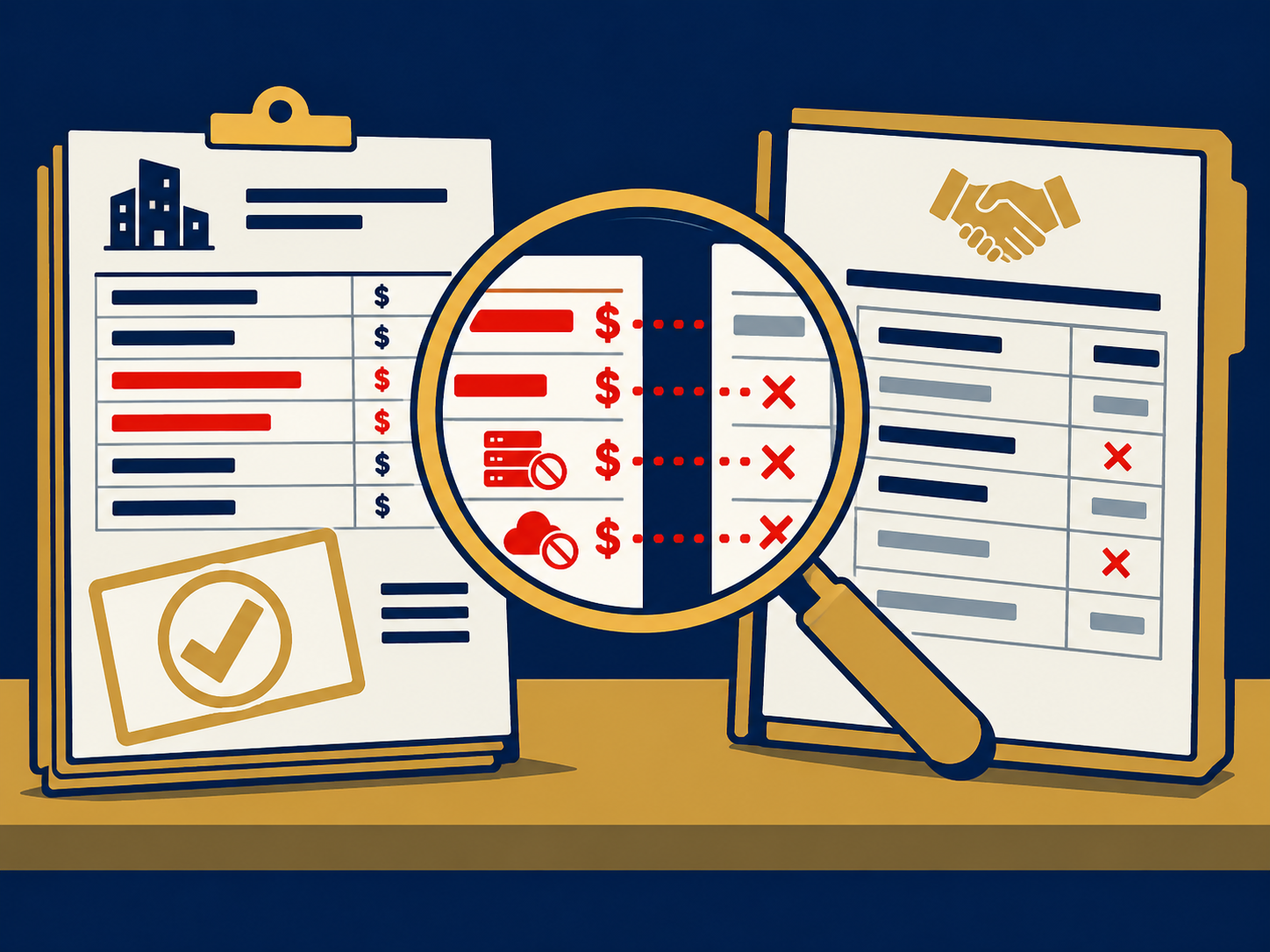
By integrating fixed and mobile networks you can consolidate billing systems and centralize subscriber data. Your finance and procurement teams gain transparency into total communications spend and unlock volume discounts with combo service packages.
Enhanced Mobility And Reliability
Students and staff rarely remain within Wi-Fi coverage. FMC enables true roaming between fixed and mobile networks. That means fewer dropped calls, reduced IT support tickets and better continuity for remote learners.
Operational Cost Reduction
Eliminating separate network silos cuts duplicate infrastructure and management overhead. You optimize bandwidth usage across fixed and wireless channels, and lower total cost of ownership through unified service agreements.
Integrating FMC With Microsoft Teams
Microsoft Teams PSTN Connectivity
You may already be exploring microsoft teams pstn connectivity to enable direct dialing in Teams. FMC complements Teams PSTN connectivity by ensuring that calls initiated in Teams remain stable when users move off campus Wi-Fi onto 5G or LTE.
Addressing Teams SMS Limitations
Microsoft Teams has teams sms limitations when it comes to short message service across mobile networks. With FMC architectures you can rationalize messaging routes, apply consistent policies and leverage your existing mobile carrier agreements for SMS continuity.
Desk Phone Replacement Options
As part of your desk phone replacement strategy you might deploy IP desk phones or softphone clients. FMC supports both, handing off calls automatically to user devices when fixed lines are unavailable.
Legacy Phone Systems Integration
Many campuses still maintain legacy phone systems alongside modern platforms. FMC gateways can bridge those systems, allowing analog or PBX extensions to participate in unified handover and management without ripping and replacing your entire telephony estate.
Overcoming FMC Deployment Challenges
Ensuring Network Compatibility
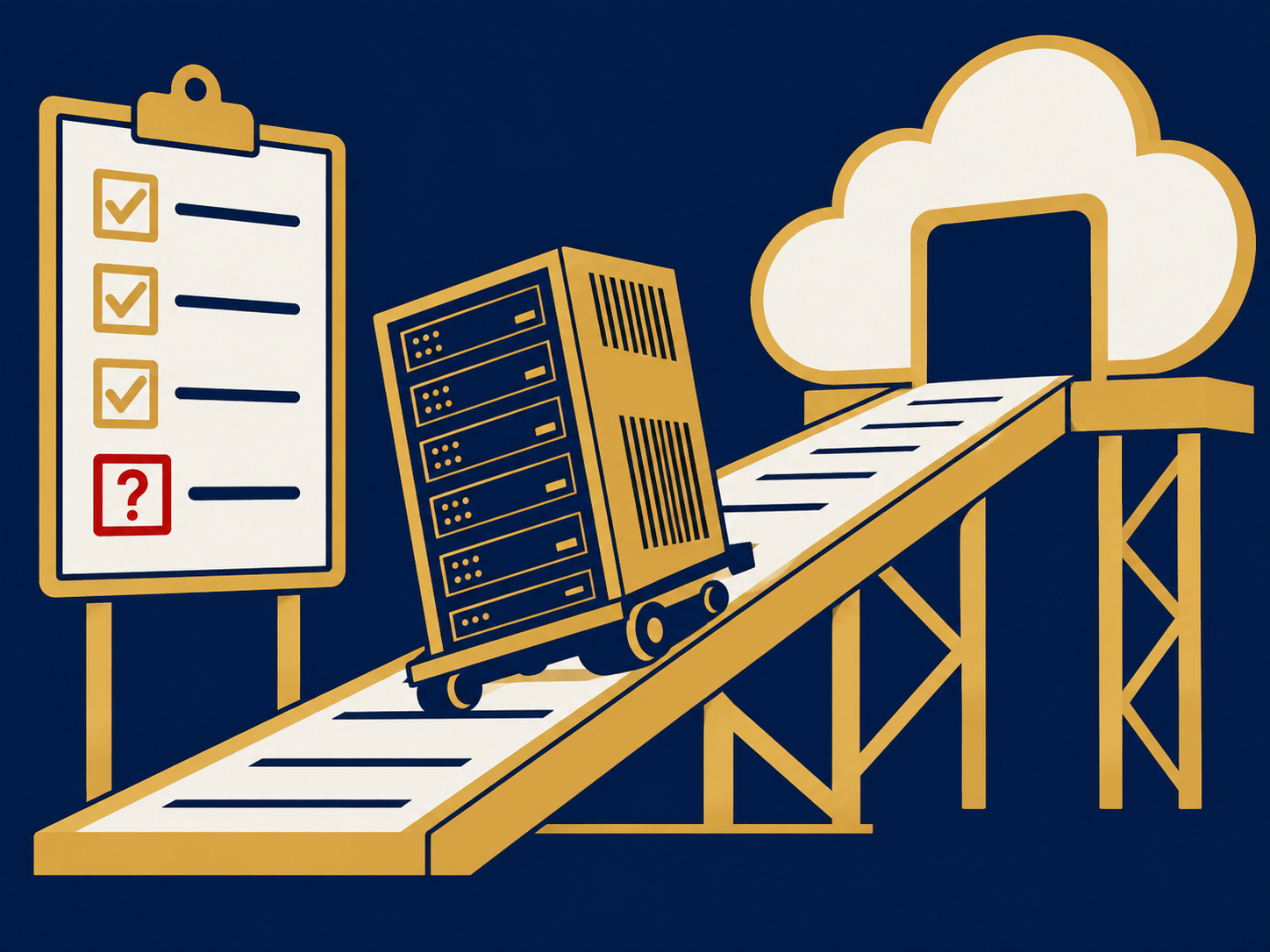
Assess your existing Wi-Fi infrastructure for coverage and capacity. Verify that your mobile core network supports standalone 5G or equivalent low-latency features. You may need to upgrade controllers, edge servers or session management platforms.
Addressing Security And Governance
FMC introduces new attack surfaces at the network edge. Implement consistent authentication, encryption and policy enforcement across fixed and mobile domains. Define governance models that assign ownership for network segments and service levels.
Managing Adoption And Change
Your users may not immediately understand FMC benefits. Provide clear documentation and training on device behavior during handovers. Engage faculty and administrative teams early so they can champion the seamless experience.
Measuring FMC Success
Key Performance Indicators
Track metrics that matter to education IT:
- Call success rate across handovers
- Session continuity statistics (dropped calls, packet loss)
- User satisfaction scores and support ticket volume
- Network utilization rates for Wi-Fi versus cellular
ROI And Cost Optimization
Quantify cost savings from consolidated billing, reduced duplicate infrastructure and fewer support incidents. Compare pre-FMC and post-FMC operational expenses. Showcase how unified service agreements and optimized traffic flows improve your financial predictability.
Future Trends In FMC
Cloud Native Network Architectures
Full automation and zero-touch operations are the next frontier. Cloud native telco networks will enable on-demand scaling, automated provisioning and self-healing capabilities that reduce manual intervention.
Real Time Applications
As extended reality (XR), ultra-reliable low latency communications (URLLC) and autonomous systems become mainstream in educational simulations, FMC will provide the low-latency, high-availability foundation those applications demand.
Wrapping Up Fixed Mobile Convergence
Fixed mobile convergence offers a strategic path to unify your campus and remote communications under a single, resilient architecture. By combining advanced Wi-Fi, 5G standalone and edge computing you deliver seamless handovers, centralized management and cost efficiencies. Integrating FMC with Microsoft Teams PSTN connectivity and related collaboration services enriches the learning and teaching experience, while simplifying billing and governance. As you plan for cloud native networks and emerging real time applications, a well-executed FMC strategy positions your institution for reliable, future-proof communications.
Need Help With Fixed Mobile Convergence?
Are you evaluating fixed mobile convergence for your campus network? We help you identify the right convergence architecture, integrate it with Microsoft Teams PSTN connectivity and select partners who can deliver seamless handover and unified management. Our team guides you through network assessments, solution design and vendor selection so you achieve reliable, cost-effective communications. Contact us today to find the FMC solution that aligns with your educational goals and budget.