Understanding Omnichannel Challenges
Omnichannel contact center challenges are more than a buzzphrase. In today’s financial services environment, you expect a unified support experience across voice, chat, email, social media, and mobile apps. Yet even with a modern contact center as a service solution, you still encounter fragmented data, operational inefficiencies, and inconsistent customer experiences. These gaps erode trust, drive up costs, and force your agents into repetitive, low-value tasks. To bridge the promise-reality divide, you must first understand why all-in-one platforms often fall short and where your efforts should focus.
Comparing Multichannel And Omnichannel
Before diving into failures, clarify the difference between multichannel and omnichannel strategies. In a multichannel contact center each channel operates in isolation, with its own tools, processes, and data stores. That leads to:
- Inefficient Systems and Protocols: Separate workflows for voice, chat, email, and social require distinct toolsets and agent training, inflating complexity.
- Siloed Customer Records: When data does not flow across channels, agents lack context. Customers repeat information, increasing frustration.
- Elevated Operational Costs: You pay for multiple licenses, integrations, and specialized staff, making support models harder to scale.
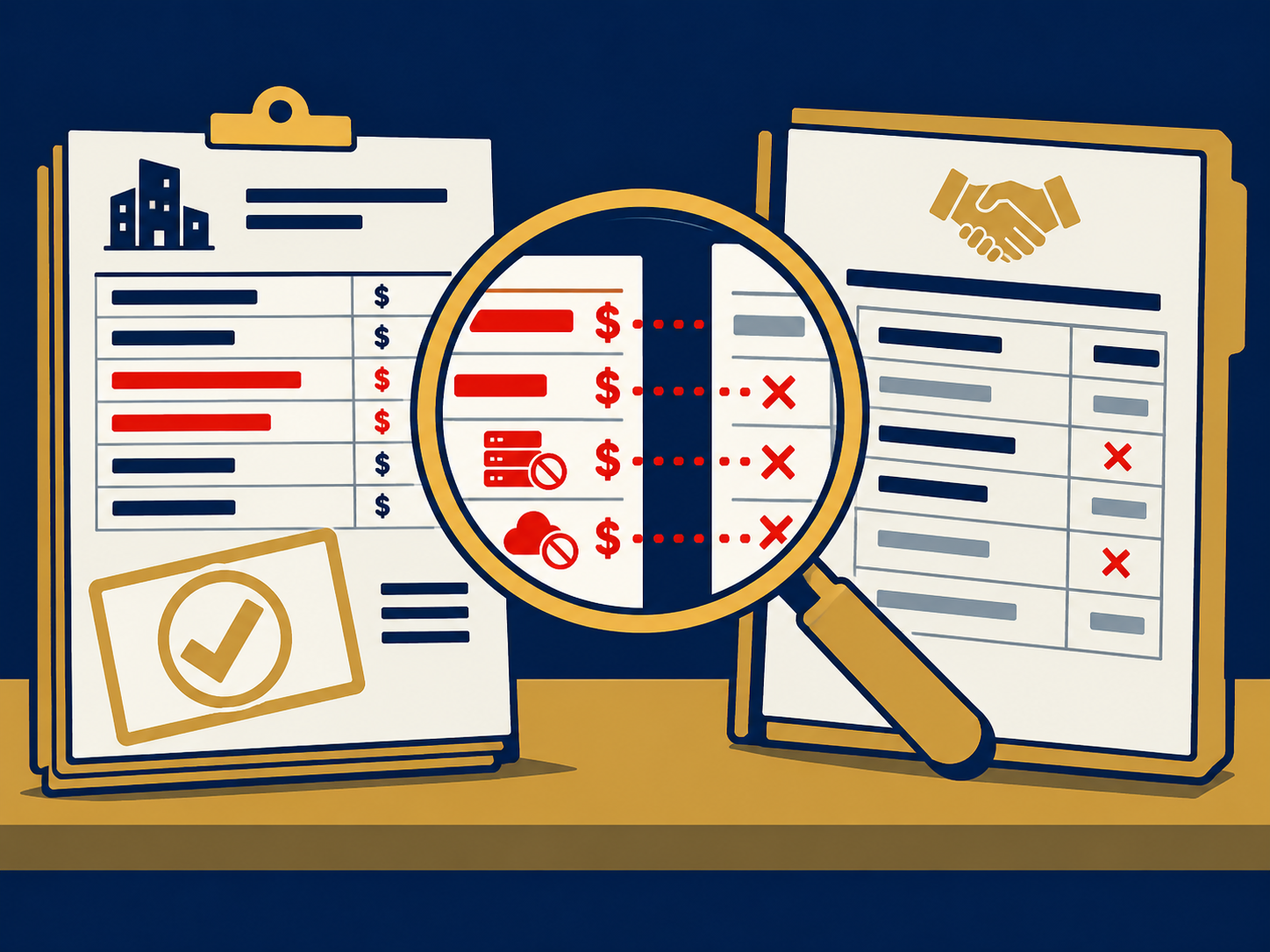
Omnichannel aims to solve these issues through a shared infrastructure that synchronizes customer history and agent workflows in real time. However, many “all-in-one” platforms deliver partial integration at best, leaving you with legacy pain points under a new label.
Key Implementation Barriers
Even if you invest in a true omnichannel stack, implementation hurdles can derail your goals. The primary barriers include:
Technology Integration Complexity
- Disconnected Platforms: Integrating CRM, telephony, chat, and social media APIs demands custom connectors and ongoing maintenance. Platforms marketed as turnkey sometimes hide integration gaps.
- Data Synchronization Lags: Real-time context is nonnegotiable. Delays in syncing customer notes or transaction history undermine the seamless experience you promised.
- Legacy Platform Dependencies: If you’re migrating from older systems, you may face rigid architectures and limited APIs. Comparing glia vs legacy ccaas highlights how older deployments can limit omnichannel fluidity.
Data Visibility And Analytics Gaps
- Fragmented Reporting: When channels report metrics in silos, you cannot measure true end-to-end performance. That makes it hard to optimize first contact resolution or identify recurring friction points.
- Incomplete Customer Insights: Without unified data, AI-driven personalization falls flat. Your recommendations, next-best actions, and routing logic rely on accurate, comprehensive profiles.
- Governance And Compliance Risks: Financial services demand strict data controls. Inconsistent access rules across channels can expose you to audit failures and privacy concerns.
Breakdowns In Channel Transitions
- Context Loss: Even small gaps—like a missing chat transcript—force agents to ask customers to repeat details. That negates any promise of continuity.
- Routing Inefficiencies: Intelligent call routing must consider digital signals, payment status, or recent support tickets. Many omnichannel offerings still use legacy rules engines.
- Disjointed Escalations: When an email inquiry shifts to a phone call, supervisors may lose visibility into previous steps, hampering coaching and quality assurance.
Addressing Human Factors
Technology alone will not solve omnichannel contact center challenges. Your agents and support teams must be prepared for the increased complexity and responsibility.
Comprehensive Agent Training
Training for omnichannel fluency covers more than tool navigation. You need programs that address:
- AI-Driven Assistance: Agents should know when to rely on automated suggestions and when to step in with human empathy.
- CRM Best Practices: Consistent note-taking and tagging ensure that every team sees the same customer context.
- Channel-Specific Etiquette: Tone, response times, and compliance obligations differ across email, chat, phone, and social.
Preventing Agent Burnout
Managing multiple concurrent channels is demanding. Without proper support, agents face:
- Overload From Context Switching: Jumping between live chat, email queues, and calls increases cognitive load.
- Stress From Incomplete Tools: Slow or unreliable integrations force workarounds that sap morale.
- Frustration From Repetitive Tasks: Asking customers to repeat information hurts agent satisfaction and performance.
Workforce management tools, proactive workforce analytics, and defined escalation paths help balance workloads. In addition, leveraging agent assist can automate routine steps and free agents to resolve complex issues.
Ensuring Consistent Messaging
Your brand voice must remain uniform across channels. Inconsistent responses undermine trust. To maintain a cohesive tone:
- Develop Centralized Style Guidelines: Include examples for each channel and periodic refresher training.
- Leverage Templates With Flexibility: Provide scripted responses that agents can personalize, reducing variability without stifling authenticity.
- Monitor Quality Through Auditing: Regularly review interactions and share key learnings to strengthen compliance.
Strategies For Overcoming Barriers
You can turn omnichannel ambitions into reality by following a structured approach:
Prioritize Strategic Integration
Start with high-impact channels and data sources. Focus on:
- Core Customer Data: Ensure your CRM, billing system, and support history sync in real time.
- Primary Support Channels: Roll out unified workflows for voice and digital chat before adding secondary channels.
- Scalable Architecture: Select cloud-native modules that adapt to volume spikes without manual reconfiguration.
Leverage AI And Automation
AI can transform omnichannel experiences when applied thoughtfully:
- Predictive Routing: Use intent analysis to connect customers to the right agent or specialist, reducing transfers.
- Proactive Engagement: Trigger chat invitations based on user behavior or known service triggers.
- Intelligent Assist Tools: As you explore ai in contact centers, look for solutions that blend automation with human oversight.
Establish Governance And Accountability
Clear ownership and decision rights prevent drift:
- Define Success Metrics: Align leadership around tangible outcomes such as reduced handle time, improved CSAT, and lower escalations.
- Assign Channel Stewards: Experts for each channel ensure best practices and continuous improvement.
- Implement Change Controls: Gate major platform updates behind cross-functional reviews to avoid surprises.
Foster Cross-Functional Alignment
Omnichannel initiatives touch IT, operations, marketing, and compliance. Break down departmental silos by:
- Hosting Joint Workshops: Share customer journey maps and process flows to identify friction collectively.
- Creating Shared Dashboards: Provide real-time visibility into performance metrics that matter to all stakeholders.
- Aligning Incentives: Tie rewards to company-wide goals such as first contact resolution or net promoter score.
Measuring Impact And ROI
To defend your investment in omnichannel, link platform capabilities to business value:
Define Relevant Metrics
- End-To-End Resolution Rate: Track how often customer issues close without transfer or repeat contacts.
- Customer Effort Score: Measure how easy it is for customers to switch channels or find answers.
- Agent Productivity: Monitor resolved interactions per hour across voice and digital channels.
Connect Data Silos To Insights
Unify reporting by consolidating data into a single analytics layer. That enables you to:
- Identify High-Volume Pain Points: See which channel combinations trigger the most transfers or escalations.
- Measure Personalization Impact: Assess how AI-driven recommendations influence upsell success or retention.
- Drive Continuous Improvement: Turn insights into targeted training, script updates, and process refinements.
Wrapping Up Key Takeaways
All-in-one contact centers promise seamless support, but omnichannel contact center challenges often persist due to integration gaps, data silos, and human factors. By prioritizing strategic integration, leveraging AI and agent assist, establishing governance, and fostering cross-functional alignment, you can transform fragmented systems into a unified support engine. Clear metrics and a focus on agent experience ensure that you not only launch omnichannel but sustain and scale it over time.
Need Help With Omnichannel Challenges?
Are you facing hurdles in delivering seamless, consistent customer experiences across channels? We help you evaluate and select the right contact center as a service provider, design integration roadmaps, and implement best practices that stick. Whether you’re optimizing an existing deployment or exploring specialized solutions like ccaas for credit unions, we guide you through every step. Let’s build an omnichannel strategy you can defend and scale. Contact us today.