Secure remote access is no longer a “nice to have.” With more than 48 million Americans working remotely during the COVID-19 pandemic, organizations are exposed to forgotten laptops, unsecured home networks, and credential theft. Secure Access Service Edge (SASE) unites network and security functions in the cloud so you can enforce consistent policies, monitor every session, and contain threats before they spiral into a breach. In this article, you’ll learn how SASE prevents a misplaced or forgotten laptop from becoming a cyber disaster—no more reactive firefighting, just predictable defenses and clear control.
Understand SASE
Secure Access Service Edge, often abbreviated SASE, brings networking and security together at the cloud edge. Instead of routing traffic back through corporate data centers, SASE enforces policies as close as possible to the user or device—no matter where they connect. That means whether your laptop is in a coffee shop or an airport, access requests are inspected and only approved resources are reachable.
Components of SASE
- Cloud-Hosted Security: Inline threat inspection, data loss prevention, and secure web gateway capabilities in one service
- Software-Defined Networking: Dynamic routing and optimization for latency, bandwidth, and application performance
- Zero Trust Enforcement: Continuous identity verification and least-privilege access controls
- Edge Point of Presence: Distributed nodes that apply policies locally, reducing backhaul and enabling scale
Benefits Over Traditional VPN
- Consistent Policy Enforcement: Your security rules travel with the user, not the network
- Reduced Attack Surface: Users never join a flat inside network, eliminating lateral movement risks
- Scalability and Performance: Cloud edge points handle growing remote populations without bottlenecks
- Visibility and Analytics: Centralized monitoring of every session, device and application
Learn more about the principles behind SASE at our guide to secure access service edge.
Recognize Laptop Risks
Forgotten or stolen laptops are a top entry point for attackers. When a device goes missing, internal credentials, cached tokens, and sensitive data all become high-value targets. Without real-time inspection and control, a rogue actor can abuse existing sessions or reconfigure settings.
Common Attack Scenarios
- Physical Theft: A device left in a taxi or coffee shop gives attackers direct access
- Lost or Misplaced: Forgotten laptops may not be fully encrypted or may have weak local passwords
- Unsecured Wi-Fi: Public hotspots can be compromised, leading to man-in-the-middle attacks
- Credential Reuse: Cached credentials grant access to cloud services and internal applications
For a deeper dive into endpoint vulnerabilities, see our article on laptop security risks.
Business Impact
- Data Exfiltration: Intellectual property, customer data or financial records can be copied or sold
- Compliance Violations: Exposure of regulated data (HIPAA, PCI) can trigger fines and audits
- Brand Damage: Public breach announcements erode customer trust
- Operational Disruption: Incident response, legal reviews and remediation divert resources
The cost of an unmanaged device extends far beyond hardware replacement. SASE ensures stranded laptops never get a free ride into your network.
Enforce Zero Trust
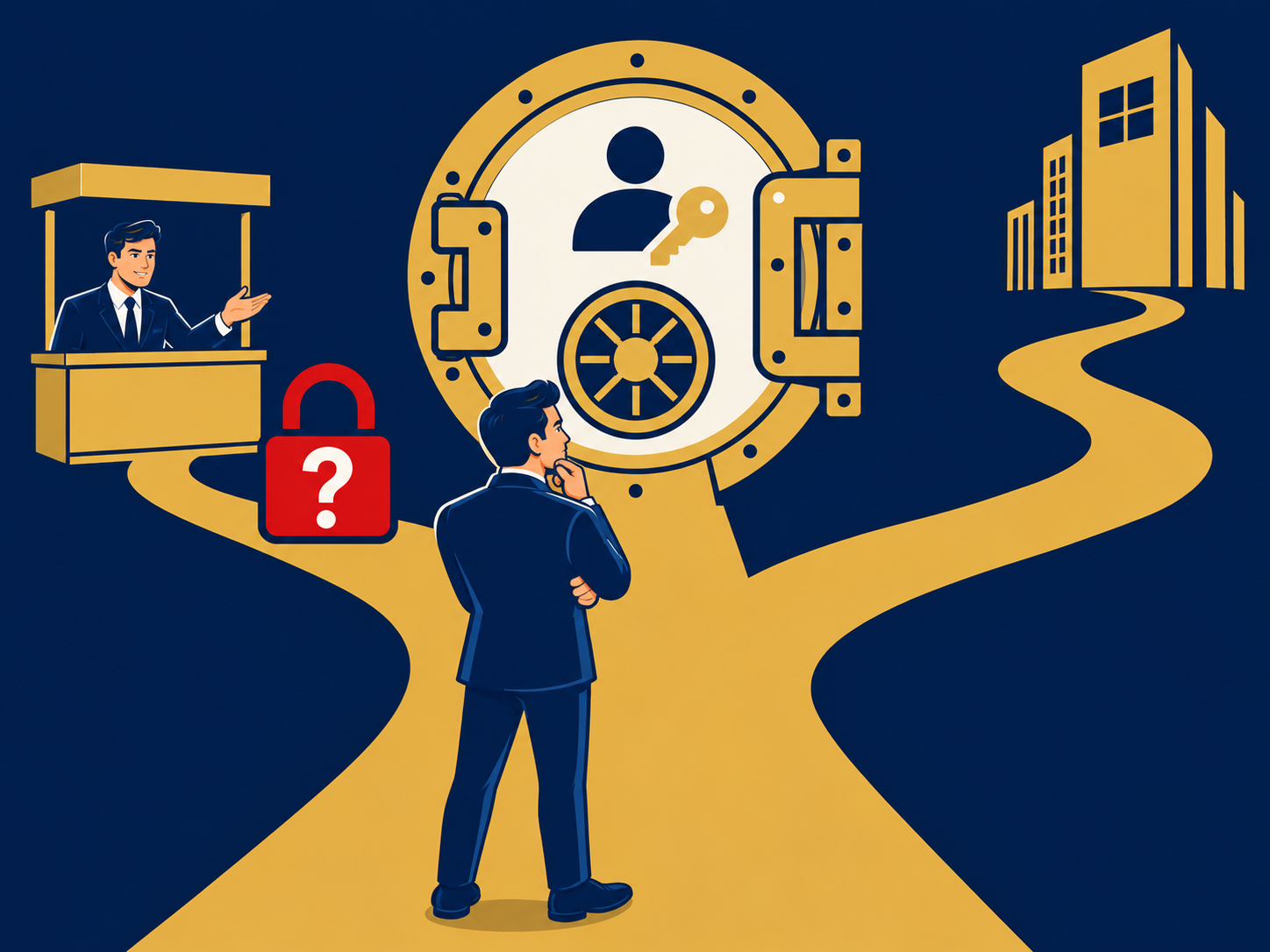
Zero Trust means never trusting a device or user by default. Each access request is evaluated on context: user identity, device posture, location, and risk score. SASE integrates this principle so that even a corporate-issued laptop requires continuous validation.
Role-Based Policies
- Dynamic Access Controls: Permissions change based on job function, location and time of day
- Conditional Access: Block or limit sessions if device posture falls out of compliance
- Just-In-Time Privileges: Grant elevated rights only for a defined window, then revert
Continuous Validation
- Device Health Checks: Verify encryption, patch levels and antivirus status before granting access
- Adaptive Authentication: Step-up challenges when risk signals spike, such as unknown network or IP address
- Real-Time Revocation: Immediate session termination if a device is reported lost or stolen
Healthcare providers have successfully adopted Zero Trust with minimal disruption, as detailed in our zero trust healthcare case study.
Secure Data Transmission
Even if a laptop is compromised, you can limit the attacker’s view of your network by encrypting traffic and segmenting resources. SASE applies strong encryption and microsegmentation at scale, so data in transit is always protected.
Encryption Protocols
- TLS 1.2+ and AES-256: Industry-standard ciphers for web, API and application traffic
- IPSec or SSL VPN Alternatives: Encrypted tunnels managed by the cloud proxy, not on the device
- End-to-End Encryption: Data remains unreadable until it reaches its intended application or storage
Segmenting Network Traffic
- Micro-Perimeters: Dynamically segment sessions per user or application, preventing lateral movement
- Context-Aware Rules: Route traffic only to specific resource enclaves based on identity and risk
- Least-Privilege Zones: Restrict each device’s reach to the minimum set of services needed
By enforcing segmentation at the edge, SASE prevents unauthorized exploration of your core network even if a laptop session is hijacked.
Strengthen User Authentication
Weak or reused passwords are still a top vulnerability. SASE platforms integrate multi-factor authentication (MFA) and privileged access management (PAM) to make secure remote access more robust.
Multi-Factor Authentication
- Second-Factor Challenges: SMS, authenticator apps or hardware tokens add layers beyond passwords
- Risk-Based Prompts: Only trigger MFA when anomalies appear, balancing security and user experience
- Phishing-Resistant Options: FIDO2 keys or certificate-based authentication for high-security resources
Lack of MFA was central to the 2021 Colonial Pipeline attack, where compromised VPN credentials without a second factor led to widespread fuel shortages.
Privileged Access Management
- Zero-Standing Privileges: No permanent admin rights on user devices or servers
- Session Recording: Monitor and audit privileged sessions to deter misuse
- Dynamic Credential Injection: Inject credentials at session runtime rather than storing them locally
Combining MFA and PAM under a SASE umbrella ensures that even if a laptop falls into the wrong hands, elevated access remains out of reach.
Monitor And Respond
Preventing a forgotten laptop from becoming a breach requires always-on monitoring and automated responses to suspicious activities.
Continuous Visibility
- Full Session Logs: Capture user, device and application activities in a single pane
- Behavior Analytics: Detect deviations from normal patterns, such as data transfers at odd hours
- Unified Dashboards: Correlate network, identity and endpoint data for faster investigation
Automated Alerts
- Risk-Based Notifications: Generate alerts when policy violations or high-risk events occur
- Instant Remediation: Quarantine devices, revoke tokens or enforce re-authentication automatically
- Playbook Integration: Tie into your SIEM or orchestration tools for end-to-end incident response
This always-on approach aligns with principles of always-on security to keep threats in check without manual gatekeeping.
Integrate With Infrastructure
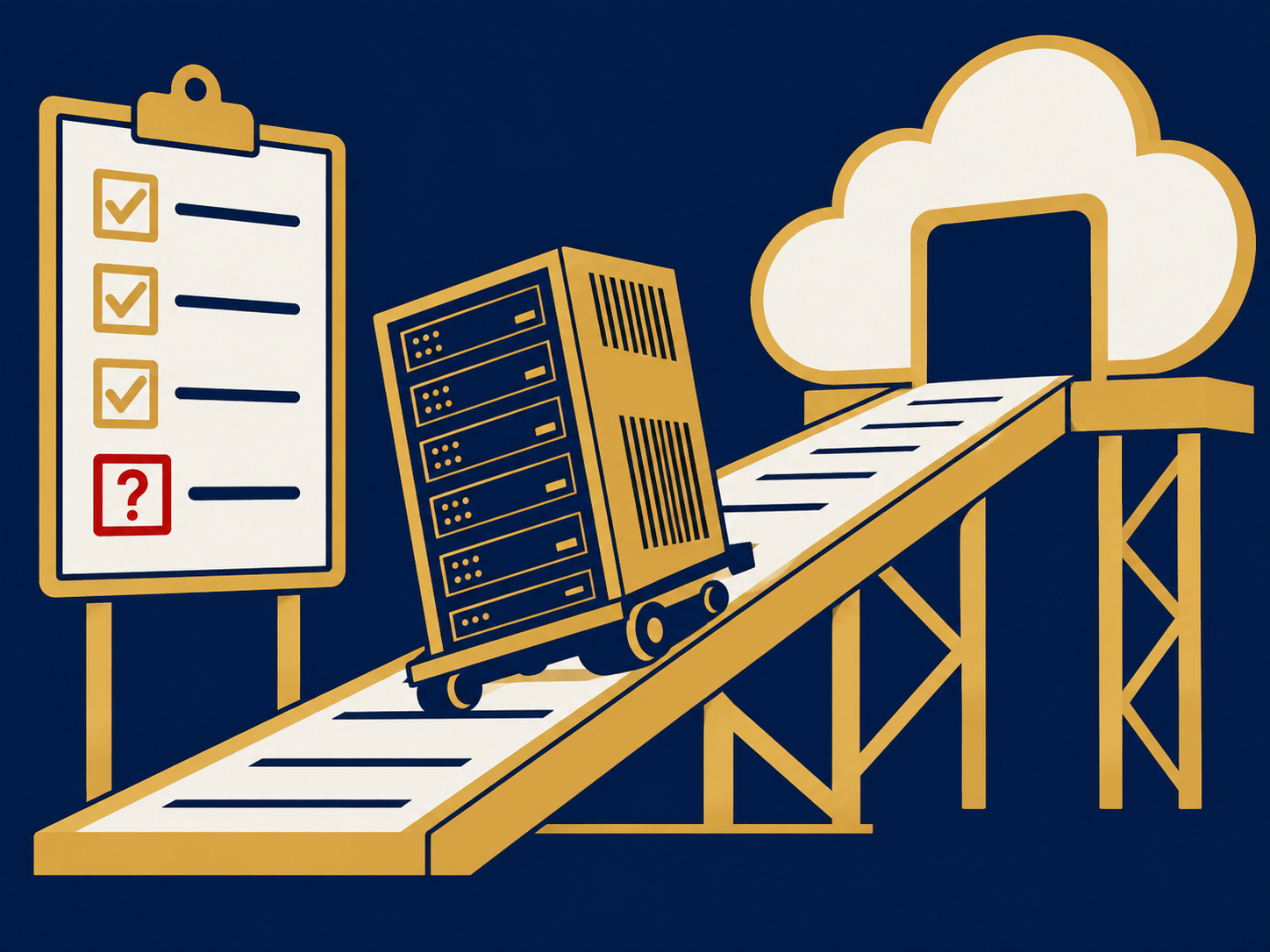
SASE is not a rip-and-replace model. You can layer it onto existing WAN, SD-WAN or cloud architectures to extend secure remote access across your hybrid estate.
Cloud And Edge Integration
- API-Based Connectivity: Link SASE controls into cloud platforms like AWS, Azure or Google Cloud
- Co-Presence with Edge Nodes: Deploy lightweight connectors in regional data centers for low latency
- SaaS Application Proxies: Apply security controls directly to popular SaaS tools without network changes
Vendor-Agnostic Approach
- Open Standards: Leverage industry protocols for identity, encryption and logging
- Phased Rollout: Start with remote user protection, then extend to branch offices or IoT devices
- Continuous Optimization: Use built-in analytics to refine policies and remove unused controls
By integrating SASE into what you already have, you avoid forklift upgrades and steadily replace legacy VPNs and firewalls.
Conclusion
A forgotten laptop should never threaten your entire network. Secure remote access through SASE gives you unified policy enforcement, context-aware controls and real-time visibility—so you can lock down a missing device before damage spreads. With policy consistency, encryption, zero trust and automated response all in one service, SASE transforms reactive IT firefighting into predictable security operations.
Need Help With Secure Remote Access?
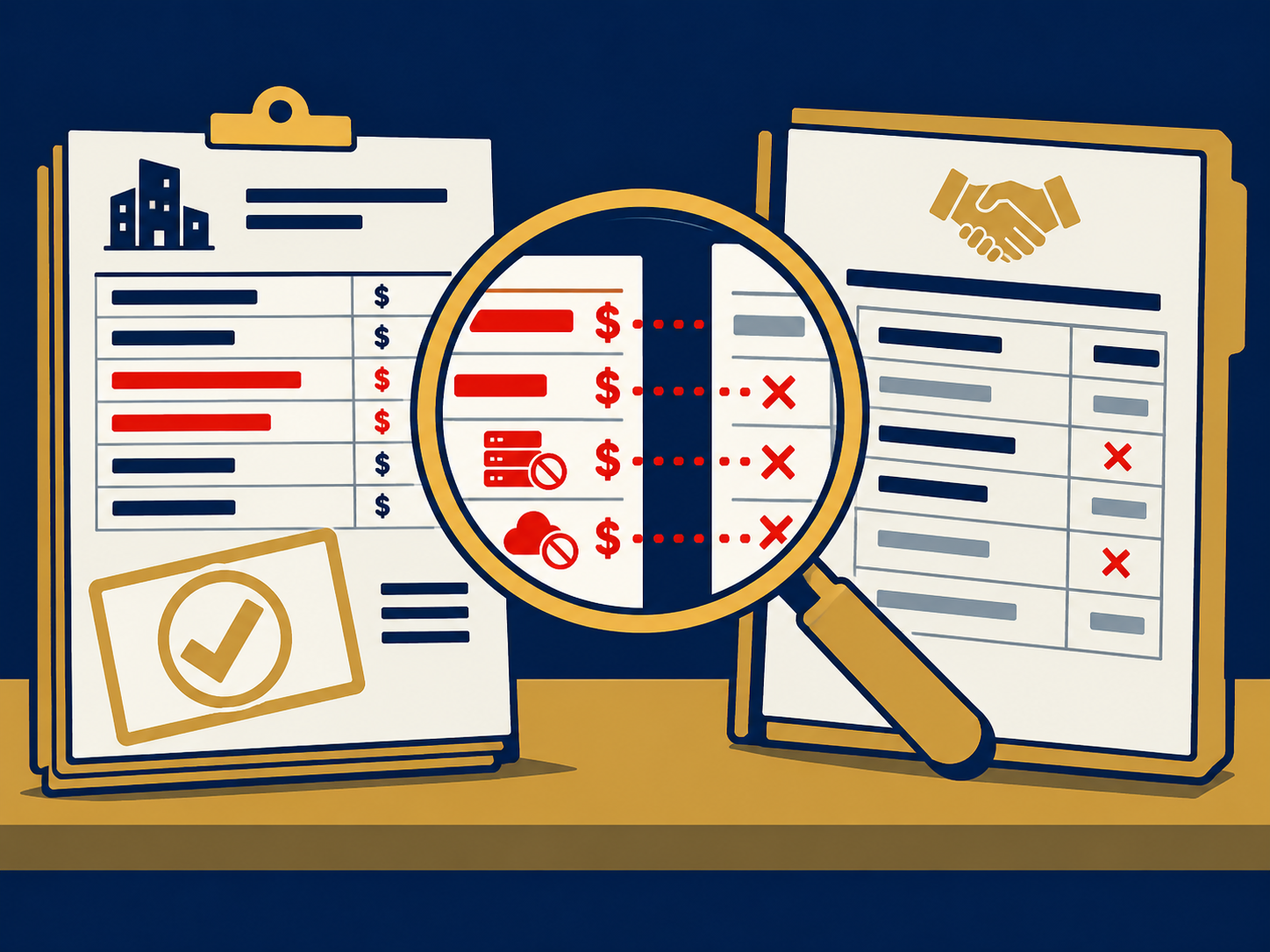
Are you struggling to close gaps in your remote access strategy? We help you evaluate SASE solutions, align security and networking teams, and build vendor-agnostic roadmaps tailored to your environment. Let us find the right provider and deploy a solution that prevents misplaced or stolen laptops from becoming cyber disasters. Contact us today to get started.