Stop Reporting Security Maturity. Report Business Exposure.
August 12, 2026
The score isn’t the decision
The security maturity score you just spent three weeks building is useful to your own team. It tracks whether your program is improving year over year. By itself, it rarely tells your board what decision they’re being asked to make.
The number answers the wrong question
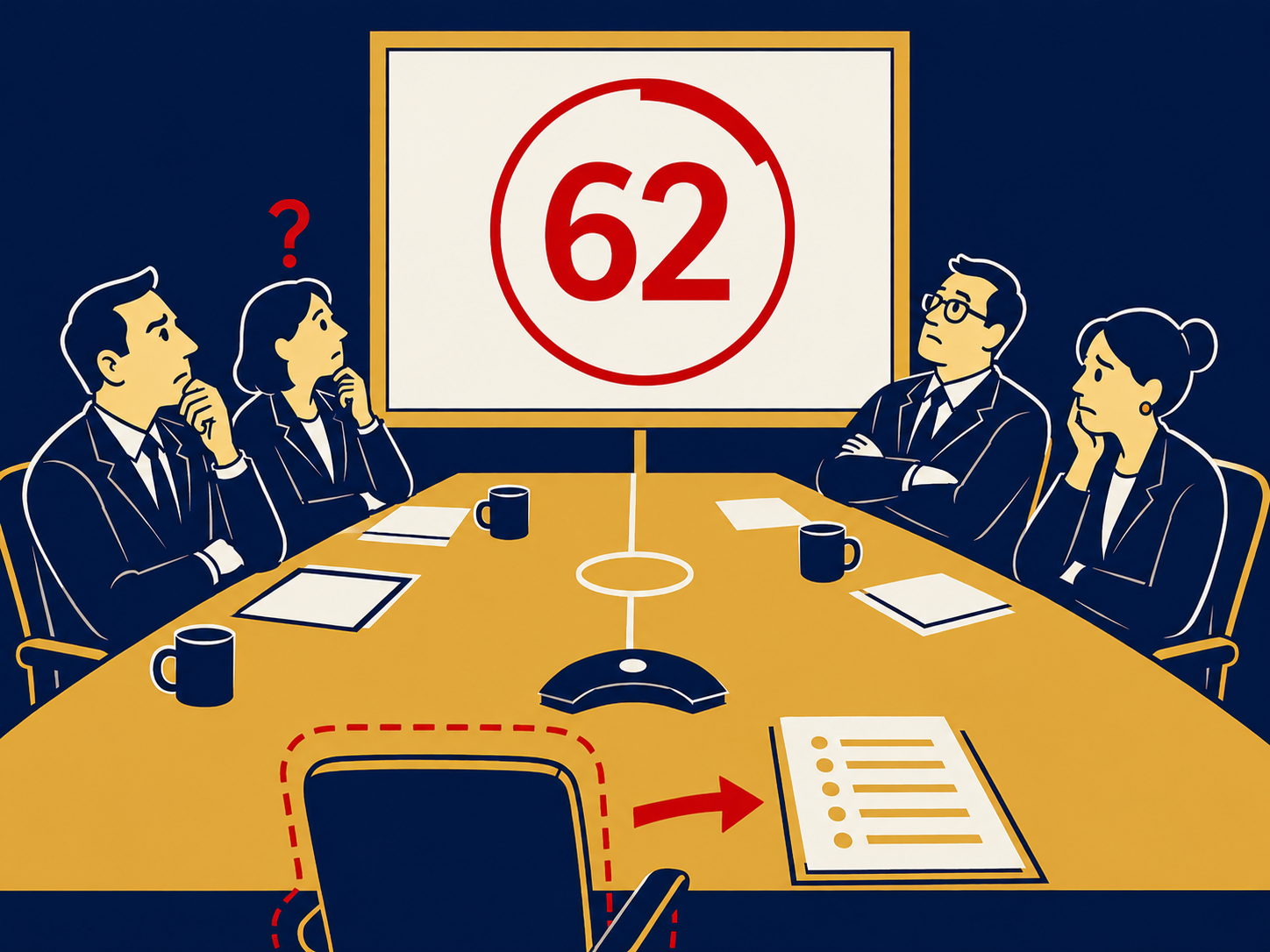
Right now the habit is to walk in with a number, the score might be a 2.4, a 6 out of 10, or a Tier 2 under whatever framework your last assessment used. Your board is asking a real question. They’re just asking a different one than the number answers. What decision are you asking us to make, and what changes if we say yes or no.
Why the number falls apart in the room
A maturity score is an abstraction. Useful for tracking your own progress, less useful the moment someone outside security has to act on it. The finding underneath the score is real and specific. The score flattens that finding into a single digit, and whoever approves the budget has to do that translation themselves, usually without the context to do it well.
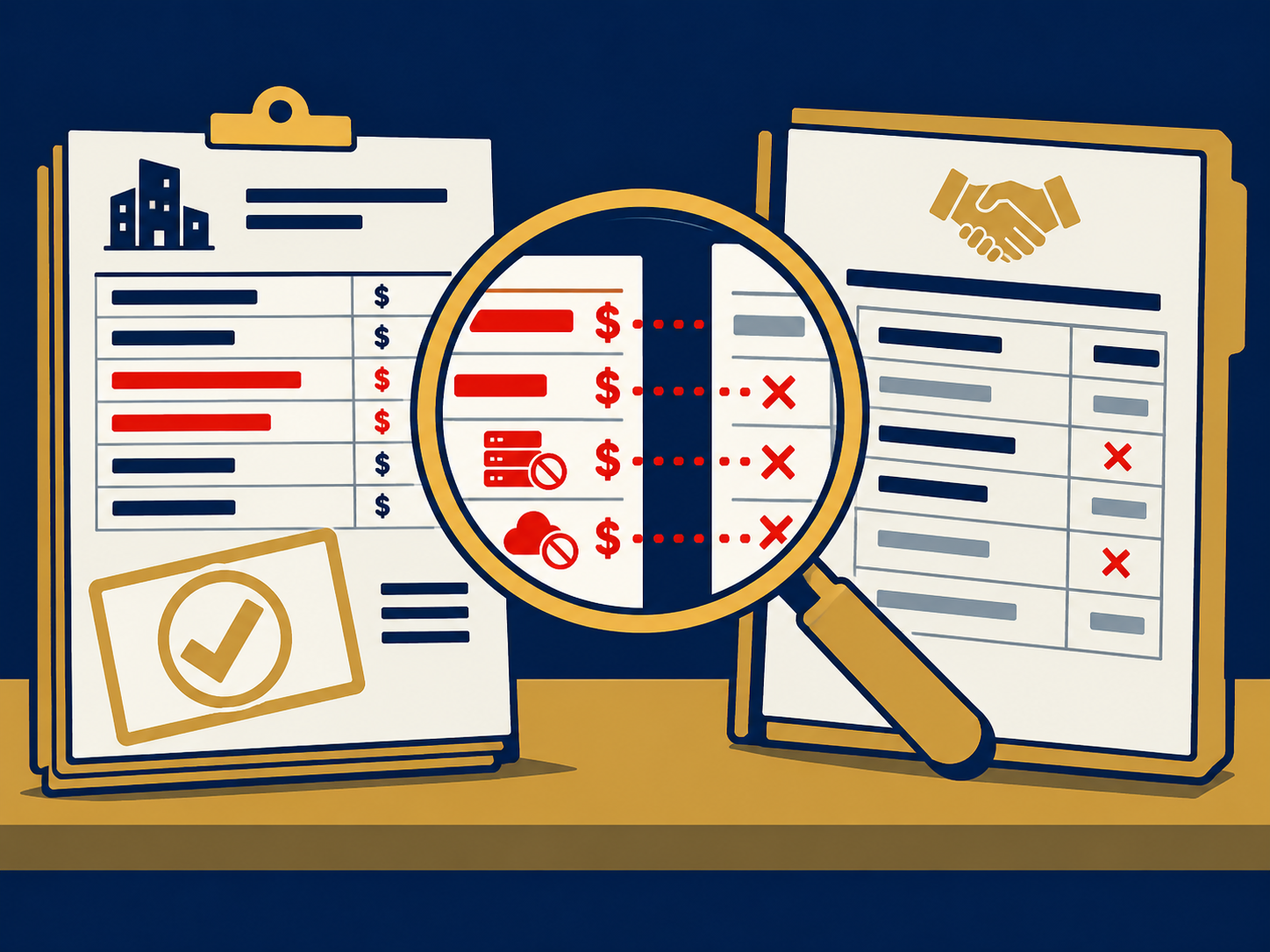
There’s a second translation problem sitting underneath the first one. A vendor might pitch continuous monitoring, the tool might only alert without actually responding, and what that gap is actually worth to your organization depends entirely on how fast your team can act on an alert by hand. What a vendor pitches, what the technology actually does, and what value it has for your organization are three different things, and closing that gap is part of the security leader’s job, before the finding ever reaches a board slide.
Some executives will still want the number, to track progress over time, and that’s a legitimate ask. Keep giving it to them. Just stop treating it as the thing that gets a decision made.
Build the business exposure statement
This is the actual tool. Not a slide, not a summary, a short statement you fill in before you walk into any room where someone else needs to decide something based on your finding.
- What’s actually true. State the technical finding in plain language, not the score.
- What it touches. Name the specific part of the business this affects. Revenue, customer data, uptime, a contract, a regulatory requirement.
- What happens if nothing changes. Be specific about what, not just that something bad eventually happens.
- What needs to change. State the fix in plain terms.
- What it costs, and what it displaces. The invoice number, plus what gets delayed or deprioritized elsewhere to make room for it.
- What decision you actually need. Approval, acceptance of the risk as it stands, a delay with a firm date, or a decision not to act with the exposure explicitly accepted.
Fill in real values on all six lines. If you can’t fill in line two or line five, the finding is still technical, not ready for the board yet.
What the strong version actually sounds like
Weak: We’re at 2.4 out of 5 on identity maturity.
Strong: Our identity provider only covers part of our applications. The systems outside it rely on separate authentication and offboarding processes, which means access is harder to control consistently and harder to revoke quickly when something changes. Closing that gap will take about six weeks, require a fixed budget, and delay another planned project. If we don’t do it, that is the exposure we’re choosing to carry into next quarter, regardless of what the overall maturity score says.
The weak version needs the listener to already trust the scale. The strong version needs nothing except the willingness to make a call.
What this looks like outside a slide deck
Picture a security leader whose company just signed a large customer that wants onboarding finished fast. Saying no isn’t an option. What is an option is naming the actual tradeoff: here’s what this costs to do at that speed, here’s what we stop doing while we do it, and then handing that decision to whoever actually owns the tradeoff.
That’s the exposure statement in one sitting. The cost is named, the consequence is named, and the decision goes to the person accountable for it, not buried under a score they would have to interpret themselves.
What actually changes with independent help
The hard part isn’t generating another assessment. It’s pressure testing the translation before the decision gets made, whether the exposure, the consequence, and the proposed cost actually hold up before they become a funded decision. That’s where an independent perspective helps, not replacing the security team’s judgment, but checking it.
If funding is what’s sitting in front of you right now, this is where to start. It covers what changes when someone independent is involved before a vendor shapes the direction.
If your next conversation depends on a score instead of a filled in exposure statement, fix that before you walk in. Build it now, while you have the time. The next decision won’t always come with a deadline doing the persuading for you.
Before vendors shape the direction. That’s when Strategy matters most. Get Started.
No pitch. No prep. Just answers.