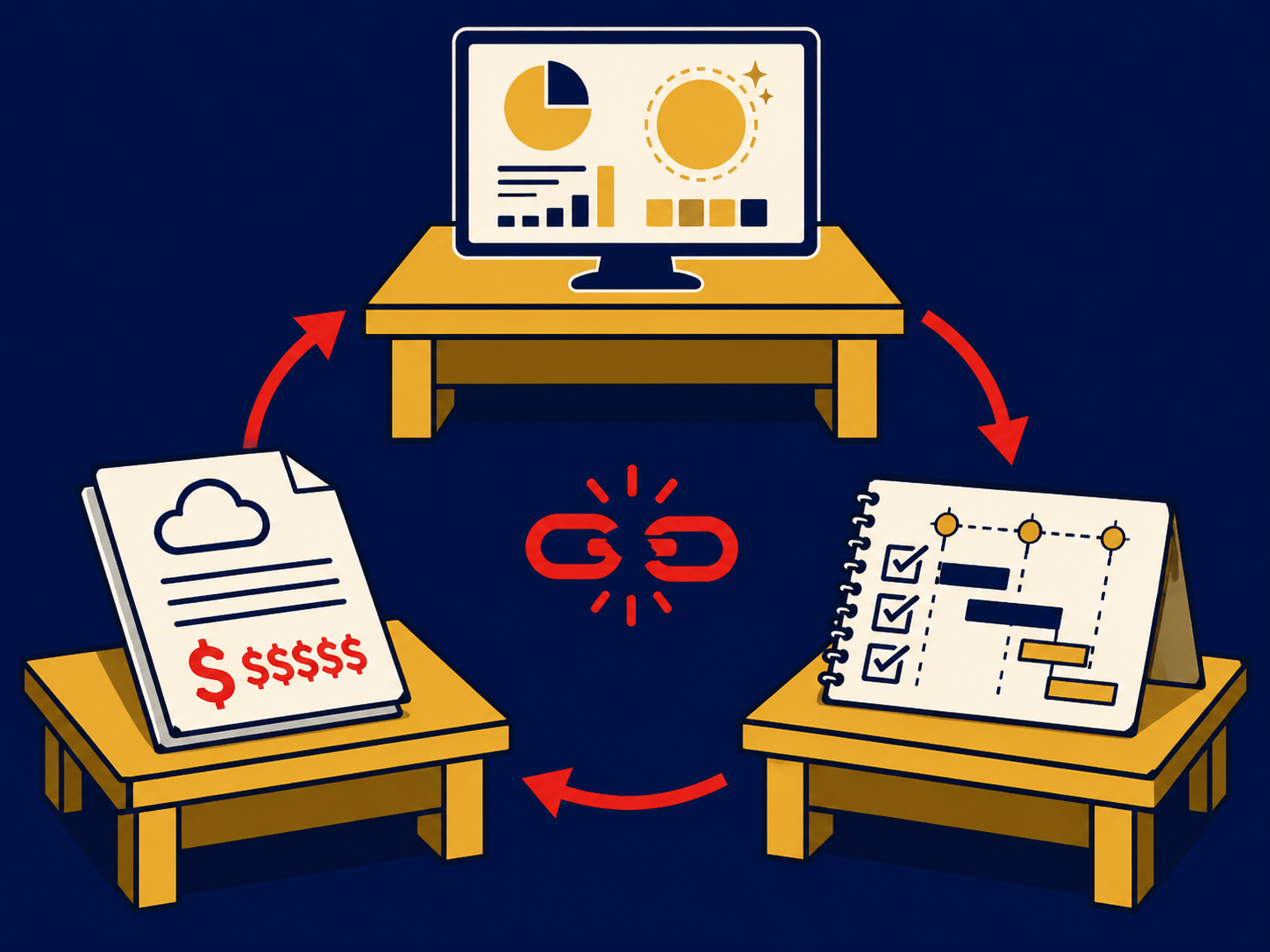
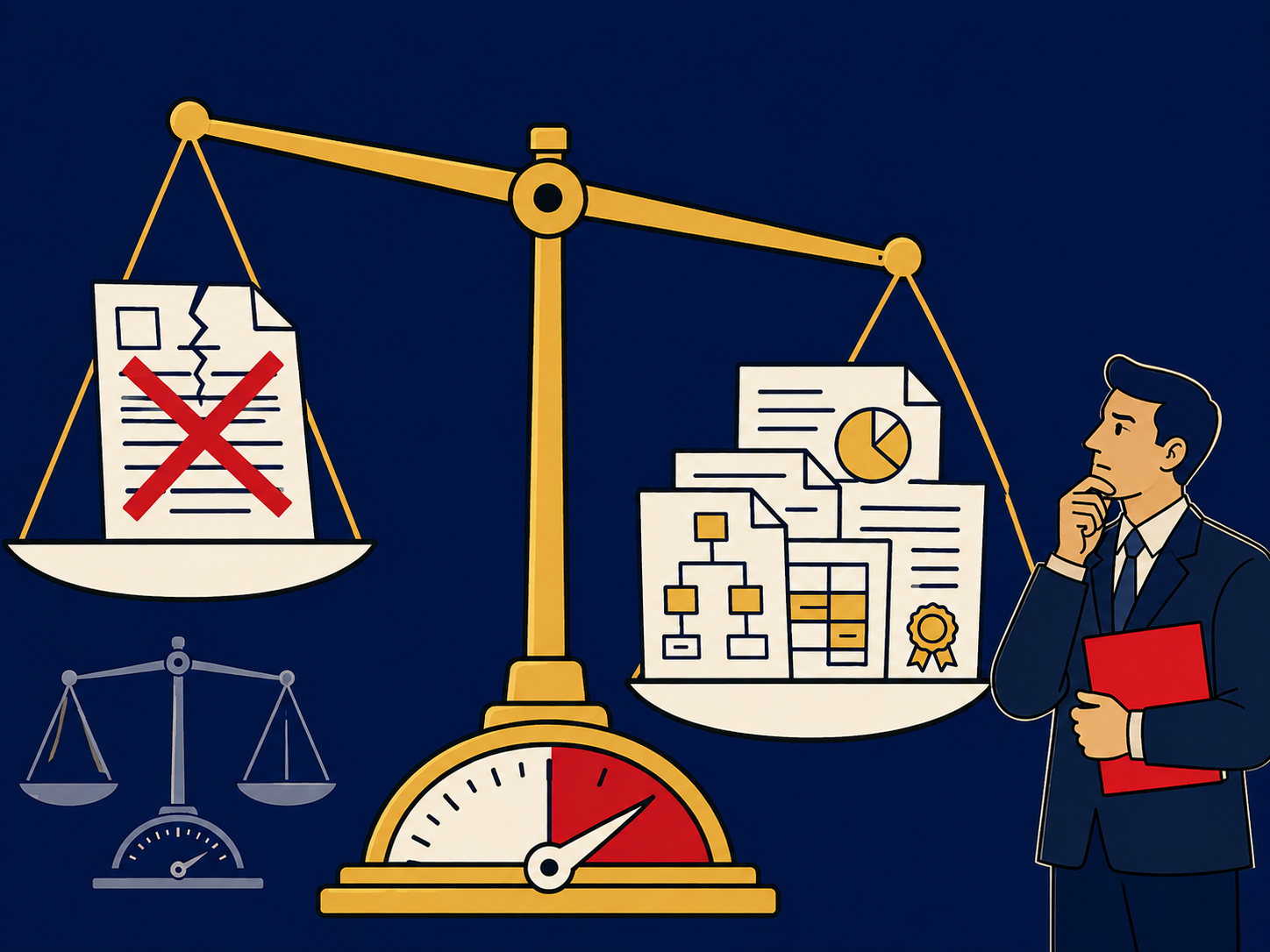
Your Technology Bill Passed Approval. That Doesn't Mean Anyone Checked It.
September 9, 2026
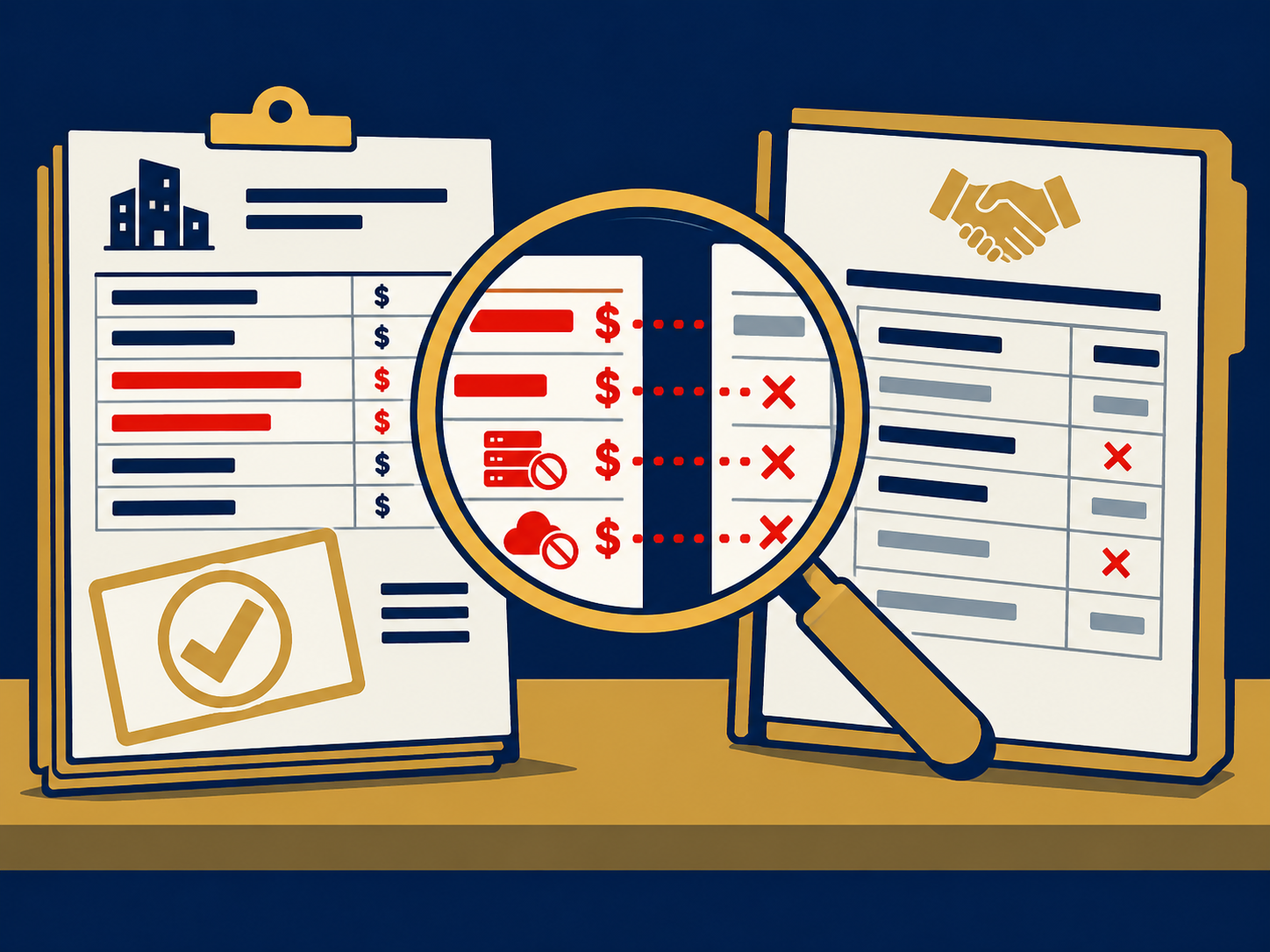
Somebody approved your last technology invoice. That doesn’t mean anyone checked whether it was right.
Approval often means the vendor is recognized and the amount looks reasonable. Validation is different. Someone has to compare what you’re being charged against what you signed, what changed, what you still have, and what you actually use.
On one 270 line wireless account, Tommi Ellis’s team at Intratem found roughly $4,000 a month in savings, on an account where they hadn’t expected to find much. She walks through why in the full conversation with Max Clark. The point isn’t that every invoice hides thousands of dollars. It’s that the size or familiarity of a bill tells you nothing about whether the charges underneath it are actually right.
Start With Your Contract
Pull the current invoice and the agreement that governs it. Don’t compare the total. Compare the line items, the rate, the quantity, the discounts, the fees, the dates, against what the contract actually says. The real question isn’t whether the invoice looks reasonable. It’s whether you can show where each material recurring charge came from in the agreement.
Check What Changed
Any change creates a point where the invoice can stop matching reality. A service gets added, moved, upgraded, downgraded, or disconnected. The request gets completed, but nobody confirms the next bill actually reflects it.
The clearest version of this: someone tells a carrier a service is no longer needed and asks for it to be disconnected. The carrier agrees. Nobody checks the next invoice closely enough to see the charge is still there. It keeps billing, not because anyone lied, but because verifying that one line on that one invoice was never anyone’s job.
A cancellation isn’t complete when the vendor accepts it. It’s complete when the next bill actually reflects it. Pull anything you’ve changed or canceled in the last few months and check the invoice that came after.
Check What You Still Have
Technology changes faster than any inventory list does. People leave, devices get reassigned, projects end, and the invoice keeps running through all of it. Every recurring charge should connect to something real, a person, a device, a location, a workload. Anything that doesn’t deserves a look. That gap tends to open widest around employee turnover. When someone leaves and a new point of contact takes over, whatever they knew about what’s actually running often leaves with them. Pull a list of everyone who left in the last few months and confirm their devices, lines, and licenses were actually reclaimed or canceled, not just reassigned in name.
Check What You Actually Use
Owning something and needing it aren’t the same thing. For mobile lines, a 90 day window is usually enough to spot something paid for and never touched. The same idea extends to software licenses and cloud resources, separate what’s unused, underused, and actually needed. Zero usage isn’t automatically a problem, a backup line can sit quiet on purpose, but zero usage with no explanation is worth a real answer.
Verify Your Credits and Corrections
A vendor saying a credit is approved isn’t the finish line. Trace it to an actual invoice and confirm the full amount landed. Until it shows up on a bill, it’s a promise, not money back. If a credit was promised more than a couple of billing cycles ago and still hasn’t shown up, it’s not delayed. It’s gone unless someone follows up on it.
Check the First Bill After a Change
Intratem reviews the first invoice after installing a new service. The reason is simple: catching a problem on the first bill is easier than discovering it after the account has been billing for months. The same logic applies after a renewal, upgrade, downgrade, or move. Whenever something materially changes, check the first affected bill against what was agreed to.
Who Checks the Next Invoice?
Finding one error doesn’t mean your technology spend is actually being managed. It means you found one error. The real question is who owns checking the next invoice, who confirms a disconnect actually stopped billing, who tracks a promised credit until it shows up, and who reviews what’s sitting unused. If the honest answer depends on whoever happens to have time that week, the gap is bigger than one invoice.
What Your Results Tell You
You don’t need to find a large overcharge for this to be worth doing. If you can’t reconcile what you signed against what you’re being billed, what changed, what you still have, and what you’re actually using, you’ve found a control gap. That’s true whether or not you’ve found an overcharge yet.
If you’re in an ongoing vendor relationship right now and can’t remember the last time anyone ran this comparison, what changes when someone independent is watching an ongoing vendor relationship is worth reading next. It covers what’s actually at stake in a relationship like that, and what changes once someone independent is the one checking the invoice, not just tracking the renewal date.
For more on how invoice validation fits into a broader technology expense management approach, see this related piece.
We’ll show you exactly where you’re overpaying. Get Started. No pitch. No prep. Just answers.