Your Security Stack Isn't Your Security Program
June 23, 2026

The pen test comes back. Configuration gaps. Unpatched systems. Access controls that were never tightened after the last offboarding. You just spent six figures on an EDR, a SIEM, and an MDR contract. The findings look almost identical to the last test.
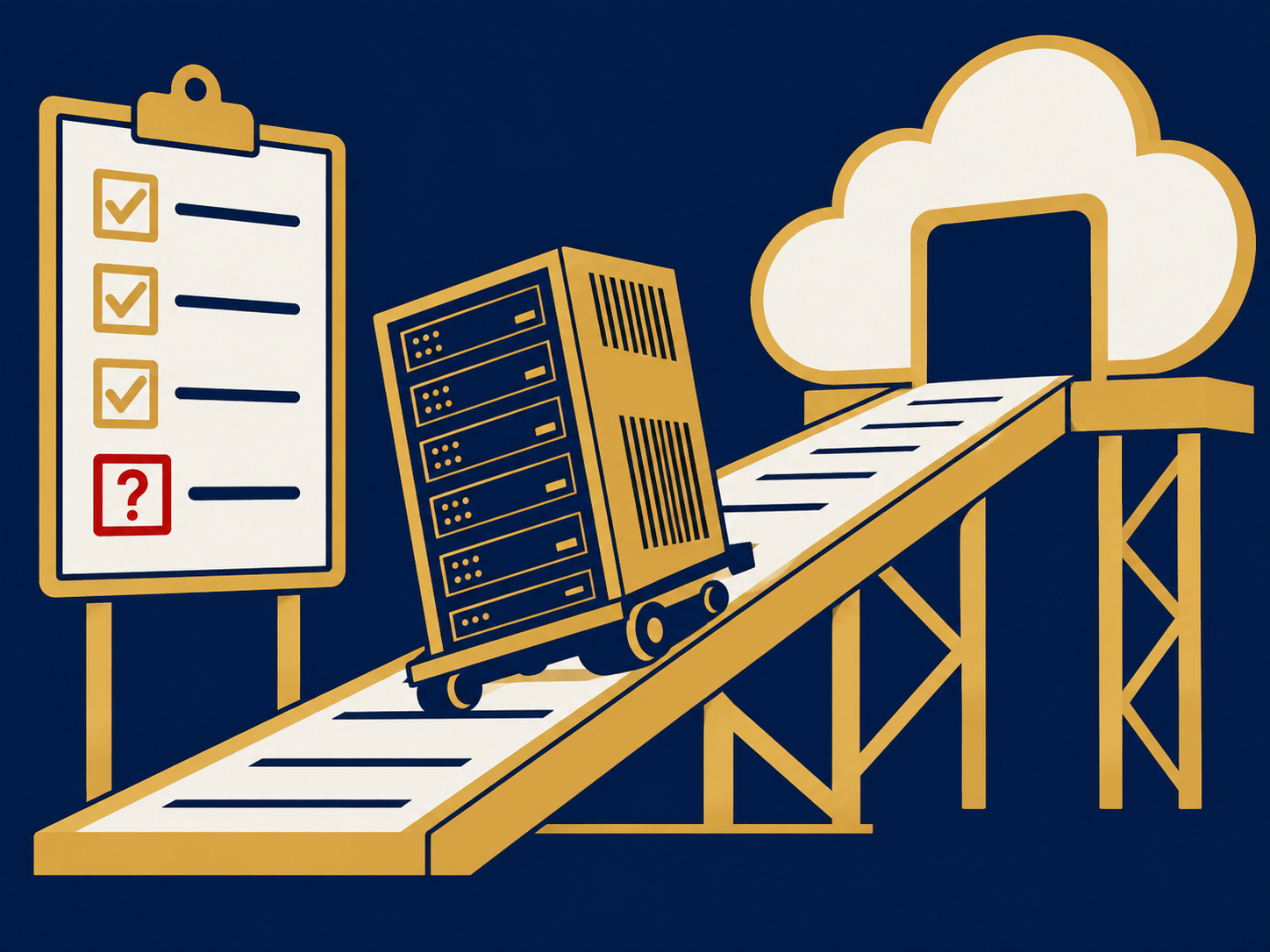
The tools are running. The problem is that nothing above them defines what they’re supposed to enforce.
What Your Tools Are Missing
The layer between your security tools and an actual security program goes by different names. Some organizations call it governance. Others call it a control framework. Security practitioners often refer to it as policy architecture. Whatever you call it, most mid-market organizations don’t have one — and the tools they’ve purchased can’t compensate for its absence.
Every effective security program has three layers.
The first is management statements: principles written in plain language that describe what your organization intends to do, without referencing any specific technology. A wireless access policy at this layer doesn’t say “WPA2 with RADIUS.” It says the organization will provide mobile access in a way that includes accountability for connections and strong encryption. That statement is valid five years from now regardless of what tools change underneath it.
The second layer is technical standards — the specific implementations of those management statements. This is where WPA2 with RADIUS shows up, where your EDR configuration requirements live, your patching SLA, your access control rules for employee offboarding. This layer changes when technology changes.
The third layer is procedures: the step-by-step operational instructions for how specific tasks get done — how you provision a new user, how you decommission a departing employee’s access, how you respond to a specific alert type.
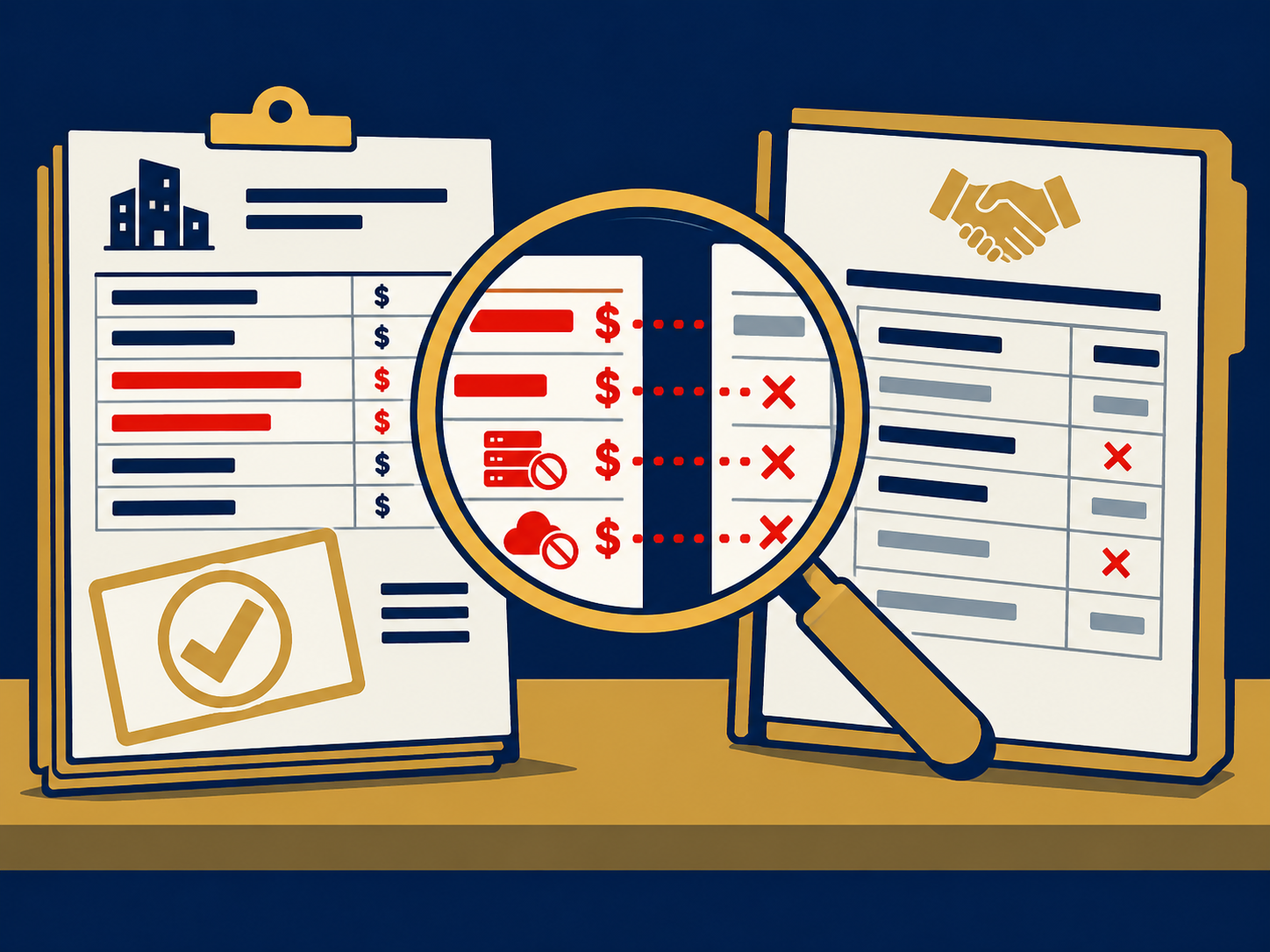
Most organizations have tools, and a compliance stamp confirming that a process existed at some point in time. What they don’t have is all three layers, owned, implemented, and connected to each other. Ownership of the governance layer typically sits with the security leader or CIO — but accountability for individual standards and procedures has to be distributed to the teams actually operating them. When that distribution doesn’t happen, the program exists on paper and nowhere else.
What It Costs You
Without the governance layer, your tools are unmoored. They’re running, generating alerts, producing reports — but there’s nothing above them establishing what good looks like. Which means there’s no way to know something is wrong until a tool change, an audit, or an incident tells you.
The slow-burn version looks like this: a mid-market company spends two years building compliance controls around their vulnerability management platform, then upgrades it. The new version doesn’t produce the same outputs. The controls no longer map to what the tool does. Nothing breaks loudly — the program just quietly stops existing, because it was never written down anywhere except inside that tool’s configuration.
The acute version is worse. The pen test finds the same open RDP port it found 18 months ago, because no procedure exists for verifying remediations were actually implemented, and no standard defines what an acceptable remediation window even is. The tool that should have caught it was configured at deployment and never adjusted since. Nobody owned the gap between “tool running” and “control operating.” The consequence isn’t just a failed pen test — it’s increased audit remediation cost, higher cyber insurance scrutiny, and ongoing operational overhead as teams compensate for controls that were never clearly defined. If a breach follows, you’re not explaining why the tool failed. You’re explaining why there was no process above the tool to catch it. That conversation happens with your board, your insurer, and potentially opposing counsel.
Three Questions to Ask Right Now
You don’t need a full audit to know whether this problem exists in your organization. Answer these without opening a vendor portal or asking your implementation partner:
- Who owns endpoint configuration standards - not the tool, but the standard the tool is supposed to enforce?
- What policy defines your acceptable remediation timeline for a critical vulnerability?
- What procedure verifies that a terminated employee’s access was actually removed, and who runs it?
If the answers live inside a tool, belong to a vendor, or exist only in a single administrator’s head, your security program is tool-driven rather than policy-driven. That’s a structural gap no additional tool purchase will close.
The Question to Ask Before the Next Purchase
Before any security tool evaluation, the right question isn’t which EDR has the best detection rates or which SIEM has the lowest per-gigabyte ingestion cost. The right question is: what policy standard does this tool implement, and who owns verifying that it’s doing that?
If you can’t answer that clearly, adding the tool adds complexity to a program that already has a missing layer. Building the governance layer first — the part that tells your tools what to enforce, tells your team what to own, and tells your board what your actual security posture is — is the prerequisite that no vendor will schedule a demo to sell you. Nobody is pitching it, because nobody makes margin on it. That’s exactly why it’s the part that never gets built.
If a peer got hit and your board is asking whether you’re exposed, that’s the conversation that matters right now — not which tool they were missing, but whether the governance layer above their tools was ever there. The organizations that can answer that before something happens are the ones who don’t have to answer it after.