A critical Splunk vulnerability was patched on June 10. Working exploit code went public on June 12. Attackers were actively using it by June 18. CISA ordered federal agencies to patch by June 21.
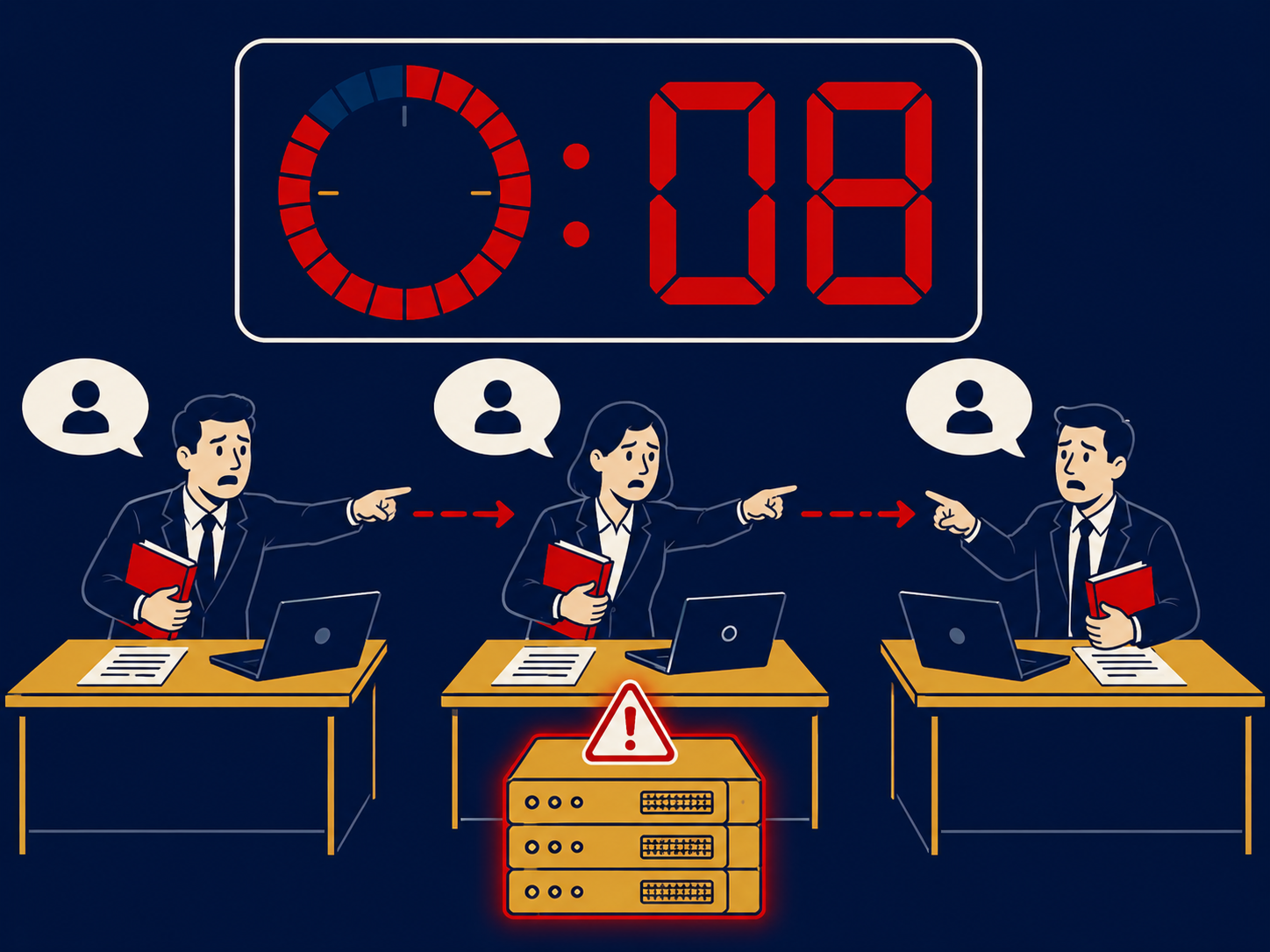
Eight days from patch to known active exploit.
That’s not an outlier. That’s the new normal. The window between a vendor releasing a fix and attackers using it has gone from weeks to days. In some cases, hours.
The real question isn’t whether Splunk is patched in your environment. It’s whether you knew you were running it, what version it was on, and who was responsible for fixing it before CISA issued a deadline.
Splunk Isn’t the Problem
CVE-2026-20253 is a 9.8 out of 10 on the severity scale. Attackers didn’t need credentials. They exploited an internal service that had no access controls on it at all. At the time of disclosure, more than 1,400 Splunk instances were exposed directly to the internet, most of them in North America.
That’s a serious flaw in a widely used product. But Splunk isn’t the story.
The story is that this exact pattern plays out every single month. A critical flaw is disclosed. Exploit code goes public. Active attacks are confirmed. An emergency patch deadline is issued. The vendor and CVE number change. The sequence doesn’t.
Ivanti. Joomla. cPanel. Fortinet. Now Splunk. Next month it will be something else running in your environment.
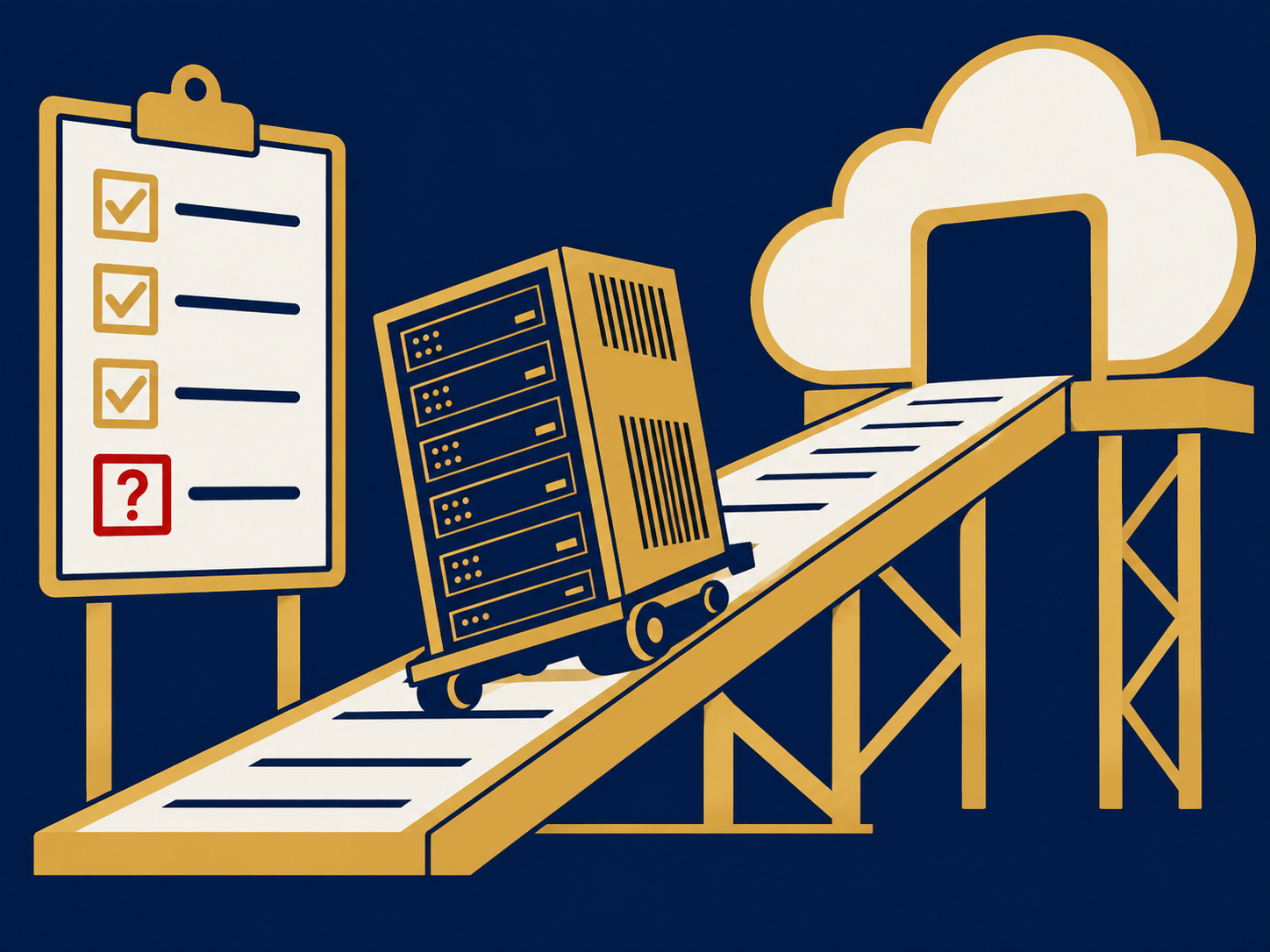
The organizations that handle these situations well aren’t the ones with the most security tools. They’re the ones who know exactly what’s running, what version it’s on, and who is accountable for patching it. That is an inventory and ownership problem, and most of the tools organizations already own can discover assets. What they can’t do is create accountability for those assets.
Where the Patch Process Actually Breaks Down
Most mature IT organizations have some kind of asset inventory. The list usually exists. That’s not the gap.
The harder problem is this: the people responsible for maintaining a system are often different from the people accountable for the risk it creates. That gap is where patch cycles fail.
Here’s what it looks like in practice. The security team sees the CVE. They check the inventory. Splunk shows up, but which instances? Which versions? Which teams own them? Some deployments were stood up by the infrastructure team three years ago. Some were set up by a business unit running their own logging pipeline. Some are in cloud environments that were spun up during a migration and never fully documented.
The conversation that follows isn’t technical. It’s organizational. Who owns this? Who has access to patch it? Who confirms it’s done?
That conversation takes time. When the window from disclosure to active exploit is eight days, time is the one thing you don’t have.
The Splunk vulnerability makes this even more dangerous. Splunk is often the system collecting your logs, generating your alerts, and feeding the dashboards that tell your security team what’s happening. An attacker who compromises Splunk doesn’t just gain a foothold. They gain the ability to cover their tracks and manipulate the very system you’re using to detect them. Your monitoring platform becomes your blind spot.
Three Questions Worth Asking This Week
These aren’t Splunk-specific. They apply to every security tool in your environment.
Do you know where it runs? Not just “we use this product” but specifically which instances, which versions, which environments, and which teams stood them up. If answering that requires more than one conversation, the answer is incomplete.
Who owns patching it? This is where most organizations have a gap they haven’t named out loud. Security tools in particular tend to live in the space between teams. The security team uses them, the infrastructure team maintains them, the cloud team provisioned the environment they run in. When a critical advisory lands, unclear ownership means delayed response. Delayed response in an eight-day window means exposure.
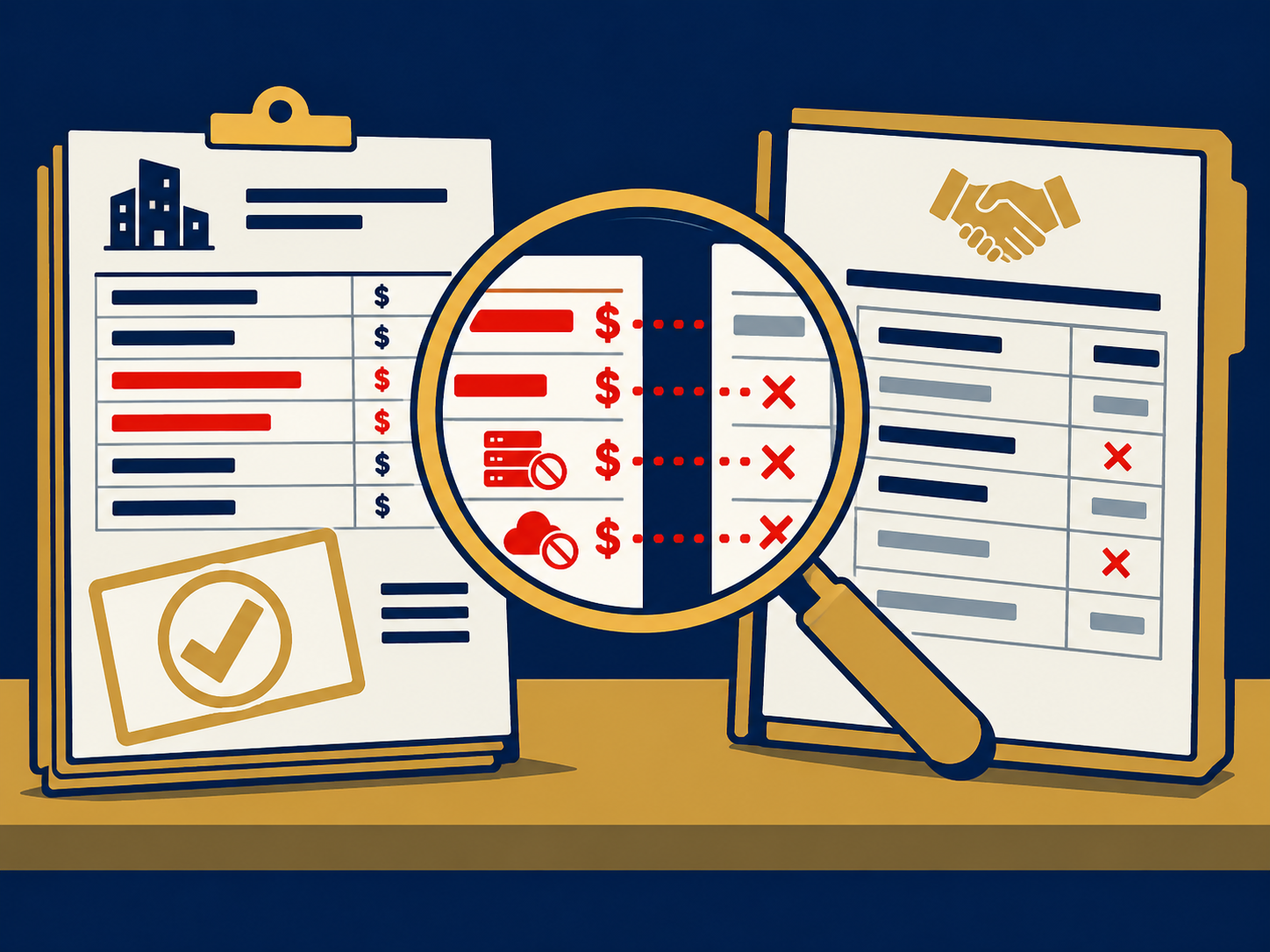
How do you know it was actually patched? A closed ticket is not a confirmed patch. Most organizations track patching through workflow tools that record when someone said they patched something, not independent verification that the vulnerable version is actually gone. That difference matters when the system in question is your SIEM.
None of these questions require new tools. They require organizational clarity that security spending doesn’t automatically produce.
What the Security Industry Gets Wrong
The security industry has a strong incentive to frame every vulnerability as a product problem with a product solution. Buy better coverage. Add an attack surface management tool. Deploy more agents.
Those tools have value. Most organizations already have platforms that can discover assets: CMDBs, IT asset management systems, attack surface management tools. Asset discovery is a largely solved problem in mature environments.
What those tools can’t do is create ownership. They can tell you that a Splunk instance exists on a specific host running version 10.2.1. They can’t tell you who is accountable for patching it, who verifies it got done, and who answers when it didn’t.
The Splunk CVE wasn’t sophisticated. It was an unauthenticated endpoint with no access controls. The bar for exploitation was low enough that a working proof-of-concept was publicly available within two days of the patch. What separated organizations that handled it quickly from those that scrambled wasn’t tool coverage. It was organizational clarity about accountability, and that’s not something any product ships with.
Does Any of This Sound Familiar?
You run Splunk or another security monitoring platform and you’re not certain which teams own patching decisions for it. You saw this CVE in the news and your first instinct was to check if you were running the affected version, not whether you had a clear owner for the response. You have security tooling that was deployed by multiple teams over multiple years, and you don’t have a single reliable picture of what version everything is on.
The lesson from Splunk isn’t that Splunk failed. The lesson is that every organization has a future Splunk somewhere in its environment right now. The next critical advisory will come. The question is whether you spend the first 48 hours patching it, or figuring out who owns it.