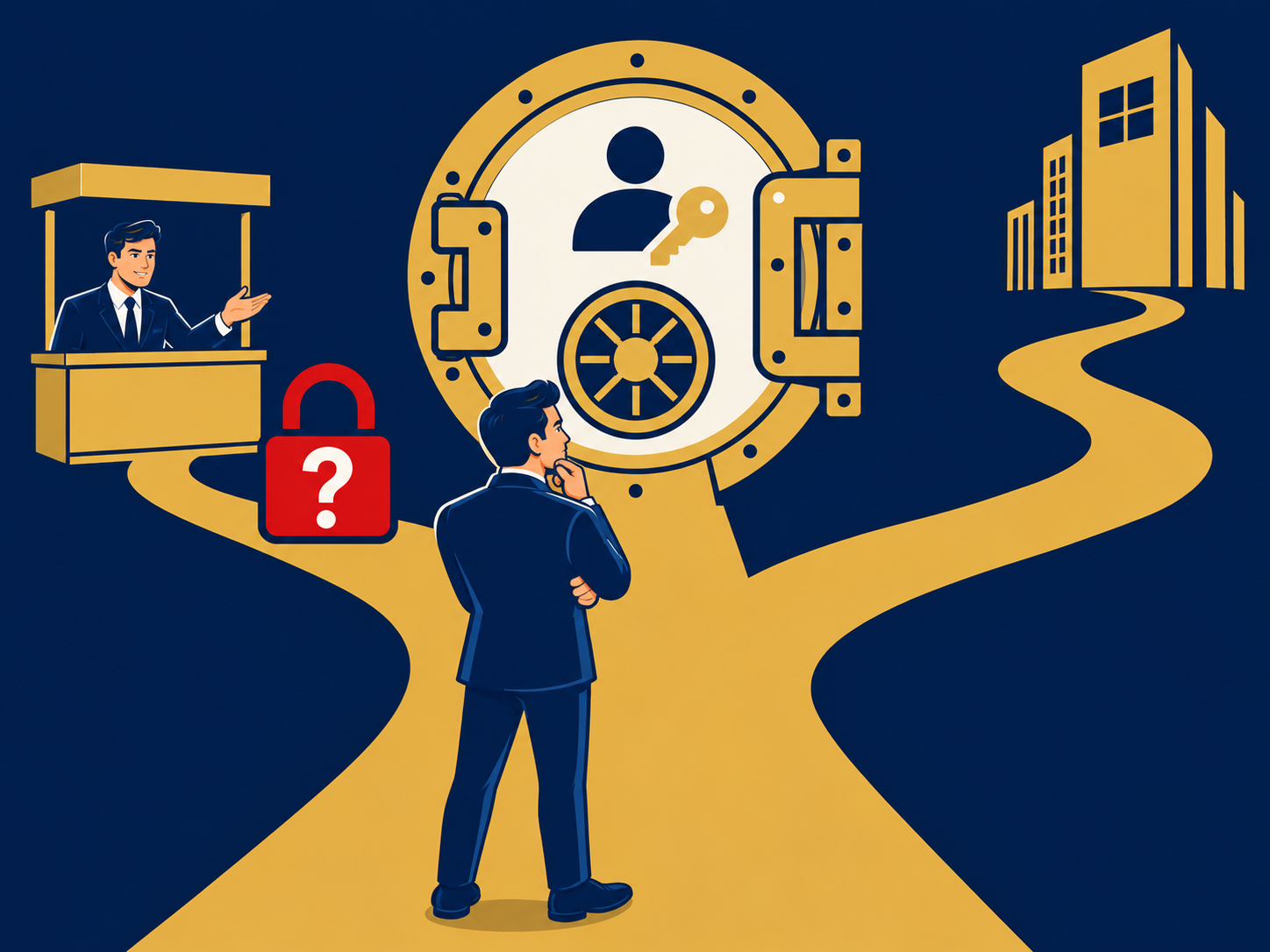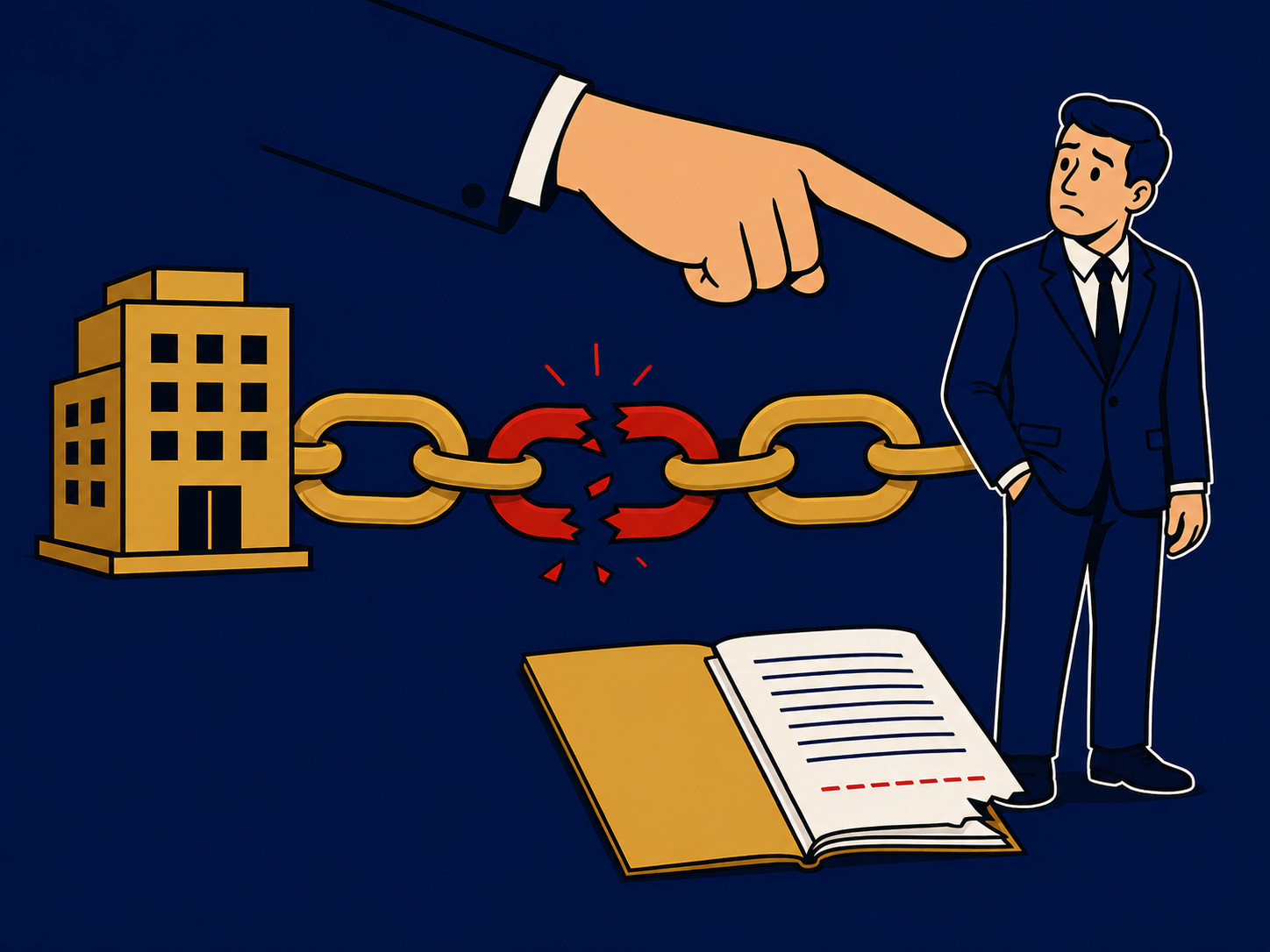
The vendor suffered the breach. The regulator calls you. The customer sues you. The board questions your vendor approval process. Nobody in that room asks whose code failed.
You can outsource the function. You can’t outsource the accountability.
When Change Healthcare was hit by ransomware in February 2024, healthcare organizations across the country couldn’t process prescriptions, submit claims, or receive payments for weeks. One known vendor, one breach, and the blast radius was larger than anyone had modeled. Their vendor was breached. Their liability didn’t care.
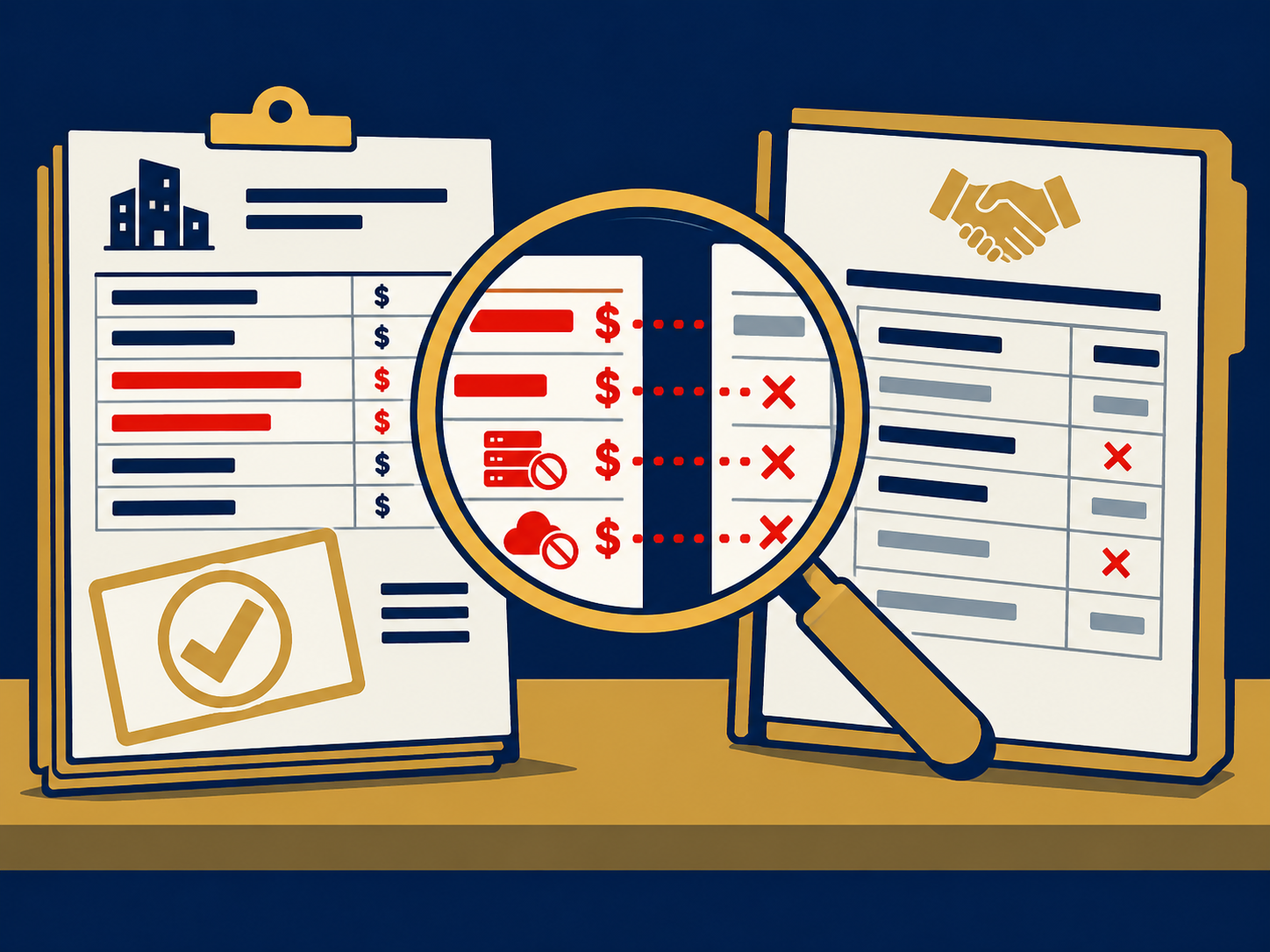
That’s the structural problem: vendor contracts define what the vendor owes you when something goes wrong. Regulatory frameworks define what you owe your customers, your auditors, and your regulators — regardless of who caused the incident. Those two documents were not written to align. The gap between them is the exposure most mid-market organizations are carrying right now, and most won’t find it until they need it.
Your Vendor’s Liability Ends at the SLA. Yours Doesn’t.
Regulators have made the accountability structure explicit. GDPR, CCPA, HIPAA, SOC 2 - every major framework places ongoing accountability on the organization that holds customer data. Not on the vendor that mishandled it. The vendor’s contract limits their exposure. Your regulatory obligation doesn’t move.
What this means in practice: when a vendor fails, your SLA gives you service credits. Your regulator wants evidence of due diligence, audit trails, and documented oversight. A well-constructed SLA - uptime percentages, response time commitments, escalation paths does nothing to satisfy the second requirement. It was never designed to.
Third-party involvement in data breaches hit 30% of all incidents in 2025, according to Verizon’s Data Breach Investigations Report. The organizations best positioned to respond weren’t the ones with the best vendors. They were the ones with visibility and oversight provisions already in place — because they’d negotiated them before the incident happened.
What Your Contracts Are Actually Missing
The provisions that create real accountability almost never appear in a vendor’s standard paper. They have to be negotiated and buyers who don’t know to ask for them don’t get them.
Termination rights are tied to process, not performance. Standard SLAs describe a multi-page credit calculation that requires you to document every outage, request credits within a defined window, and accept financial remediation as the sole remedy. The protection that actually changes the dynamic is simpler: the right to terminate without penalty if the vendor fails to meet defined thresholds. Buyers who have it negotiate from a different position than buyers who don’t. The right question before signing: what does “material breach” actually trigger in this contract, and what can we do about it?
Audit rights require defined deliverables to mean anything. A generic right to “request security information” means nothing. What matters is annual access to SOC reports, penetration test summaries, and documented evidence of remediation activity - named specifically in the contract. Without that, your only visibility into a vendor’s security posture is what they choose to share. Before you sign, ask: if you suffered a breach tomorrow, how quickly would we know, and what documentation would you provide within the first 48 hours? The answer tells you what you actually have.
Incident notification timing rarely matches your regulatory obligations. Standard vendor contracts include notification windows that can run 72 hours or longer. Your regulatory reporting deadlines may require you to notify customers or regulators in 24 hours or less. If those timelines don’t align, you’re exposed before the vendor does anything wrong. The gap was written into the contract at signing which means it can be closed there too.
Subprocessor disclosure is the visibility problem most buyers never think to solve. Your vendor uses other vendors. Those vendors use others. Without a contractual requirement for your vendor to maintain a current list of subprocessors and notify you before adding new ones, you’re governing the risk surface you know about not the one that actually exists. The question worth asking every vendor directly: who else has access to our data right now, and how would we know if that changed?
The Vendor You Approved Isn’t Always the Vendor You’re Running
This is where modern vendor risk has moved beyond what most standard contracts address at all.
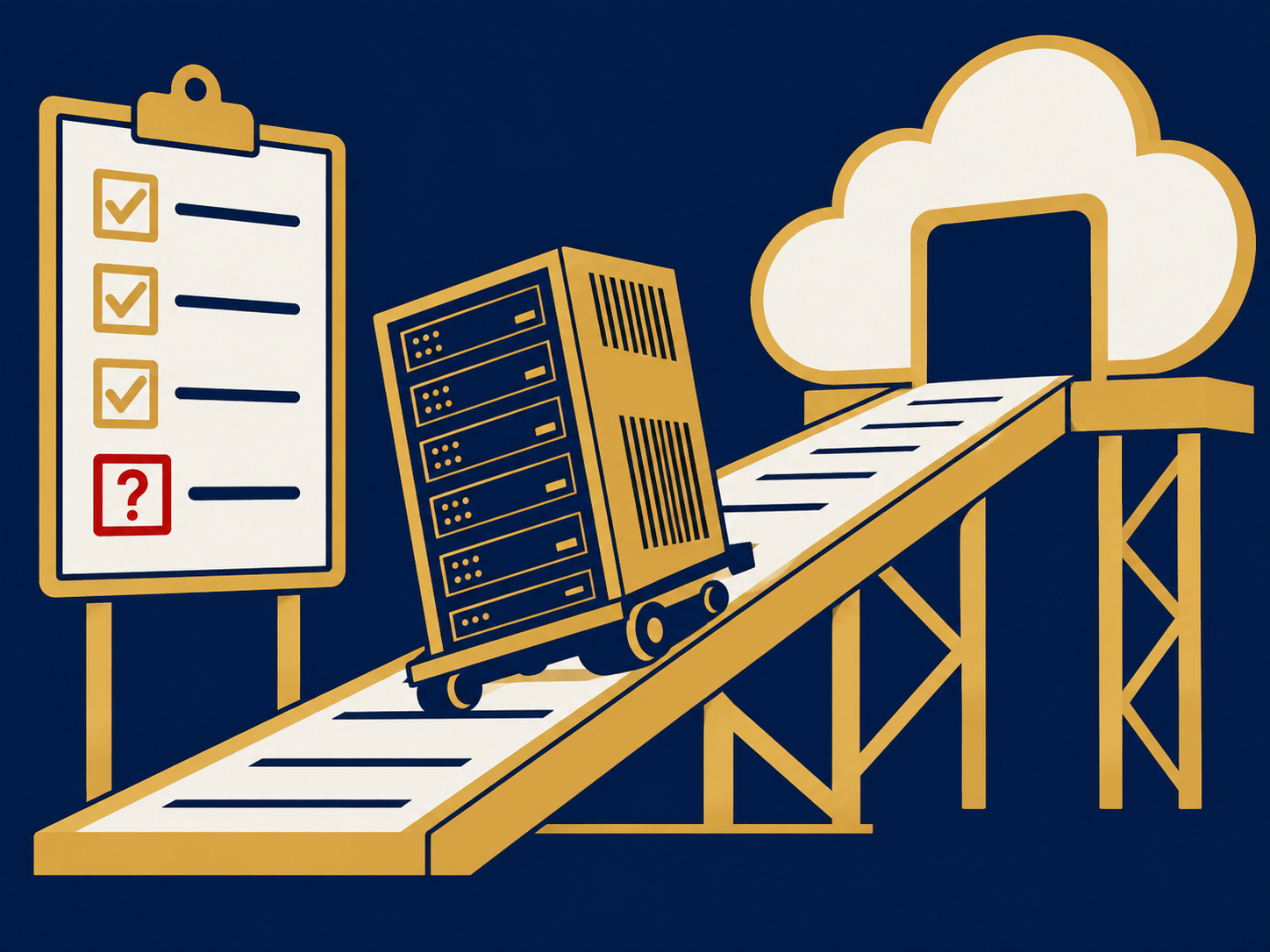
A tool that entered your environment as a notetaker or a project management assistant may now have access to email threads, internal documents, customer records, and approval workflows. The AI capabilities weren’t in the original contract — they didn’t exist at signing. The permissions expanded through product updates, without a formal re-evaluation and without anyone in your organization approving the new risk profile.
Explicit restrictions on how vendors use data processed through AI models and a notification requirement when those capabilities or integrations change are not in standard agreements. Most buyers don’t know to ask for them. The question worth putting to every vendor at renewal: which AI capabilities have been added to this product since we signed, and what data do they have access to?
Renewal Isn’t Administrative. It’s Your Last Opportunity to Buy Leverage.
Most mid-market IT teams inherit vendor contracts they didn’t negotiate. Renewal gets treated as a pricing conversation - confirm the rate, approve the PO, move on. That framing costs you the only window where the vendor has real incentive to negotiate.
Three questions worth getting answered in writing before any renewal: If you were breached tomorrow, how quickly would we know? Which subprocessors currently have access to our data? What contractual right do we have to verify your security controls? Vague answers tell you what the negotiation needs to accomplish.
The terms that weren’t in the original contract can be added at renewal. The notification timelines that don’t match your regulatory obligations can be corrected. The termination language buried in a multi-page SLA can be replaced with something that means something. That window is the renewal and it closes when you sign.