Max Clark (00:00.076)
In 2011, a company started mailing letters to coffee shops, hotels, bakeries, restaurants. What did these businesses do wrong? They offered their customers Wi-Fi. They bought a router off a shelf, plugged it in, put a password on a chalkboard, and for that, a company they’d never heard of demanded a few thousand dollars a location and sent out something like 10,000 of those letters. The people who made the equipment weren’t the target. The people who bought it were. A lot of them found out the hard way that nobody was contractually required to. Here’s the part that should stop you.
This is signed, the podcast for buyers and a market built for sellers. I’m Max Clark. This is a playbook episode, so it’s just me. It’s short and it’s practical. Today, the hidden bomb in your vendor contracts, specifically patent trolls, and the one clause that decides whether your vendor fights for you or hands you the bill.
Max Clark (00:59.15)
Quick thing up front, and I’ll repeat it later because it matters. I am not a lawyer, and nothing in this episode is legal advice. This is a buyer’s field guide, the questions to ask, and the words to look for before you sign. Take it to your actual counsel. Let’s get into it. First, what are we even talking about? A pay a patent troll, the polite term, is a non-practicing entity, an NPE is a company that doesn’t make anything and doesn’t sell anything. It buys old patents.
Usually broad ones, vaguely worded, written twenty plus years ago, but somehow made it through the patent office. Then it goes hunting for anyone whose product or setup could arguably fall inside that patent and it sends a demand. The business model is cold and it’s simple. Defending a patent lawsuit in federal court runs into the millions. So the troll sets its demand below that fifty grand, a hundred grand, sometimes just a few thousand. They’re not betting they’ll win at trial. Most of them rarely do. They’re betting that paying them is cheaper than fighting them.
And math being math, a lot of companies pay. Now here’s the move that turns this from a legal department headache into a buyer problem. For years, trolls mostly went after the big technology makers, but more and more they skip the maker entirely and sue the user, the company that bought the technology and just uses it. Go back to those coffee shops. The troll didn’t sue the company that built the Wi Fi chips, it sued the cafe, the hotel, the supermarket, businesses that bought standard off the shelf gear and turn it on.
Their crime was using the thing they paid for the way everyone uses it. Some of them got lucky. Equipment makers at Cisco, Motorola, and others stepped in to defend their customers because they had the resources and the motive to fight. But notice what that what that depended on. Somebody choosing to stand in front of you. A favorite, not a guarantee. The smaller shops that didn’t have a big vendor riding to the rescue, they were on their own, staring at a bill that was cheaper to pay than to fight.
And before you tell yourself this is old news from 2011, it’s not. In 2025, non practicing entities were behind more than half of all patent lawsuits filed in the United States. In high tech specifically, it was north of ninety percent. Filings jumped more than twenty percent year over year, and more than half these companies, these trolls target do under $25 million in revenue. They are not all chasing Apple and Google. They are chasing companies your size because companies your size settle. The average cost to defend one of these suits is around four million dollars.
Max Clark (03:24.078)
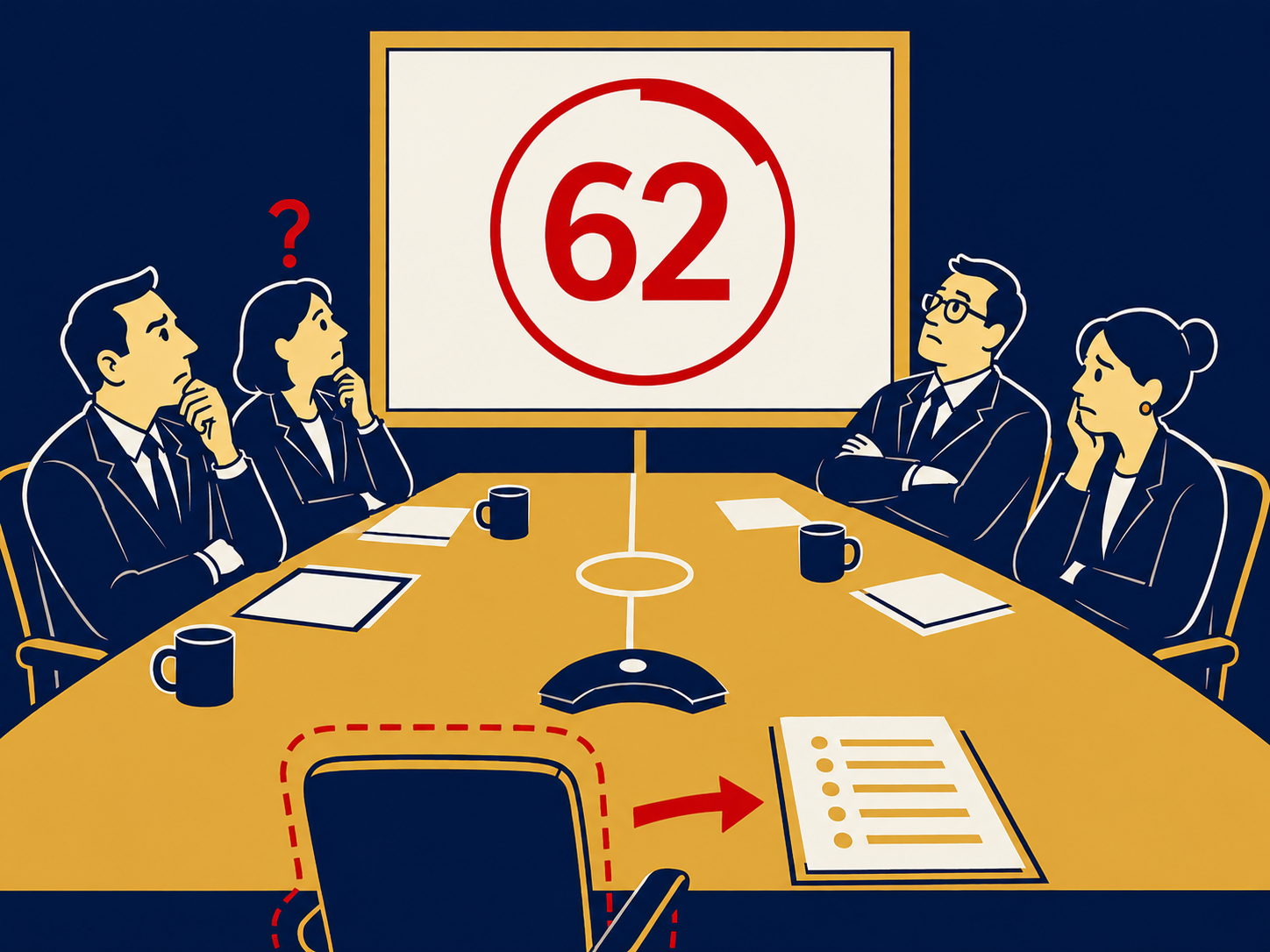
So when a troll asks for a few hundred grand to make it disappear, the spreadsheet practically fills itself out. That’s the trap. It’s engineered so the rational move is to pay whether or not you did a single thing wrong. So here’s where this lands for you and why it’s a signed episode and not a true crime story about patent law. Here’s what most buyers get wrong about a contract. You read it like a two-party deal, you and the vendor. What do they owe me? What do I owe them? But in this story, there’s a third party who never signs anything.
Never sits at the table, never comes up in the negotiation, the troll. And you don’t get to negotiate with them. The only thing standing between you and that third party is the contract you signed with the second one, your vendor. So this paper isn’t just a deal between you and the seller. It’s your shield against someone you won’t meet until they’re suing you. When that lawsuit shows up at your door over software you license, a platform you run on, hardware sitting in your closet, your first instinct is to call the vendor and say, this is your product, you handle it.
And in that moment, one document decides what happens next. The contract you signed. Specifically, a clause most buyers scroll right past on the way to the signature line. Indemnification. That clause is the bomb. It’s quiet for years, then one letter arrives and it goes off, and you find out after the fact whether your vendor is standing next to you or whether they’re allowed to just watch. Here’s the structural piece, and it’s the whole reason this show exists. That contract was not written to protect you.
It was written by the vendor’s lawyers to protect the vendor. That’s not villainly. It’s just whose paper it is. The market is built for sellers, not buyers. And the default contract is the cleanest proof of that you’ll ever see. The protection you need is available. It’s just not there by default. You have to know to ask for it before you sign while you still have any leverage at all. So let’s make you dangerous in about four minutes. Three things to look for. You don’t have to draft them. You have to know they exist so you can ask.
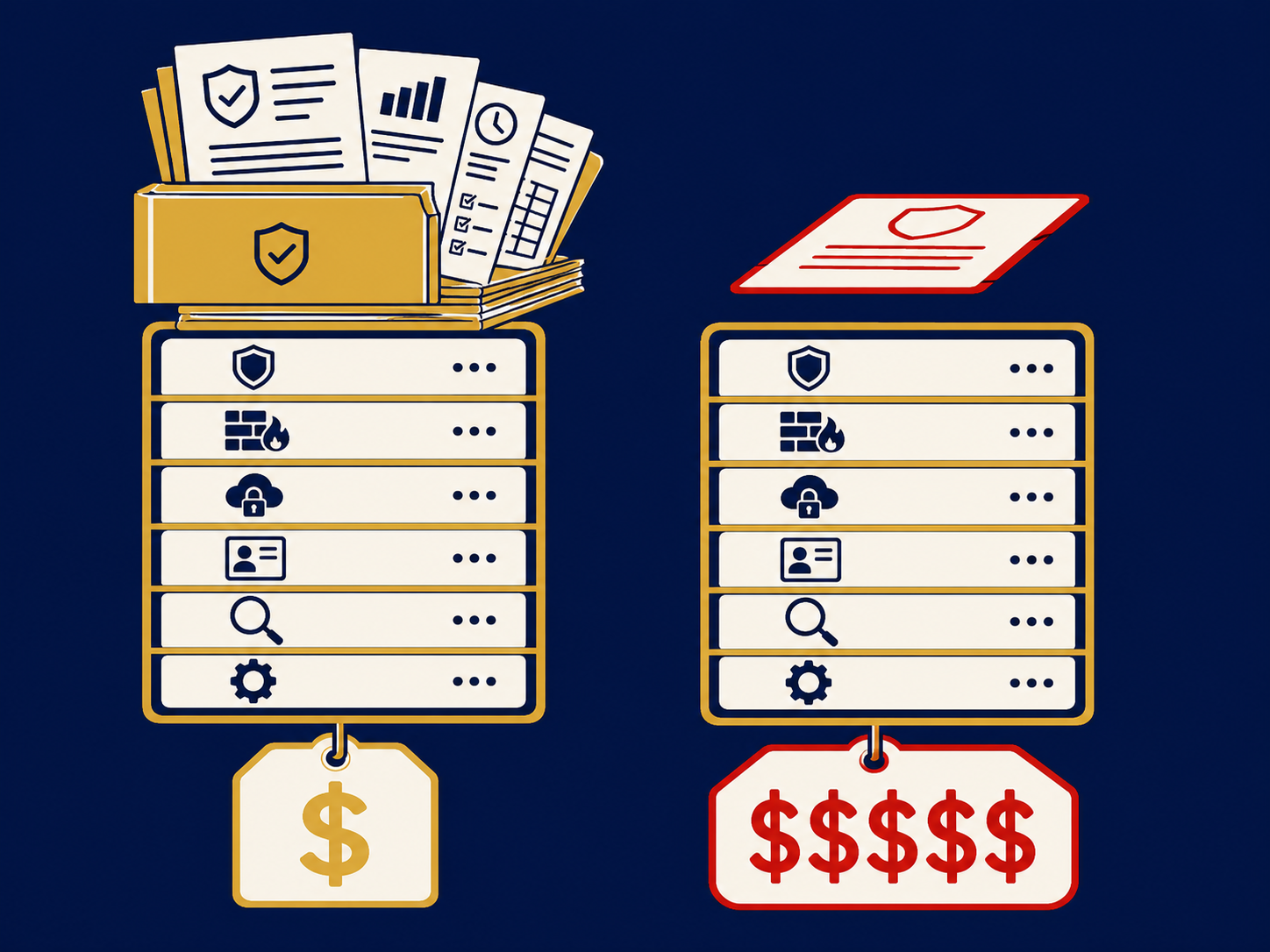
Number one, is there an IP indemnity at all? And does it include a duty to defend? An IT an IP indemnity is the vendor’s promise that if someone sues you claiming their product infringes on a patent, they’ve got it. Sounds basic. Plenty of contracts don’t have one or bury a weak version. But here’s the distinction almost nobody catches. Defend and indemnify are two different promises. A duty to defend means the vendor hires lawyers and fights from day one.
Max Clark (05:51.545)
They pay as they go. A duty to indemnify by itself only often only kicks in at the end after a judgment, which could be years and millions of dollars later. So a contract that says they’ll indemnify you but never says they’ll defend you can leave you fronting the entire war and maybe getting paid back someday. You want the word defend in there out loud. Number two, the combination loophole, and this is the sneaky one.
Almost every IP indemnity has a carve out that says, we’re not responsible if the claim comes from our product being combined with something else. Other software, your systems, hardware we didn’t provide. On its face, that sounds fair. In practice, nothing operates in isolation. Your software touches your network, your data, your other tools, always. And trolls know this. They deliberately write their claims around the combination, precisely so the vendor’s standard carve out swallows the entire promise.
You thought you were covered, the loophole quietly uncovered you. The move here isn’t to delete the carve out, it’s to narrow it so it doesn’t apply to the normal intended way you actually use the thing. Number three, the liability cap. This is where a real protection turns into theater. Buried near the end of most contracts is a limitation of liability, a ceiling on what the vendor can ever owe you. Very often it’s set to the fees you paid them over the last 12 months. Now do the math.
You pay a vendor two grand a month, your cap is twenty-four thousand dollars. A troll sues you for half a million dollars. Even if your indemnity is perfect, it’s capped at twenty-four grand and you’re holding the rest. A capped IP indemnity against an uncapped lawsuit isn’t protection. It’s a decoration. What experienced buyers do is carve IP infringement out of that cap entirely or set a separate, realistic number just for it. So indemnity with a duty to defend.
A combination carve out that doesn’t eat the whole promise, and IP claims carved out of the liability cap. Those three, that’s the diffusing kit. Two quick bonus items while you’re in there. One, who controls the settlement? Vendors usually keep the right to run the defense and settle. Fine. But you want to say if the settlement would admit fault on your behalf or stop you from using the product you depend on. Two, watch the notice window.
Max Clark (08:11.341)
Some contracts say you have to tell the vendor about a claim within like 10 days or you lose the coverage. Miss it and the protection you negotiate it evaporates over a calendar technicality. Now the actual buyer move, the reason any of this matters. You do not need to become a patent lawyer. You need to know these questions exist and you need to ask them at the one moment you have power before you sign. Once your name is on the line, your leverage is gone and you can’t renegotiate indemnification after a troll is already at the door.
The asymmetry is the whole game. This contract is a routine for the vendor. Their team does this every week. For you it’s a once every few years event. They’re fluent. You’re a tourist. And the paper reflects exactly that. Closing that gap, putting someone in the room who reads the stuff every day on your side of the table, that’s the entire idea behind what we do. But even if you never call anyone, just asking these three questions out loud changes the conversation. Vendors answer differently when they realize you know where the bombs are buried. Okay.
The part I’d promised I’d repeat, I am not a lawyer. This is not legal advice. It’s a buyer’s orientation, so you know what you’re looking at and what to ask. Every contract is different, every situation is different, and your actual attorney is the one who should be redlining your actual paper. To make that easier, we put together a one-page field guide that goes with this episode. It’s the three clauses in plain English, the questions to ask, and what a buyer-friendly version tends to look like, something you can hand straight to your counsel or your vendor.
It’s free and it’s linked in the show notes and there’s a download link on the screen. Grab it before your next renewal. Here’s the thing about hidden bombs. They don’t look like anything. The contract closed, the project shipped, everyone moved on. The clause just sits there being boring until the day it isn’t, and by then you can’t touch it. So the move is boring too. Read the indemnification clause before you sign, ask the three questions, get the protection while you still can. That’s how you buy tech without regret. I’m Max Clark. This was signed.
I’ll see you on the next one.