Every Security Vendor Has AI in the Deck. Here's How to Tell If Any of It Is Real.
June 12, 2026

Every security vendor has AI now. It’s in the deck before hello. It’s in the product name. It’s the answer to every question about detection, response, and analyst efficiency.
None of that tells you what you actually need to know.
The real question isn’t whether a vendor has AI. It’s whether the AI reduces risk, reduces workload, or reduces cost in your environment without creating new operational problems.
You have 45 minutes. Here’s how to use them.
Start Here: What Percentage of Your Customers Actually Use This in Production?
This is the strongest question in the evaluation — and most buyers never ask it.
Vendors can find one success story. They can find one happy reference. They cannot fake broad adoption.
Ask for the percentage of customers actively using the AI capability in production today. Then ask why customers who aren’t using it chose not to.
Ten percent adoption tells you something. Eighty-five percent tells you something very different. Low adoption almost always has a reason: false positive rates that undermine analyst trust, complexity that exceeds what lean teams can manage, licensing costs that gate the AI behind a higher tier, or operational risk that legal or compliance flagged after deployment.
The adoption number is the single most honest signal a vendor gives you. Get it before anything else.
The Question That Forces Evidence Over Claims
Once you have the adoption number, ask this:
“What specific outcome improved for a real customer because of your AI — and can I talk to that customer?”
Not “what does your AI do.” Not “how does your AI work.” What specific outcome improved, for a real customer, and can you verify it.
A vendor with real AI outcomes has this answer ready. It comes quickly and specifically: “Our SOC customers went from 45 minutes per alert to under 5 minutes. Here’s who you can call.”
A vendor without real AI outcomes routes you back to the demo. They describe the capability again. They offer a reference who will speak to the product generally but not to the AI specifically. That routing is the answer.
When you ask for a reference, ask specifically for a customer in a similar industry, similar size, and similar regulatory environment who will speak to AI-driven outcome improvements — not platform satisfaction generally. A 10,000-person technology company proving SOC efficiency means very little to a 250-person healthcare organization.
The Questions That Tell You What the AI Actually Does
What decisions can your AI make autonomously — without analyst approval?
Not assist. Not recommend. Not summarize. Actually decide and act. Can the AI close alerts, quarantine endpoints, disable accounts, or block traffic without a human in the loop? Or does it generate recommendations that an analyst still has to evaluate?
This separates operational AI from reporting AI. A platform that surfaces insights faster is valuable. A platform that takes action is a different category entirely — with different risk implications, different governance requirements, and a much higher bar for trust. Know which one you’re buying.
What’s the specific metric, and what was the baseline before your AI?
A real outcome has a before and after. “Our AI reduces alert triage time” is a claim. “Customers averaged 45 minutes per alert before deployment and under 5 minutes after, measured across 90 days of production data” is evidence. Push further: how much analyst time does that translate to per week for a team your size? Hours recovered per week connects to headcount, burnout, and backlog in ways a percentage reduction never does.
What does your AI do when it’s wrong?
Every AI model produces false positives. A vendor who can describe their false positive rate, their correction mechanism, and what happens to analyst workflow when the AI misfires has deployed this in a real environment. Defensiveness about failure modes is a reliable signal they haven’t been solved yet.
Show me an example where the AI got it wrong.
This is the most operator-style question in the evaluation. Ask for a specific failure scenario — what happened, how it was corrected, what safeguards existed, and what the business impact was. Every mature product team has this answer ready. Immature teams avoid it. The willingness to engage directly tells you more than the answer itself.
The Integration Reality Most Demos Hide
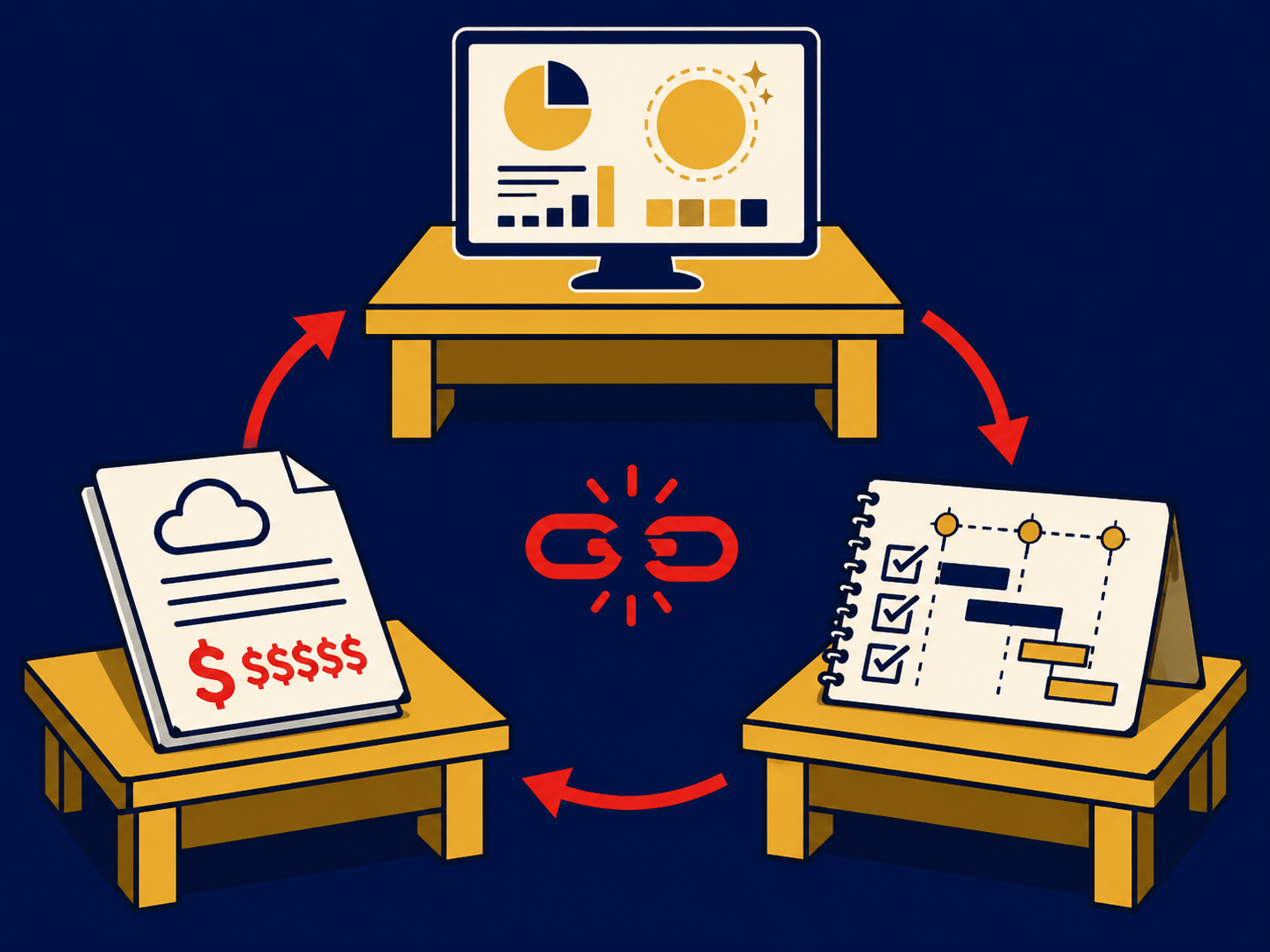
AI capabilities look extraordinary in demos because everything is connected — SIEM, EDR, IAM, email, ticketing, asset inventory. Then you buy it and discover the AI only works well after eight integrations and six months of tuning.
Before the demo ends, get answers to these:
- What data sources are required for the AI to function as demonstrated?
- What integrations are mandatory versus optional?
- How long before meaningful results appear in a real environment?
- What tuning is required after deployment, and who owns it?
- What does ongoing maintenance look like 12 months after go-live?
These answers matter more than most of the AI discussion. A capability that requires 18 months of integration work to deliver value is a different buying decision than one that produces results in 90 days.
The Cost Question Nobody Asks Until It’s Too Late
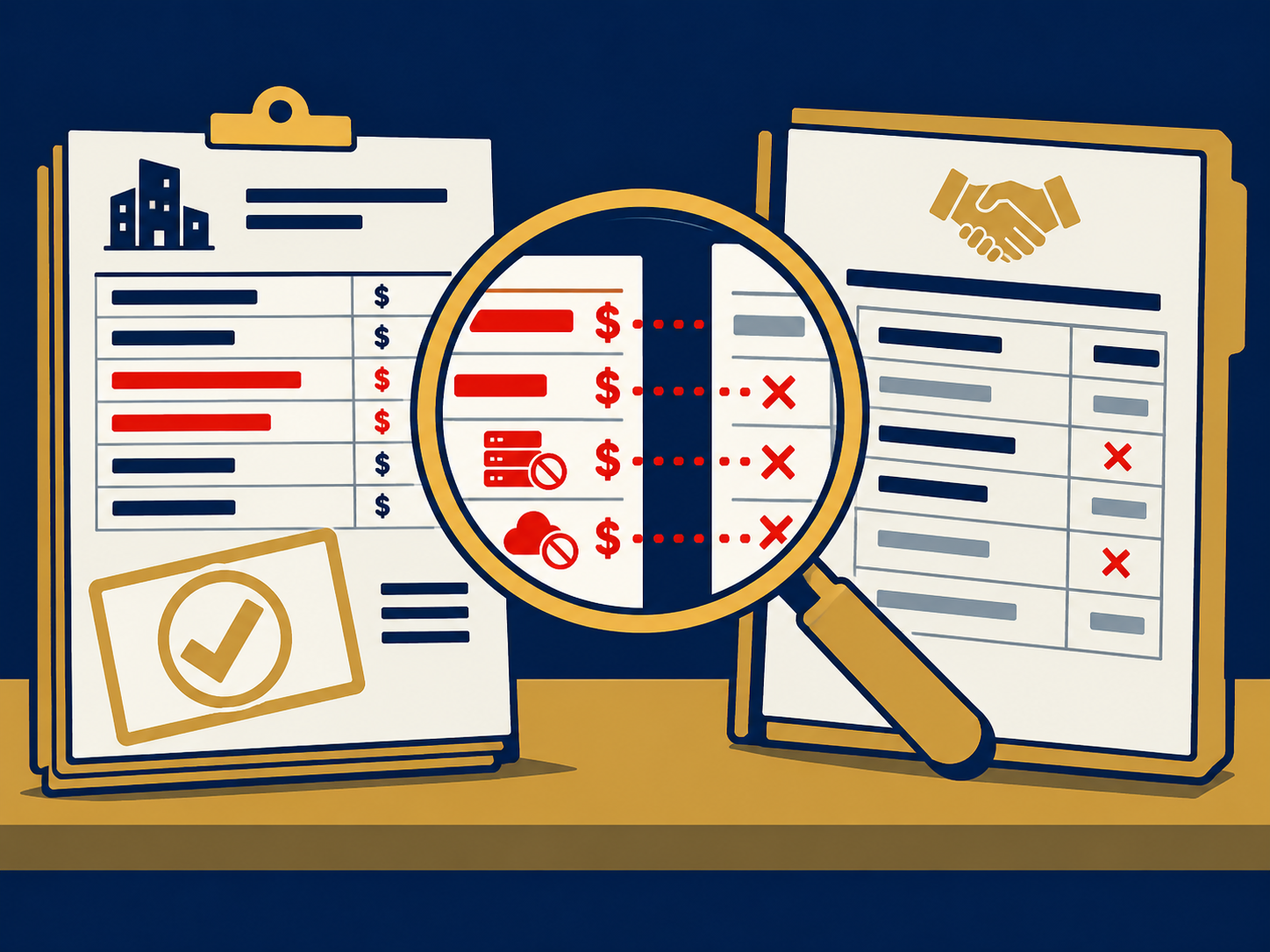
The article never asks whether outcomes justify the spend.
Before you commit, ask: what would I stop paying for if I buy this?
- Can I reduce MDR spend?
- Can I reduce contractor reliance?
- Can I avoid another analyst hire?
- Can I consolidate tools I’m currently running in parallel?
If the answer is “nothing changes, you just get more AI” — that’s a complete answer. The AI may work exactly as described and still not justify the investment if it doesn’t displace something you’re currently paying for.
The Security Architecture Questions Legal Will Ask
For regulated environments, these questions often determine whether the product survives legal review — and they almost never come up in the demo.
- Where is my data processed — customer tenant, shared tenant, vendor cloud, or third-party LLM?
- Is customer data used for model training?
- Can model training on customer data be disabled?
- What data leaves my environment, and in what form?
- Is data residency supported for my compliance requirements?
For healthcare, financial services, government, and manufacturing, these aren’t edge cases. They’re the questions that determine whether procurement can proceed at all. Get the answers in writing before the evaluation goes further.
The Governance Questions Your Compliance Team Will Eventually Ask
Can AI outputs be audited? When an AI recommendation led to an action — or failed to flag something that became an incident — can you reconstruct that decision chain afterward? Boards, insurers, and regulators are beginning to ask this question. Know the answer before you’re in that conversation.
Can the AI explain its recommendations? “The AI flagged this” is not an acceptable answer during an incident review or a compliance audit. The platform needs to describe what signals triggered the recommendation and why. If the AI operates as a black box, your analysts can’t learn from it and your auditors can’t validate it.
Who is accountable when the AI makes a wrong call? This is the question legal will ask. The contractual answer — who bears liability when an AI-assisted decision leads to a missed incident or a false action — is worth understanding before the contract is signed, not after an incident surfaces it.
Red Flags to Watch for in the Demo
The demo environment is doing the work. Every vendor demos in a clean environment. The red flag is when they can’t describe how the AI behaves in a real-world environment — high alert volume, noisy data, misconfigured integrations.
The roadmap is doing a lot of work. When real AI outcome evidence consistently lives on the roadmap rather than in current production, the AI you’re buying today is the foundation for a capability that doesn’t exist yet.
The pricing changes when you ask about the AI specifically. If the AI featured in the demo requires a different package than the one being quoted, surface that before the proposal arrives.
The Buyer Evaluation Checklist — Use This During Every Demo
If you only ask three questions, ask these:
- What percentage of your customers are using this in production today?
- What specific measurable outcome improved — and can I talk to a customer who experienced it?
- What would I stop paying for if I buy this?
Everything else in this checklist builds on those three.
Print this. Use it in the room. Require written responses to each area before the demo is scheduled.
Adoption ☐ Percentage of customers actively using the AI capability in production ☐ Reasons for non-adoption among customers who aren’t using it
Outcomes ☐ Specific before-and-after metric with baseline and post-deployment comparison ☐ Analyst hours recovered per week for a team your size ☐ Reference customer in similar industry, size, and regulatory environment — speaking specifically to AI outcomes, not platform satisfaction
Automation ☐ Specific actions the AI can take autonomously without analyst approval ☐ Conditions under which autonomous action is enabled or restricted
Integration ☐ Required data sources and mandatory integrations ☐ Time to meaningful results in a real environment ☐ Tuning requirements and ongoing maintenance ownership
Cost Justification ☐ What you would stop paying for if you buy this ☐ Headcount, contractor, or tool consolidation impact
Failure Modes ☐ False positive rate and correction mechanism ☐ Specific example of AI getting it wrong and how it was handled
Security Architecture ☐ Where data is processed ☐ Whether customer data is used for model training and whether that can be disabled ☐ Data residency support
Governance ☐ Audit trail for AI-generated recommendations and actions ☐ Explainability of AI recommendations ☐ Contractual accountability for AI-assisted decisions
A vendor who can’t respond to these areas in writing before the demo hasn’t deployed this in a way that will survive your environment. That’s useful to know before you spend 45 minutes in the room.
Every vendor in this category has AI in the deck. Most can’t answer the questions above with specifics — because the AI lives in the demo environment, not in production at organizations that look like yours.
That’s the filter. The vendors who answer with evidence, reference customers who will take your call, and adoption numbers that reflect real deployment are a short list.
If you’re building a security vendor shortlist and want independent validation before you commit — not after three weeks in rooms with vendors who all sound the same — that conversation starts here →