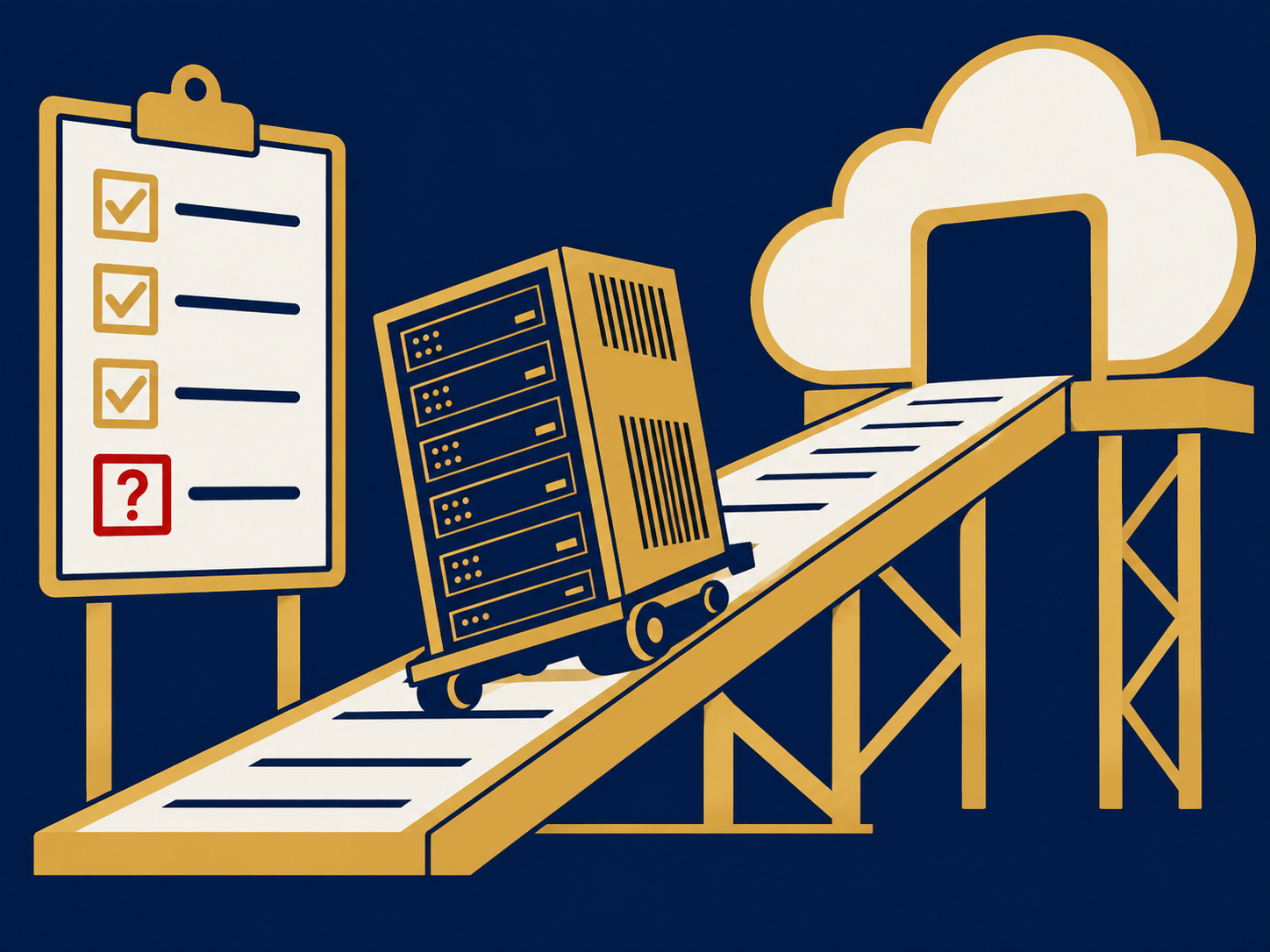
You think you’re deciding which FinOps platform gets your cloud bill down. That’s not the decision in front of you. The real one is whether the person accountable for this cost has the authority to change it. A platform can show you the cost and even build a workflow around it. It can’t decide who has the authority to trade engineering priorities for lower spend.
Here’s what that looks like when it goes wrong. A VP once spent weeks building a plan to cut an eight figure cloud bill. He walked into one meeting with engineering. Three words killed it: not my KPI. Nothing was wrong with his plan. The problem was that he owned the mandate and someone else owned the work.
Why identified savings don’t become real savings
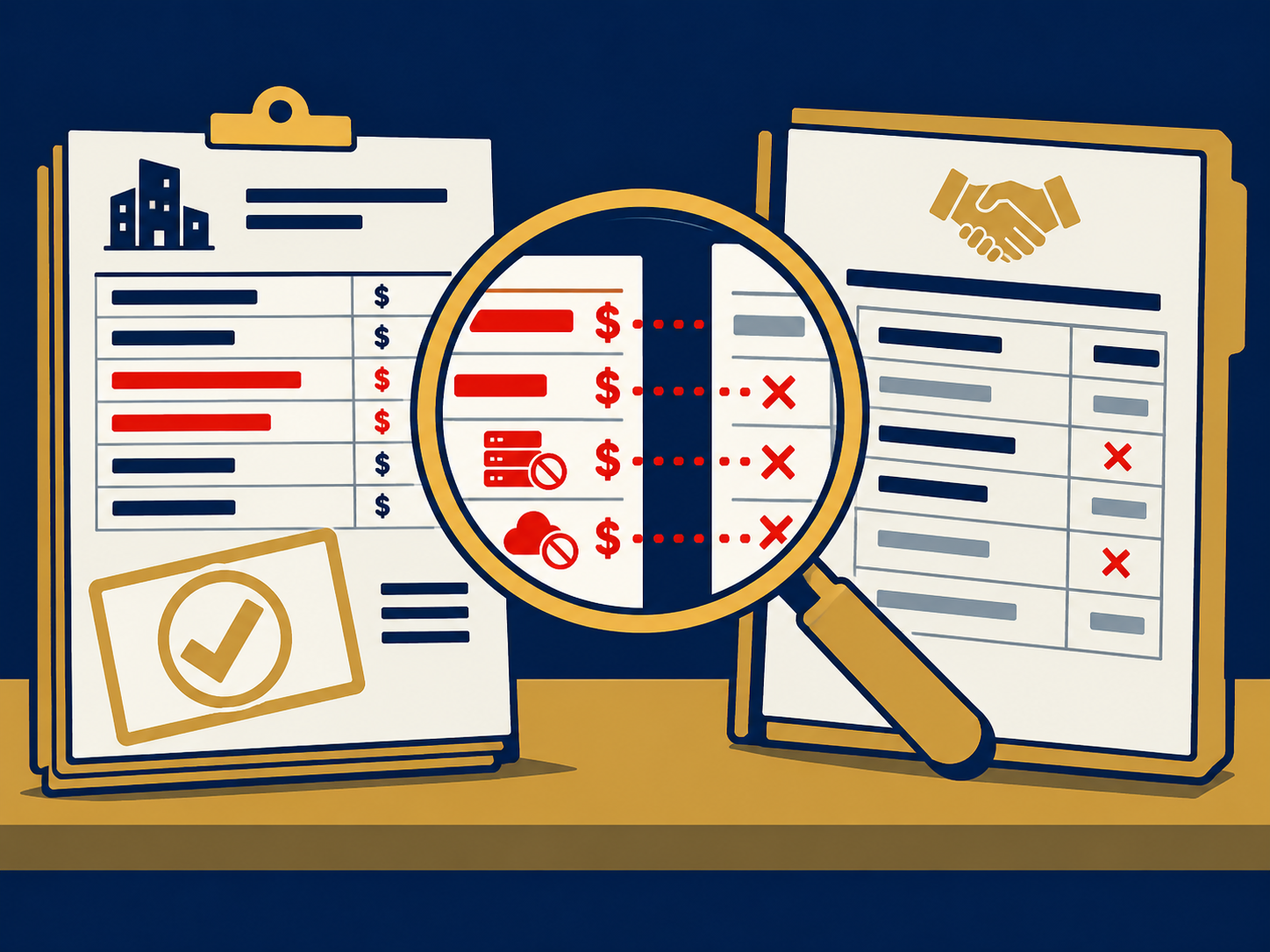
The business case usually leads with the total opportunity. What matters is how much of that opportunity your organization can actually execute. Some savings cost your organization nothing to make. Orphaned resources and idle instances, nobody has to defend those, and a tool can usually find them for you. Other savings only happen if someone with real authority decides engineering’s time is worth spending on this instead of shipping. The pitch shows you one number. It doesn’t tell you which half of it you’ll actually collect.
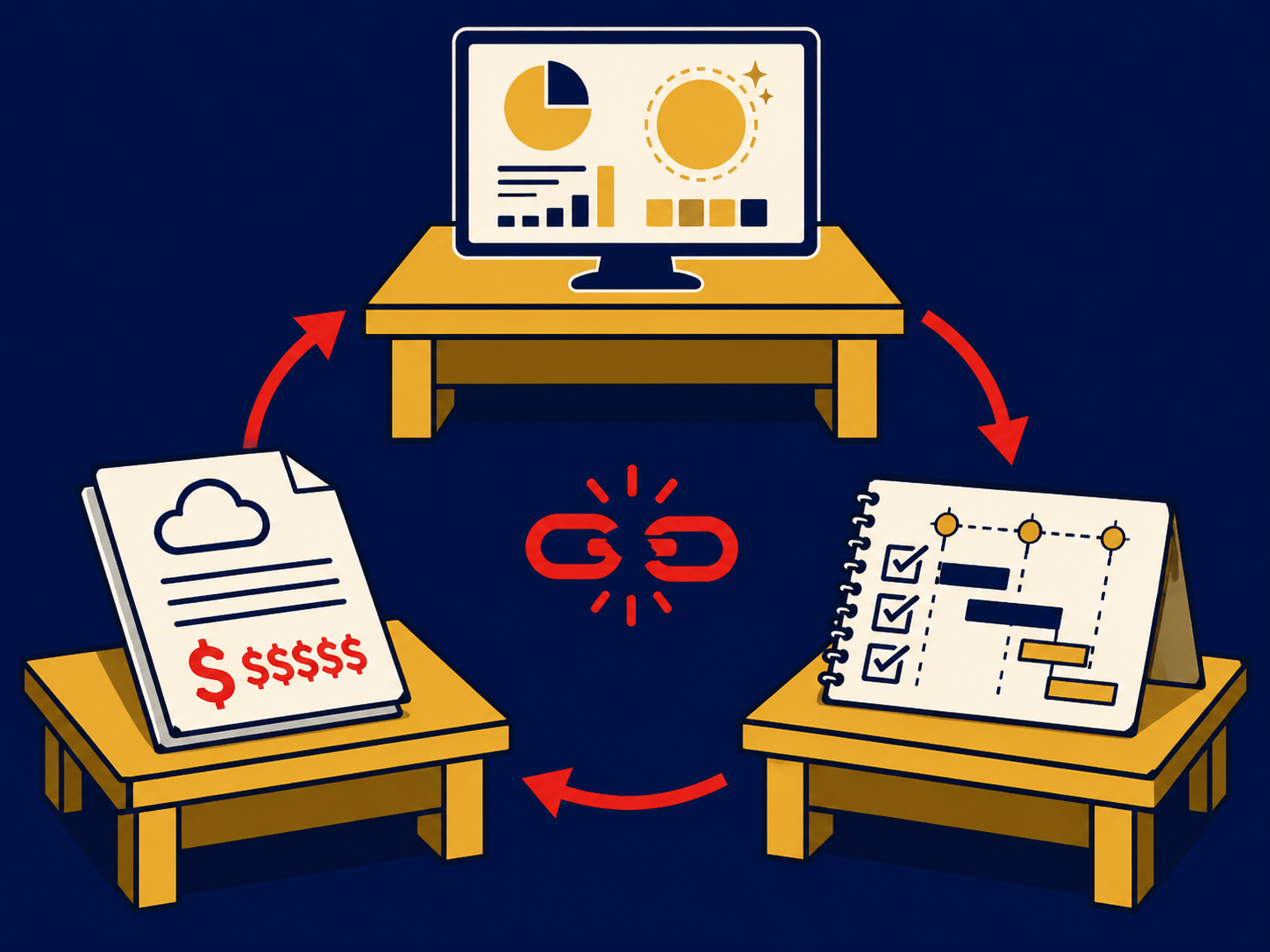
Here’s what that split actually looks like inside most companies. Engineering generates the cost by running what it builds, but it’s measured on shipping and uptime, not on the bill. IT gets handed the bill and the mandate to bring it down, but can’t walk into engineering and redirect the roadmap. Finance owns the budget and wants the number lower, but can’t touch how anything is architected. Three seats, three different mandates. The bill lands on whichever one has the least power to change it.
Run this before you spend a dollar on another cloud cost initiative
Name the owner of the cost. Whoever’s name is on the number when it climbs, that’s accountability.
Name the owner of the fix. Whoever controls the roadmap and the sprint, that’s authority.
Are they the same person? They don’t have to be. But there needs to be a clear way to turn a cost decision into an engineering priority. If nobody can force that tradeoff, you have a savings target with no way to execute it.
Is the cost tied to what it delivers, not just what it costs? Some workloads show up as revenue. Others, security, backup, identity, don’t generate revenue directly but still need to earn their keep against what they protect or enable. A number with nothing attached to it doesn’t help anyone decide anything.
Does that picture reach the executive team? Visibility only moves the decision if it lands with the people who can reprioritize across teams.
Does engineering actually have room for this work? Their time is already spoken for by shipping and uptime priorities. A savings recommendation with no room in the roadmap isn’t savings yet. It’s a backlog item waiting on a decision nobody’s made.
If the owner of the cost has no reliable path to the person who controls the fix, that’s an ownership gap. No answer on item four, that’s a visibility gap. No answer on item six, that’s a capacity gap. A better platform may expose all three. It won’t resolve any of them.
How one company turned visibility into a business decision
One company did this well. They tagged cost across every environment, cloud and data center both, and reported it straight to the executive team, framed simply: this is what it costs, this is what it generates. Once leadership could see that picture directly, they killed off products that looked profitable on the top line but ran at bad margin, and moved those resources into what actually made money. The tool didn’t make that call. The decision changed because the economics reached the people with authority to act.
An independent advisor gets paid the same regardless of which platform you choose, or whether you choose one at all. That’s what lets someone name the ownership gap before you spend on tooling, not after. If a board initiative is what’s driving this review, that’s the moment worth mapping before you talk to a single vendor.