
Ask a CTO at a mid-market company what security framework their organization follows and you’ll hear NIST, SOC 2, or CIS Controls. Ask their underwriter what framework shaped last year’s security roadmap and you’ll get a different answer.
Cyber insurers have quietly become one of the most influential forces shaping security priorities in the mid-market. Not through policy papers or industry consortiums. Through the renewal questionnaire — the document that determines whether you get coverage, what you pay for it, and what happens to your claim when something goes wrong.
The cyber insurance application has become a legal document with real consequences. Most organizations are still treating it like a questionnaire.
What Changed in Underwriting
Ten years ago, a cyber insurance application was a few pages of general questions. Carriers were pricing risk without visibility into what controls actually existed. Then ransomware claims started compounding and underwriting changed fundamentally.
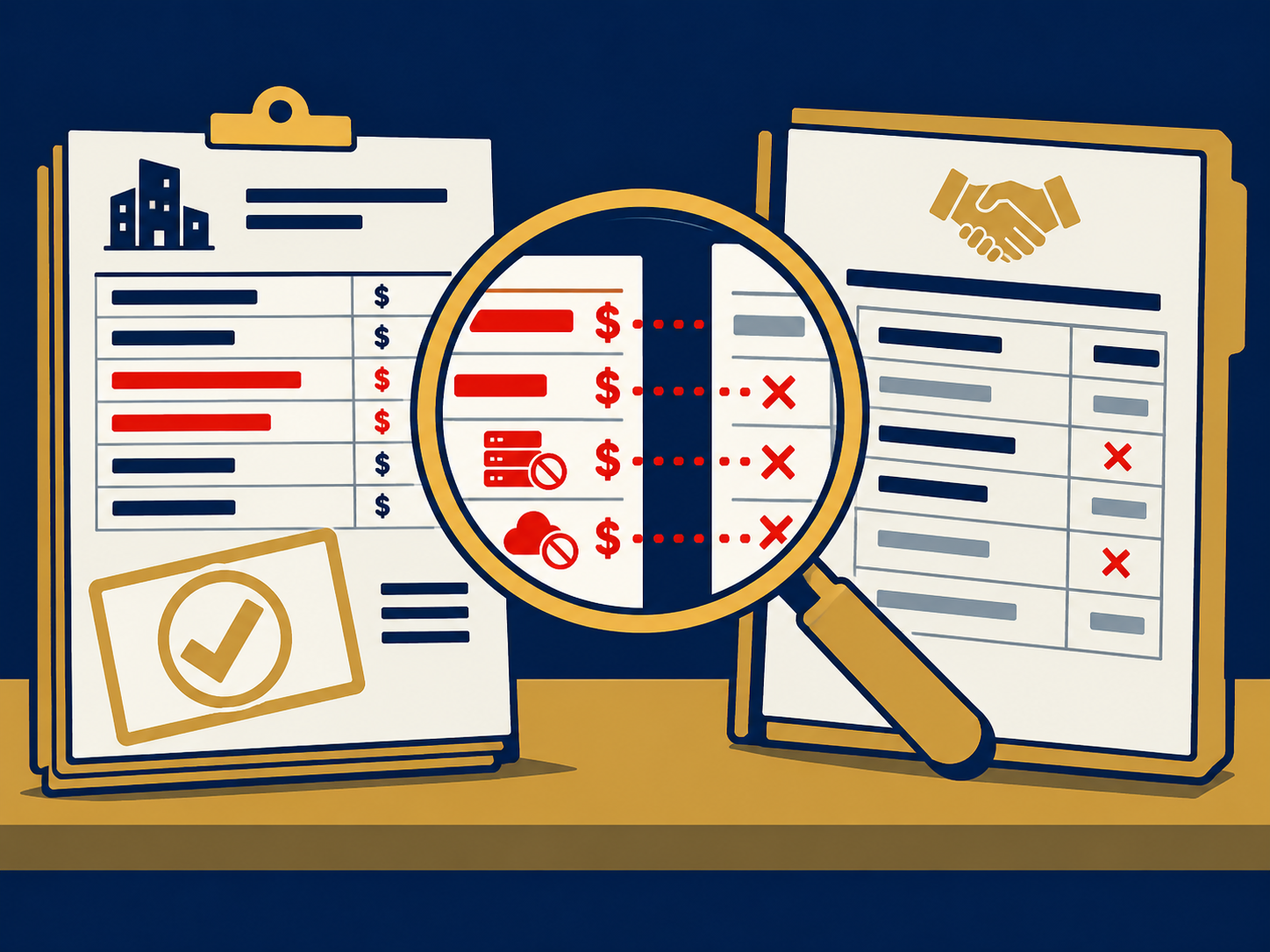
Carriers stopped accepting answers at face value and started requiring proof. Controls that were loosely evaluated five years ago are now verified with evidence — phishing-resistant MFA, immutable backups tested and documented, EDR coverage across all endpoints, and incident response plans that have been exercised rather than written and filed. Self-attestation is no longer enough. Carriers want screenshots, configuration exports, and evidence of tested controls at renewal. Some are conducting technical audits before binding coverage.
The questionnaire is now an audit. The controls you check off may become controls you need to prove were actually running if a claim is investigated.
What That Means for a Claim
Consider a common scenario: an organization attests that MFA is enforced across all accounts. Following a ransomware incident, forensic review discovers service accounts were exempted from the MFA requirement. The insurer now has reason to scrutinize whether the control was operating as represented in the application.
The consequences of a gap between what was attested and what was running range from claim denial to coverage exclusions, partial payouts that fall far short of the actual loss, and non-renewal. The controls most frequently at issue during claim investigations are the same ones on every renewal questionnaire — MFA enforcement across all accounts including service and privileged accounts, EDR coverage across all managed endpoints, backup immutability that has been tested rather than assumed, and incident response plans exercised within the last twelve months.
The most dangerous answer on a cyber insurance application is “yes” when you can’t produce evidence.
When It Becomes a CFO Conversation
When underwriters require a control, the conversation stops being theoretical security risk and becomes a coverage and financial exposure discussion. That framing shift matters internally.
The CTO who couldn’t get budget for phishing-resistant MFA now has a carrier requirement to put in front of the CFO. The IT Director who wanted immutable backups has a coverage condition to point to. Insurance requirements translate security controls into financial consequences in a way that abstract risk language rarely does and boards and CFOs respond to that framing in a way they don’t always respond to technical risk assessments.
The organizations that elevate renewal discussions beyond IT compliance are better positioned to justify security investments and document the decisions behind them.
Before You Sign the Renewal
The smartest organizations don’t wait for renewal season to validate these controls. They run an internal review 60-90 days before renewal so gaps can be found and fixed before signatures are submitted not discovered during a claim investigation.
Before signing, verify these without asking the vendor that sold you the tool:
✓ MFA enforced across all user accounts — not just administrative accounts, not with service account exemptions, and not with SMS-based authentication where phishing-resistant MFA is required
✓ EDR deployed across all managed endpoints — coverage gaps are what forensic reviewers look for first
✓ Backup immutability tested and documented — a backup that has never been restored is not evidence of a working backup for underwriting purposes
✓ Incident response plan exercised within the last twelve months — a document that exists is not the same as a plan that works
✓ Evidence available for every yes answer — not in a vendor portal, not in someone’s memory, but in documentation your team controls and can produce on request
Three Questions to Answer Before Renewal
Most organizations sign the renewal without running these against their own environment first. They’re worth answering internally before the deadline creates the pressure:
- Which controls on this application are most heavily scrutinized during claim review and does your team have the evidence to support each one?
- Which answers have changed since your last renewal in terms of what carriers now verify — and have your controls kept pace?
- If you had a claim tomorrow, which of your current attestations would be hardest to support with documentation?
If those answers aren’t clear before signing, they’ll be asked after an incident when the context is worse and the options are fewer.
The Vendor Question That Actually Matters
The organizations that navigate renewals most effectively separate two decisions: proving the controls required for coverage, and independently evaluating which vendors actually satisfy them.
The insurer defines the control category, not the vendor. MFA is required. Which MFA solution satisfies that requirement is a separate evaluation. When renewal urgency collapses that decision to a checkbox, the evaluation doesn’t happen. The MSSP running the renewal process recommends the product it sells. The buyer purchases under deadline pressure. The carrier requirement gets satisfied. Whether it was the right solution at the right price doesn’t enter the conversation.
The insurer sets the floor. They don’t make vendor recommendations. The organizations that evaluate vendors independently rather than through the firm also implementing them end up with better security posture and lower spend.
If your renewal is driving vendor conversations right now, start here. If your renewal is driving vendor conversations right now, start here.