Define Type 2 Circuits
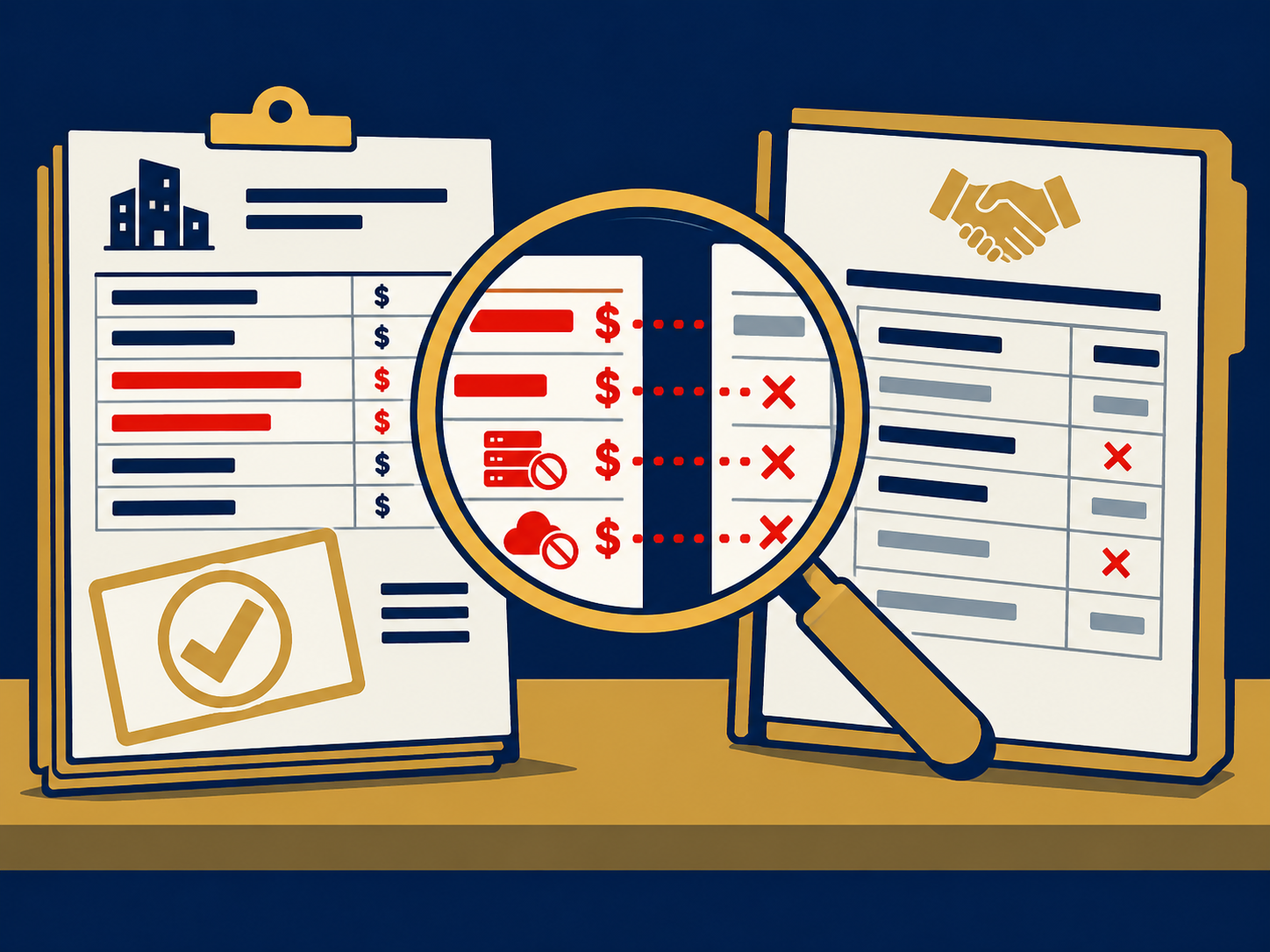
When you detect type 2 circuits, you uncover hidden handoffs in your network that can jeopardize performance and breach your SLA. A Type 2 circuit is a private leased line where one carrier sells you a service but relies on another provider’s last-mile infrastructure. That leased segment can be concealed in contracts and topology diagrams, giving a false sense of end-to-end control.
These hidden dependencies matter whether you choose dedicated internet access or compare options in dia vs broadband. You might see a single speed and a single price, but behind the scenes your traffic could traverse multiple networks, exposing you to correlated failures, longer restoration times and unexpected outages.
Key Characteristics of Type 2 Circuits
- One carrier on the invoice, another carrier on the fiber
- Circuit IDs that include unfamiliar suffixes or separator patterns
- Service agreements that omit details about last-mile ownership
- Limited visibility into physical routing and failover behavior
You need to be proactive about detecting these arrangements. Otherwise, your network diversity claims and network reliability goals rest on assumptions that may not survive a fiber cut or power event.
Why Hidden Circuits Matter
Hidden Type 2 circuits introduce several risks that can silently erode your service-level performance and budget:
- SLA Violations
When an outage occurs on the true last-mile segment, you’ll call your primary carrier, only to find they must coordinate with a third party. That extra handoff delays restoration and can push you past your SLA window. - Correlated Failures
If multiple “diverse” circuits share the same last-mile provider, a single fiber cut, splice error or equipment failure can knock out all paths at once. - Reduced Uptime
You may plan for N+1 connectivity, but hidden handoffs undermine your redundancy strategy and hurt your dia uptime metrics. - Limited Visibility
Without clear routing information, you can’t pinpoint fault domains or test your failover procedures effectively. - Cost Overruns
Emergency repairs on someone else’s infrastructure can incur unexpected charges and service credits may not offset your operational losses.
By the time you discover a Type 2 dependency—often during an outage—the clock is ticking on SLA credits and customer impact. You need structured methods to detect type 2 circuits before they break your SLA.
Detect Hidden Circuits
Detecting hidden Type 2 circuits requires a multi-pronged approach. Use these steps to uncover last-mile handoffs and validate true diversity.
Review Service Agreements
- Examine the Master Service Agreement (MSA) and any appendices for language about subcontractors or underlying carriers.
- Look for phrases like “carrier reserves the right to subcontract” or “service may utilize third-party infrastructure.”
- Request a Detailed Route Exhibit or Service Order Confirmation that specifies endpoints, handoff locations and provider names at each segment.
- Confirm whether your contract includes a Network-to-Network Interface (NNI) clause or references incumbent local exchange carriers (ILECs).
A clear audit trail in your documentation can save hours of vendor calls later.
Analyze Circuit Identifiers
Your carrier assigns a unique circuit ID to every leased line. Those IDs often encode the true underlying provider. By parsing patterns and suffixes, you can flag potential Type 2 circuits.
Identify Provider Suffixes
Common suffix conventions include:
- “..TWCC” for Spectrum-managed last mile
- “..CBCL..” for Comcast private circuits
- “/” separators often used by AT&T
Suffixes like “CL” or “CV” can hint at CenturyLink or other regional providers. When you see an unfamiliar pattern, ask your primary carrier to decode it.
Note Separator Patterns
- Period-delimited IDs frequently indicate regional or mid-span handoffs
- Slash-delimited IDs may represent Qwest or AT&T trunk circuits
- Mixed delimiters can signal layered providers
Maintain a reference table of observed patterns from past orders so you can cross-reference new circuits quickly.
Use Traceroute And Diagnostics
- Run a multi-destination traceroute from each data center or branch location to critical endpoints.
- Look for unexpected hops or ASN changes early in the path—especially beyond your edge router.
- Document latency spikes and hop counts to confirm whether the path stays within your expected network footprint.
If a traceroute shows a hop in a carrier’s ASN that differs from your primary provider, investigate whether that hop sits on a subcontracted last mile.
Verify Topology And Maps
- Request a physical and logical topology diagram from your carrier
- Confirm handoff points, cable routes and meet-me-room locations
- Compare the carrier’s map with your own facility layout to locate any third-party exchange points
Ask for a color-coded diagram that distinguishes segments owned by your primary provider versus those leased from another carrier.
Mitigate Circuit Vulnerabilities
Once you’ve detected Type 2 circuits, take these actions to strengthen your network posture and safeguard your SLA.
Enforce Diversity Requirements
- Include strict diversity clauses in new contracts, specifying distinct last-mile providers for redundant circuits
- Define minimum physical separation—different conduits or pathways—for every critical link
- Require your carrier to submit diversity test results and failure-impact scenarios during quarterly reviews
By codifying diversity, you ensure that backups do not share a hidden dependency.
Update Audit And Monitoring
- Integrate circuit-level verification into your regular network audits
- Use real-time monitoring tools to track latency, packet loss and circuit up/down events per link
- Flag any unplanned changes in circuit IDs or handoff points for immediate review
Regular audits catch inadvertent conversions of Type 1 circuits into Type 2 setups, helping you maintain transparency.
Conclusion
Hidden Type 2 circuits pose a subtle but serious risk to your SLA, network reliability and operational budget. By defining what Type 2 really means, understanding the associated dangers and following a systematic detection process, you can regain visibility into your last-mile infrastructure. Armed with clear documentation, circuit-ID analysis, diagnostic testing and enforced diversity clauses, you’ll strengthen your network resilience and prevent surprise outages.
Need Help With Detecting Type 2 Circuits?
Are you struggling to uncover the true makeup of your leased lines? We help you audit contracts, decode circuit identifiers and validate topology so you can defend your SLA and achieve genuine redundancy. Let us guide you to the right provider mix and solution set—so your network delivers the performance and peace of mind you expect. Reach out today to get started.