Understand E5 Security Failure
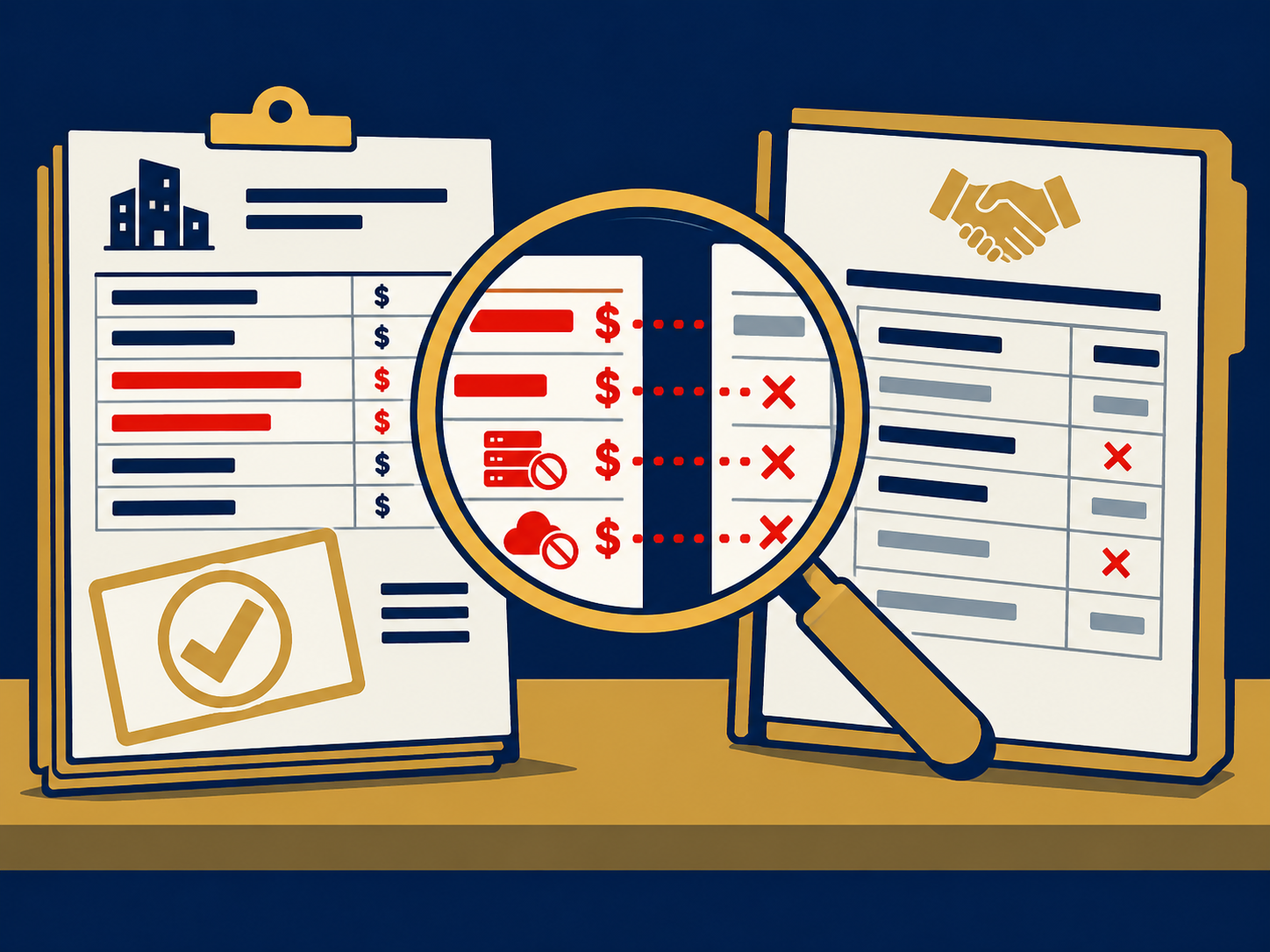
An e5 security failure can rapidly erode trust in your healthcare organization, exposing patient data, triggering regulatory fines, and landing your hospital in the headlines. You depend on the microsoft 365 E5 license for extended detection and response, advanced identity controls, and integrated cloud app governance. When that license isn’t configured or fully leveraged, you face more than a technical gap—you risk patient safety, operational downtime, and reputational damage.
In this article, you’ll learn how common missteps in an misconfigured e5 deployment and e5 underutilization put hospitals at risk. We’ll walk through the pitfalls, assessment steps, and remediation strategies you need to avoid becoming a cautionary tale.
Recognize Common Pitfalls
Even with E5’s comprehensive toolset, simple mistakes can undo your security posture. You must spot these pitfalls before headlines do.
Configuration Missteps
- Over-permissioned guests and forgotten admin roles leave backdoors open, accounting for 99 percent of tenant breaches in 2025.
- Disabled conditional access policies or reliance on legacy authentication expose critical systems.
- Phone number verifications for sandbox environments often fail due to unstable networks, stalling your security testing.
Underutilization Risks
- Deploying E5 without enabling Azure Active Directory Premium Plan 2 means missing out on Privileged Identity Management, which cuts incidents by 64 percent.
- Not retiring redundant point solutions forces your team to juggle multiple consoles instead of focusing on threats.
- Failing to back up tenant configurations—a gap in half of all organizations—jeopardizes your policy baseline during a breach or migration.
Assess Deployment Gaps
A targeted assessment highlights where your E5 implementation falls short and what to prioritize.
Identity and Access Flaws
Begin by verifying that MFA and conditional access policies are enforced across all identities. Check for:
- Accounts with outdated or insecure credentials
- Over-privileged service principals
- External users with open write permissions
Nearly half of healthcare tenants have hundreds of applications with dangerous permissions—a ticking time bomb if left unchecked.
Extended Detection Limitations
E5’s Defender suite offers XDR telemetry, but you need cohesive visibility:
- Are endpoint alerts surfaced alongside cloud app anomalies?
- Do you have automated remediation workflows in place?
- Is threat intelligence integrated with your SOC playbooks?
Without these linkages, you undermine the 90 percent automatic threat resolution rate that E5-level tools can deliver.
Strengthen Your Security Posture
Once you’ve mapped the gaps, focus on aligning processes, tools, and accountability.
Align Tools and Processes
- Consolidate overlapping solutions to reduce alert fatigue.
- Define clear ownership for each component—nobody should assume “someone else” will investigate an incident.
- Document escalation paths so your incident response team can act without delay.
Leverage Automation
Automation not only speeds up responses but also frees your team from manual toil:
- Use playbooks to triage alerts, quarantine compromised endpoints, and block suspicious user logins.
- Implement policy-driven backups for configurations to ensure rapid recovery.
- Automate license monitoring to avoid unintended coverage gaps during renewals or provider changes.
Monitor and Optimize Performance
Continuous monitoring and optimization prevent small issues from becoming headlines.
Telemetry and Visibility
- Centralize dashboards so you can see endpoint, identity, and cloud alerts in one pane.
- Correlate data over time to uncover trends such as repeated misconfigurations or spikes in unusual sign-ins.
- Regularly test onboarding and offboarding to validate that policy changes apply correctly.
Governance and Accountability
- Conduct quarterly reviews of roles and access policies with your leadership team.
- Tie security metrics—mean time to detect, mean time to remediate, license utilization—to business outcomes.
- Publish a concise executive summary after each review to maintain alignment and defend your budget.
Navigate Remediation Strategies
When you detect a gap or breach, you need a clear playbook to respond and recover.
Incident Response Planning
- Define your containment strategy: which systems to isolate, which to rebuild.
- Prepare communication templates for regulators, patients, and media.
- Run tabletop exercises that include C-level stakeholders, legal, and compliance teams.
Partnering for Expertise
If you lack in-house resources to fully leverage E5, consider a managed detection and response solution. When weighing options, you might explore comparisons like microsoft 365 vs crowdstrike for extended protection. A trusted partner can accelerate deployment, tune analytics, and provide 24/7 support so you’re never blind to emerging threats.
Summarize Key Takeaways
Hospitals that botch E5 security often face public scrutiny, regulatory action, and patient trust erosion. To prevent an e5 security failure, you need:
- Clear configuration of identity, access, and threat detection controls
- Complete utilization of bundled tools and automated playbooks
- Continuous monitoring, governance, and executive alignment
- A documented incident response plan and strategic external support
By treating your E5 deployment as a strategic asset rather than a checkbox, you shift from reactive firefighting to proactive resilience.
Need Help with E5 Security?
Looking for guidance on avoiding E5 security failure and protecting your healthcare organization? We help you evaluate your current posture, identify the right solutions, and connect with expert providers. Whether you need a deep audit or ongoing managed support, we’ll guide you every step of the way. Get started by signing up for our free microsoft 365 workshop today.