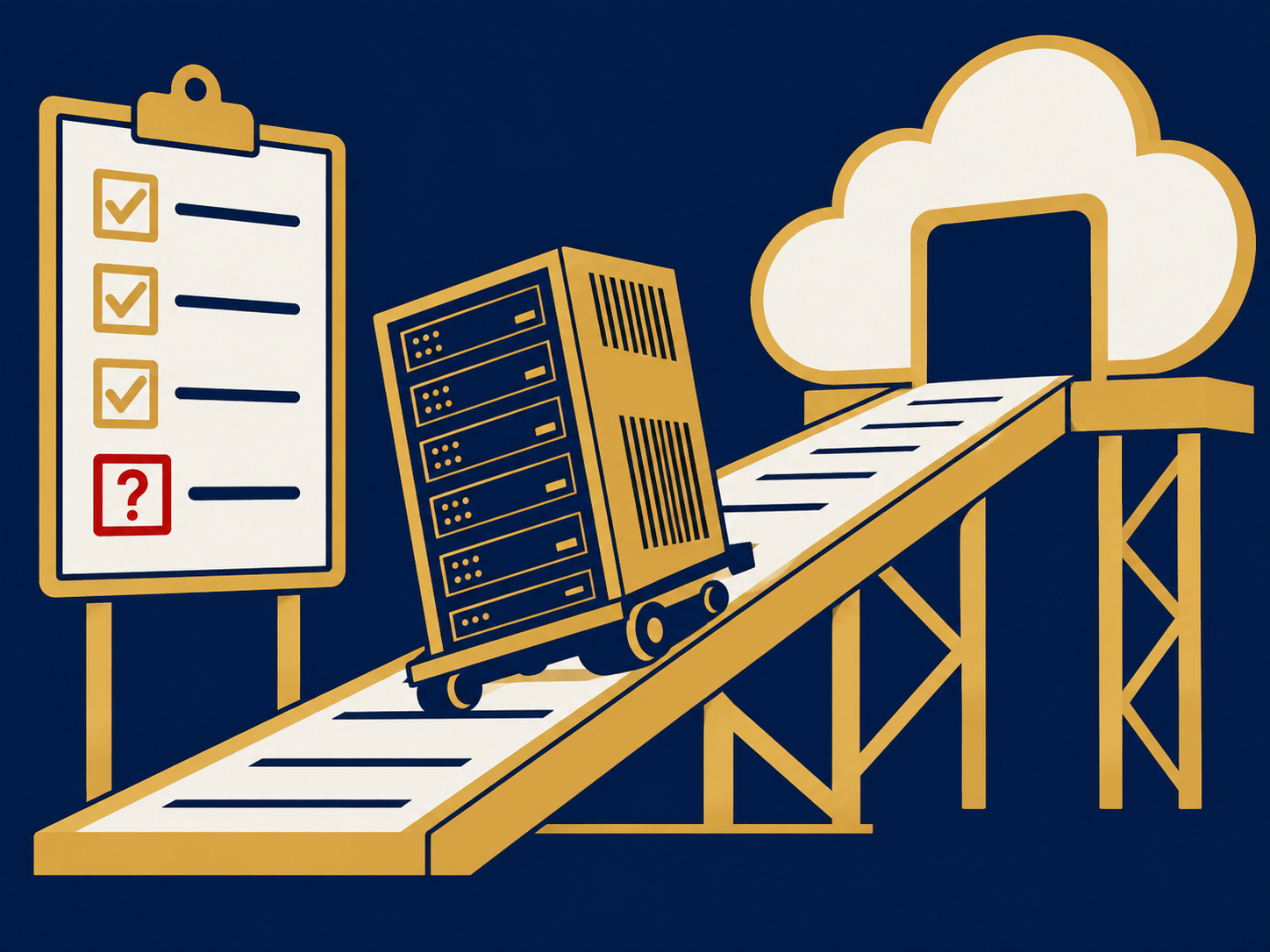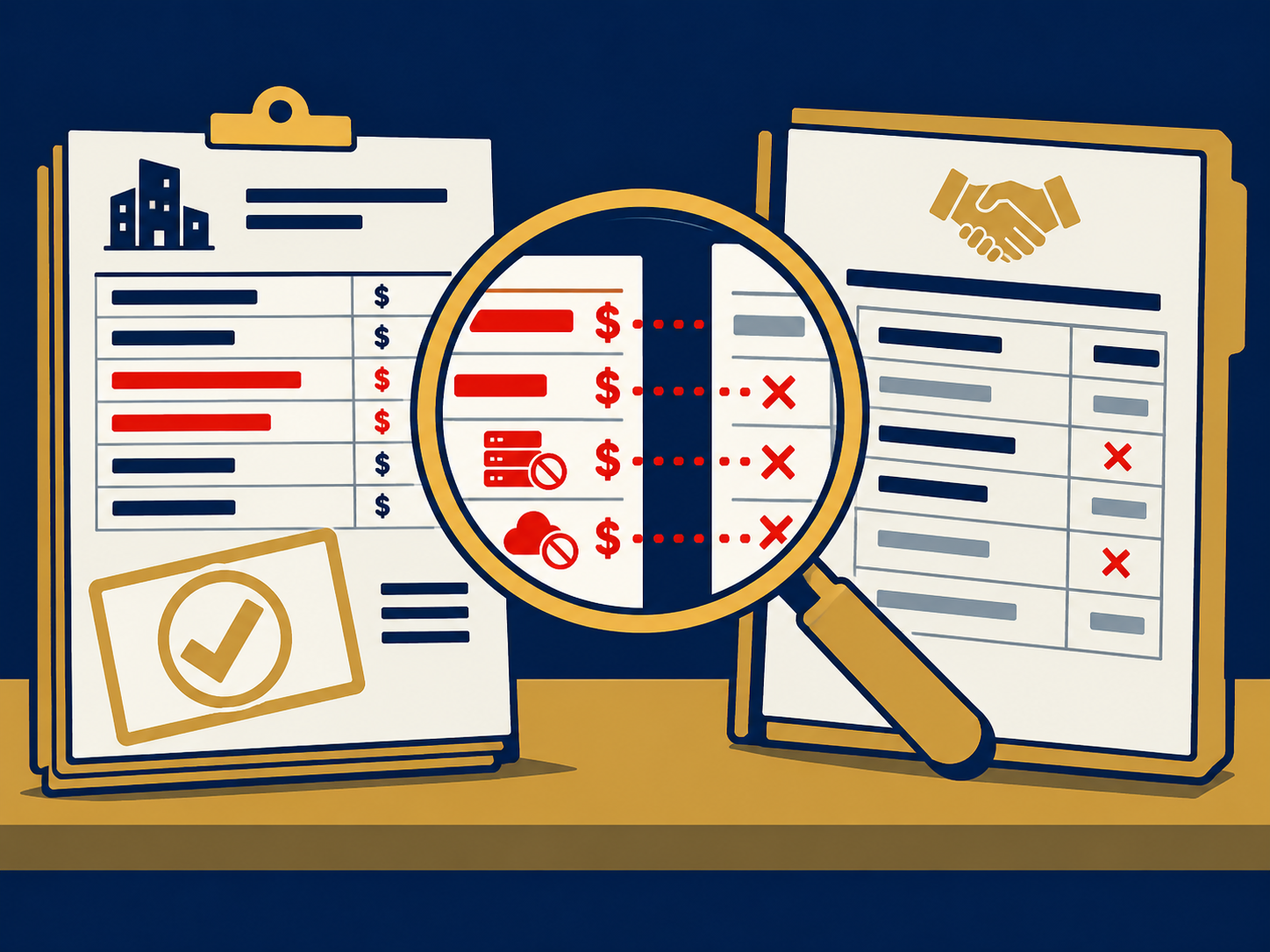
In this meraki vs meter comparison, you’ll learn how each platform handles cost, management and performance so you can choose with confidence for your K-12 environment. Whether you oversee switches, routers and Wi-Fi across multiple buildings or plan campus-wide expansions, understanding licensing models, uptime guarantees and local control is critical. We’ll break down both solutions against key criteria that matter for your wired and wireless LAN infrastructure setup, from budget predictability to hands-on configuration.
Understand K–12 Network Needs
Your district network must support students and staff with high availability, consistent performance and strict security compliance. In K–12 settings, IT teams juggle limited headcount, tight budgets and diverse device mixes—from Chromebooks and tablets to VoIP phones and interactive displays. A solid foundation starts with:
- Centralized visibility: seeing device health, traffic patterns and security events across every classroom and office.
- Simple management: reducing repetitive tasks so your staff can focus on projects that improve learning outcomes.
- Reliable uptime: safeguarding teaching schedules against outages, whether at a single building or district-wide.
- Flexible control: giving advanced users command-line access or local interface options when policies or custom scripts are required.
- Future-proof design: aligning with best practices in campus wifi design while allowing for phased expansions.
Balancing these needs often means choosing between a purely cloud-centric model and a network-as-a-service approach. Each has trade-offs in flexibility, support and total cost of ownership.
Compare Cost Structures
Cost considerations in K–12 IT often split into capital expense versus operational expense, plus ongoing license renewals. Here’s how Meraki and Meter differ:
Capital Vs Operational Expenses
- Meraki: You purchase hardware upfront—access points, switches and security appliances—then add perpetual or subscription licenses. This CapEx model requires large budget allocations for initial deployments and refresh cycles.
- Meter: Hardware comes bundled in a monthly fee. You shift spending from CapEx to OpEx, smoothing budget planning over years and avoiding large refresh spikes.
License Fees And Renewals
- Meraki: Continuous cloud access hinges on active licenses. If a renewal is missed, devices can disable critical functions, risking classroom disruptions and unexpected costs.
- Meter: No separate license fees. Hardware remains functional regardless of contract status, and support services continue without service blackouts.
Understanding these differences helps you forecast expenses more accurately and defend spend to stakeholders.
Evaluate Performance Features
Performance for K–12 networks isn’t just about throughput; it’s also about management agility and resilience.
Cloud Management And Control
- Meraki: Offers a unified cloud dashboard for switches, routers and Wi-Fi. You configure settings, push updates and view logs from anywhere. However, every change relies on cloud connectivity.
- Meter: Delivers a cloud-hosted control plane plus local access options. You can manage policies online or apply changes on-site without waiting for cloud synchronization.
Local Access And Customization
- Meraki: Lacks a traditional command-line interface, limiting on-device scripting or troubleshooting when the internet link is down.
- Meter: Provides full configuration control locally, letting you run custom scripts or adjust routing in environments with intermittent cloud access.
Redundancy And Uptime
- Meraki: Relies on persistent cloud connectivity; outages can degrade visibility or block policy updates.
- Meter: Includes built-in LTE fallback, so critical services stay online even during WAN interruptions. Backup connectivity reduces classroom downtime and supports emergency alerts.
Examine Scalability And Lifecycle
How you scale and refresh network hardware impacts long-term costs and reliability.
Hardware Refresh Strategies
- Meraki: You manage refresh schedules and warranties separately. When Meraki device lifecycles end, you budget for replacements or extended support. See how a Cisco network refresh can affect your timeline.
- Meter: Oversees full lifecycle management under a single contract. Upgrades and hardware swaps are included, aligning with your network hardware lifecycle goals without surprise CapEx.
Upgrades And Support
- Meraki: Firmware updates and support are tied to license tiers. After a license lapses, you lose both management features and technical assistance.
- Meter: Offers seamless software updates, proactive hardware monitoring and 24/7 operations support. Natural language commands simplify routine changes, and embedded monitoring flags issues before they affect classrooms.
Align With IT Strategy
Strategic alignment ensures your network choice supports broader district objectives around governance, cost control and multi-site coordination.
Budget Predictability And Governance
- Meraki: License renewals and hardware replacements can introduce budget variability. You must track expiration dates and negotiate renewals annually.
- Meter: A fixed monthly fee covers all components—hardware, software and support—so you lock in predictable IT spend, simplify approval workflows and reduce procurement cycles.
Multi-site Management
- Meraki: The cloud dashboard excels at overseeing distributed campuses through a single pane of glass, but limited local control can hamper onsite troubleshooting.
- Meter: Balances centralized visibility with the option to troubleshoot locally or via LTE fallback. Whether you administer one school or a district of dozens, you can maintain consistent policies and rapid incident response.
Summarize Key Takeaways
Choosing between Meraki and Meter comes down to how you weigh cloud dependence, licensing and lifecycle management against flexibility and predictable costs. Meraki’s mature dashboard offers ease of use for cloud-first teams, but licensing ties and lack of local fallback can create budget or operational risks. Meter’s NaaS model shifts expenses into a single monthly plan, includes hardware refreshes and delivers local control with LTE redundancy, appealing to districts that need both predictability and resilience.
Plan Your Next Steps
Need help with choosing the right LAN infrastructure for your K–12 network? We help you assess Meraki vs Meter side by side, align stakeholders on outcomes and secure a solution that scales with your district’s growth. Let us guide your evaluation process, negotiate favorable terms and ensure your network delivers performance and reliability where it matters most. Talk to ITBroker.com today to get expert support tailored to your educational goals.