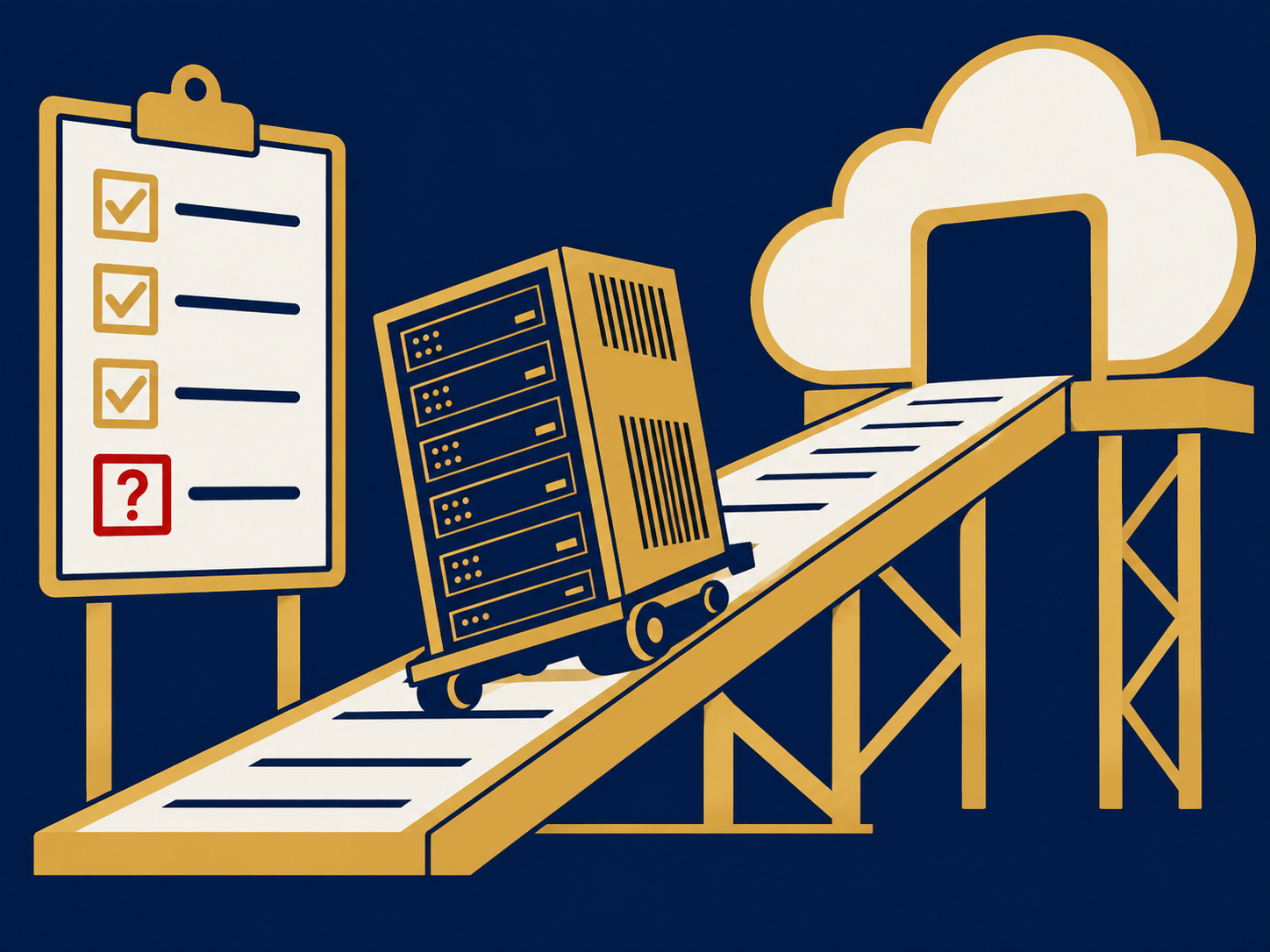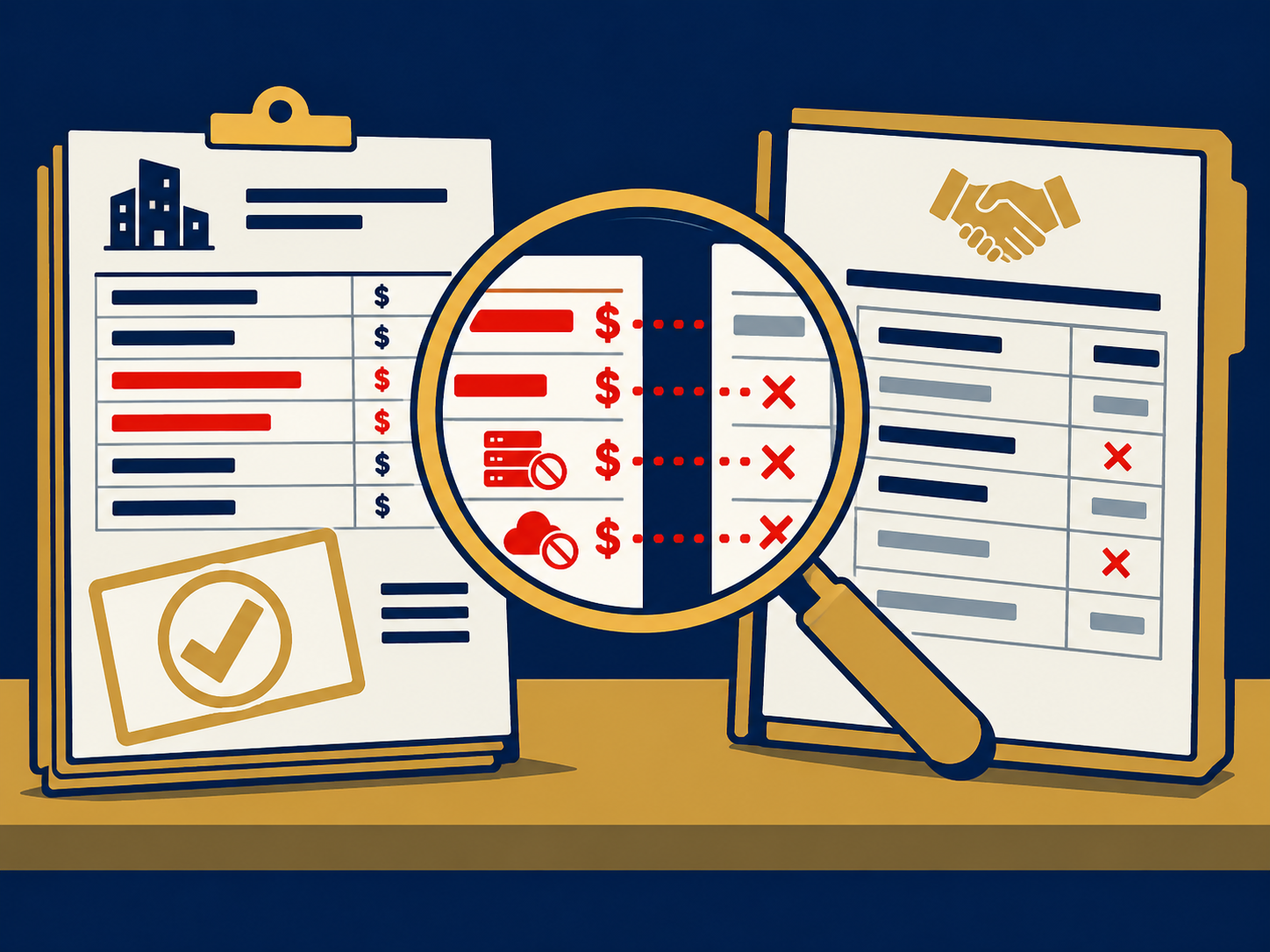
When you’re planning wired and wireless LAN infrastructure for your school, understanding the network hardware lifecycle is critical. Owning every switch, router, and access point outright may seem like a straightforward way to control costs, but it often becomes the costliest mistake you can make. Without a clear plan for procurement, maintenance, refresh, and disposal, you’ll face unexpected expenses, security gaps, and budget overruns.
In this article, you’ll learn why asset ownership without lifecycle management drives up your total cost of ownership, common pitfalls schools encounter, and practical strategies to optimize every phase of your hardware lifecycle. Whether you’re a leader defining IT strategy or a buyer validating decisions with stakeholders, you’ll gain clarity and confidence in how you manage network hardware from acquisition through retirement.
Define Network Hardware Lifecycle
Before you decide how to acquire network hardware, you need to map out its entire lifecycle. A clear lifecycle model helps you anticipate costs, manage risks, and align investments with educational objectives.
Lifecycle Phases Overview
- Procurement and Planning: Assess capacity requirements, set budgeting thresholds, and specify security standards.
- Deployment and Installation: Configure devices, integrate with your campus network design, and document initial settings.
- Operations and Monitoring: Track performance, detect anomalies, and schedule routine maintenance.
- Maintenance and Upgrades: Apply firmware updates, replace failing components, and validate compliance.
- Disposal and Refresh: Securely wipe data, recycle or trade in assets, and plan next-generation replacements.
Importance of Each Stage
Each phase carries its own risks and costs. Skipping thorough planning leads to mismatched capacity. Delaying maintenance accelerates hardware failure. Ignoring disposal protocols risks data breaches and environmental fines. When you own hardware, these hidden burdens compound over time.
Role in Cost Management
A well-defined lifecycle transforms unpredictable capital expenses into manageable budget cycles. You’ll forecast refresh dates, negotiate trade-in value, and align funding requests with academic calendars. This structured approach reduces last-minute spending sprees and defends your budget in stakeholder reviews.
Evaluate Ownership Costs
Owning your network hardware outright shifts risk and responsibility to your IT team, often creating long-term financial headaches.
Upfront Capital Expenses
Purchasing hardware requires large initial outlays that drain funds earmarked for other priorities, such as classroom technology or staff training. You may under-procure to stay within budget, leading to performance bottlenecks, or over-procure and leave assets idle.
Unexpected Maintenance Bills
Once hardware leaves the vendor’s warranty, maintenance costs spike. Third-party maintenance can cut support expenses by 30 to 40 percent, but you still pay for spare parts, emergency repairs, and specialized labor. Without automated discovery and inventory tracking, unplanned downtime becomes a costly norm.
Lifecycle Extension Pitfalls
Attempting to stretch a switch or wireless controller beyond its optimal service life may seem budget-friendly, but it increases energy consumption, slows network performance, and raises security risks. Legacy hardware stops receiving patches, exposing you to compliance issues and potential breaches.
Hidden Compliance Fines
When you own hardware, you’re responsible for meeting regulations around data security and disposal. Improperly decommissioned devices can incur fines or audit failures. Tracking end-of-service dates for every asset manually is error-prone and time consuming.
Identify School Pitfalls
Schools face unique challenges when they own network hardware without a lifecycle strategy. Recognizing these pitfalls helps you avoid them.
Aging Equipment Risks
As hardware ages, failure rates increase exponentially. Classrooms lose connectivity, critical security features become obsolete, and you scramble to source replacement parts for end-of-life models. Performance degradation can cost you instructional hours and erode stakeholder confidence.
Compliance And Security Gaps
Education networks must protect student data and meet state and federal regulations. Unpatched switches and outdated firewalls create vulnerabilities that attackers exploit. Regular firmware updates and audit trails are essential to maintain a secure posture.
Budget And Upgrade Cycles
School budgets often follow academic years, not hardware lifecycles. You may receive funding too late to replace obsolete gear or face pressure to delay refreshes mid-semester. Without a predictable schedule, your network becomes a patchwork of generations, complicating support and inflating spare-parts inventory.
Classroom Experience Impact
Slow or unreliable networks frustrate teachers and students. Delays in lesson plans or failed online assessments reflect badly on IT investments. When you own hardware without proactive lifecycle planning, you sacrifice the very learning experiences you aim to support.
Highlight Lifecycle Benefits
Adopting a lifecycle management mindset transforms network hardware from a liability into an asset that accelerates learning outcomes.
Cost Transparency
With lifecycle management, you track total cost of ownership across procurement, support, and disposal. You’ll negotiate better vendor contracts, optimize license utilization, and forecast refresh budgets accurately—linked directly to academic priorities rather than unpredictable break-fix events.
Improved Security Posture
Automated asset discovery and compliance tracking ensure you know exactly which firmware versions are running, which devices need patches, and when support expires. You’ll close vulnerabilities before they turn into breaches and maintain audit-ready records.
Operational Efficiency
Lifecycle tools integrate with your network monitoring system to automate routine tasks like backups, health checks, and firmware updates. Real-time insights help you prioritize critical alerts, minimizing downtime and freeing your team to focus on strategic projects such as campus wifi design.
Sustainability And Compliance
Structured disposal plans ensure secure data wiping, environmentally responsible recycling, and adherence to regulations for e-waste. You’ll minimize your environmental footprint and avoid costly compliance fines when you decommission old equipment.
Implement Optimization Strategies
To make lifecycle management work in your school, establish repeatable processes and leverage automation wherever possible.
Routine Audits And Monitoring
Regular audits validate your asset inventory and verify compliance.
Continuous Asset Discovery
Use automated discovery tools to maintain an up-to-date inventory of all wired and wireless devices. This reduces manual errors and ensures you cover every switch, router, and controller.
Documentation Best Practices
Keep detailed logs for procurement, maintenance, and decommissioning. Document manufacturer support dates, warranty terms, and service-level agreements so you can plan refreshes before warranty lapses.
Automate Maintenance Tasks
Automation cuts manual effort and reduces human error.
Firmware Updates
Schedule updates in maintenance windows to avoid class disruptions. Automate rollback plans in case of compatibility issues.
Backup And Recovery
Implement automated backups of device configurations and test recovery procedures regularly. Quick restoration minimizes instructional downtime when failure strikes.
Scheduled Refresh Plans
Plan hardware replacements before performance degrades significantly.
Lifecycle Thresholds
Define end-of-service thresholds—typically three to five years for switches and firewalls—based on manufacturer guidance and your usage patterns.
Budget Alignment
Align refresh cycles with your funding calendars and leverage trade-in programs to offset new procurement costs. For guidance, explore strategies like predictable it spend to smooth funding requests.
Integrate With Broader IT Strategy
Embed network hardware lifecycle management into your overall IT governance. Link refresh cycles to software license renewals, classroom technology rollouts, and security audits. Treat hardware as part of a unified infrastructure plan rather than an isolated expense.
Compare Owning Versus Leasing
Leasing or subscription models can shift risk, improve cash flow, and provide predictable refresh schedules—addressing many ownership pitfalls.
Financial Flexibility
Leasing turns large capital expenses into manageable operational costs. You’ll preserve budget for curriculum tools and avoid spikes in spending when warranties expire.
Vendor Accountability
With a lease, vendors often handle maintenance, upgrades, and disposal. Service-level agreements hold them accountable for performance and security, so your team can focus on network design rather than break-fix management. Learn more about cloud-managed approaches in resources like meraki vs meter.
Scalability Considerations
Leasing lets you scale capacity up or down as enrollment and educational technology demands change. You avoid stranded assets and can introduce new features—such as Wi-Fi 6E or 10-Gigabit Ethernet—without hefty up-front investment.
Long-Term Total Cost Analysis
Compare the total cost of leasing over five years against outright purchase plus maintenance and disposal. In many cases, leasing provides greater budget predictability and reduces hidden support costs.
Conclusion
Owning network hardware without a robust lifecycle management plan exposes your school to surprise costs, security gaps, and operational headaches. By defining each phase of the network hardware lifecycle, evaluating true ownership costs, and implementing optimization strategies, you’ll gain transparency, drive down total cost of ownership, and deliver reliable connectivity for teachers and students. Whether you choose outright purchase, leasing, or a hybrid approach, make lifecycle management your guiding principle rather than an afterthought.
Need Help With Network Hardware Lifecycle?
Looking for expert guidance to manage your network hardware lifecycle end to end? We help you assess options, define procurement and refresh plans, and select the right solution—whether you’re buying, leasing, or blending models. Let’s partner to bring clarity and confidence to your LAN infrastructure investments. Contact us today to get started.