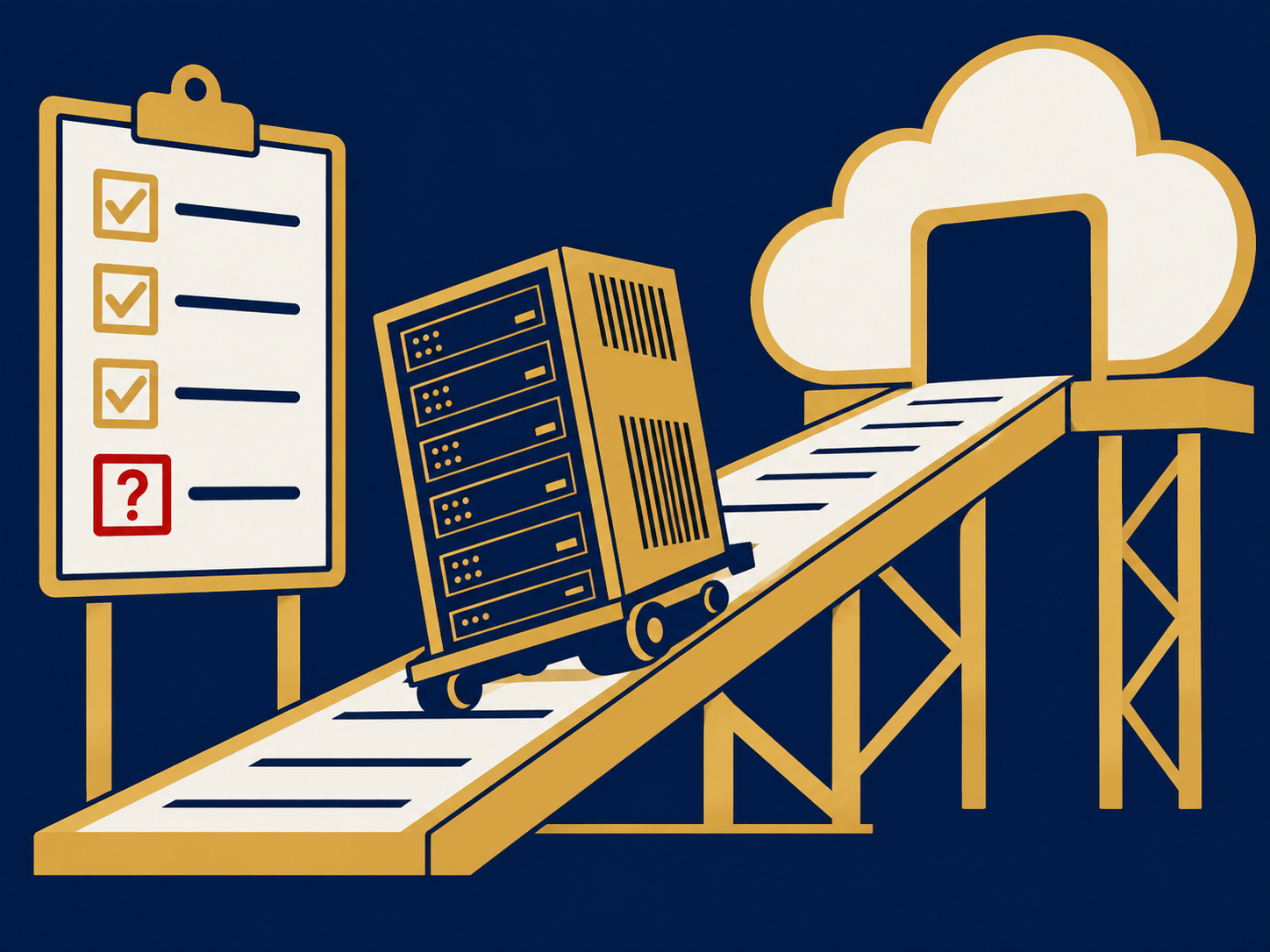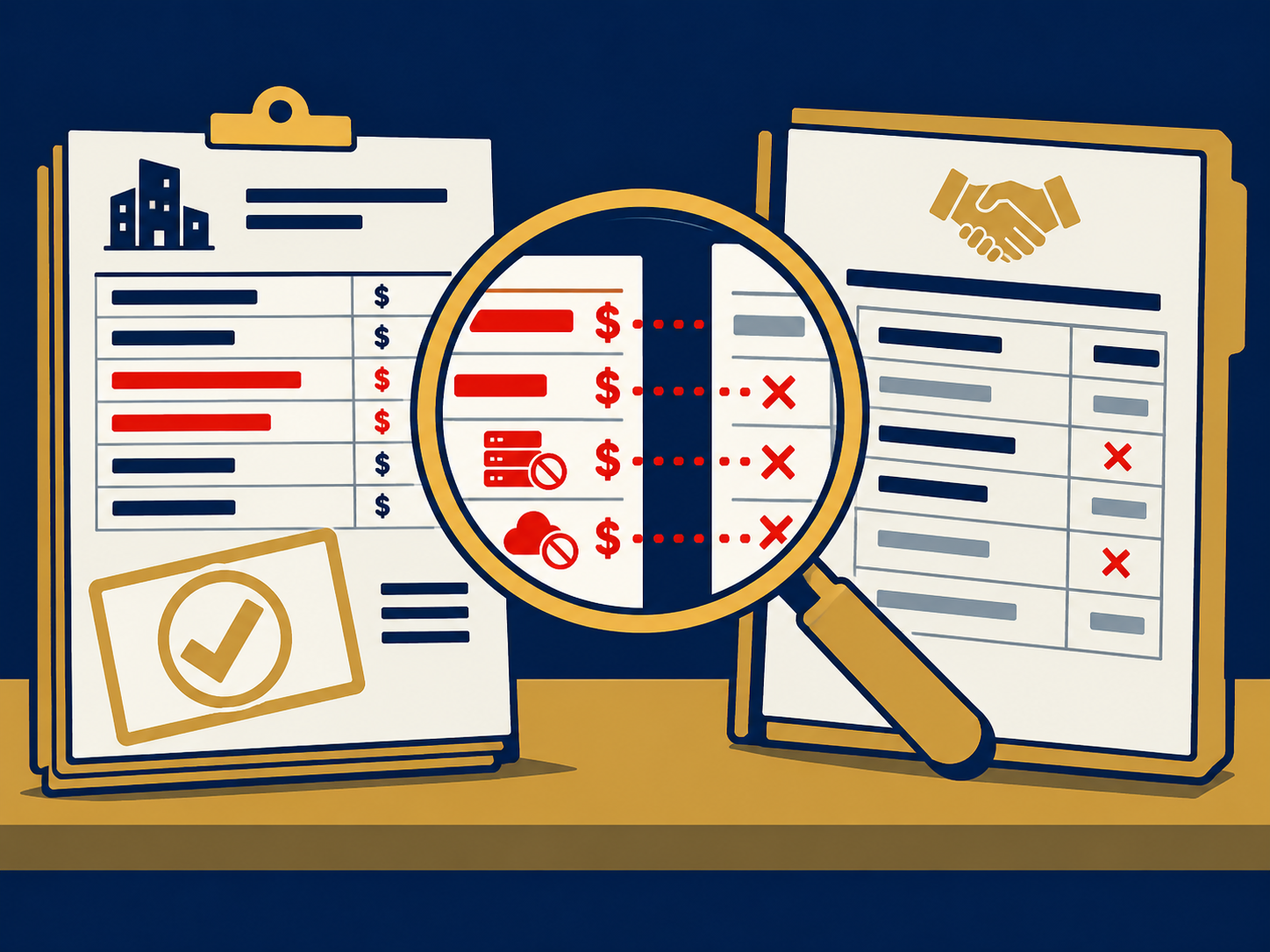
As you plan your next budget cycle, unpredictable technology costs can derail even the most detailed financial plan. Unexpected hardware failures, emergency repairs, and license overages force you to divert funds from instructional priorities. By adopting predictable it spend, you align your IT budget with fixed monthly fees, operational expenditures, and proactive maintenance contracts. This transparent spend model gives you clarity around expenses, reduces hidden fees, and helps you allocate resources strategically.
In this article, you’ll learn what predictable it spend looks like in a school environment, why variable costs create risk, and how you can lock in stable rates across managed services, hardware refresh cycles, wireless deployments, and budget forecasts.
Understanding Predictable IT Spend
Predictable it spend means you pay a consistent fee each month for technology services, support, and scheduled hardware updates. Instead of charging by the hour or on a break/fix basis, a managed service provider bundles support, maintenance, and refreshes into one contract. You gain:
- Fixed monthly cost that you can model into long-term budgets
- Proactive monitoring and maintenance to prevent costly downtime
- Transparent scope and pricing, with clear definitions of service levels
- Better alignment between IT goals and overall district objectives
By turning large capital expenditures into manageable operational expenses, you create financial stability. This approach empowers you to plan multi-year network upgrades, staff training, and security enhancements without surprise line-item requests.
Challenges of Unpredictable Costs
When your IT costs fluctuate, you face several risks:
- Budget overruns that cut into instructional resources
- Emergency funds drained by last-minute repairs
- Difficulty forecasting total cost of ownership
- Stakeholder frustration over hidden fees and scope creep
Variable expenses also hamper strategic projects. If you under-estimate break/fix hours or hardware failures, you may freeze new initiatives mid-year. Conversely, padding budgets with large contingencies reduces flexibility and invites scrutiny when funds go unused.
Embracing Managed IT Agreements
Switching to a flat-rate managed agreement is a proven way to tame variable costs. You pay a set monthly fee covering a defined set of services, which can include help desk support, security monitoring, and scheduled network health checks.
Flat-Rate Service Packages
Flat-rate packages typically bundle:
- Unlimited or capped help desk hours
- Proactive patch management and vulnerability scans
- Quarterly security reviews and compliance reporting
This model incentivizes providers to prevent issues rather than just respond to them, reducing both downtime and cost spikes.
Proactive Service Models
By shifting provider incentives toward prevention, you benefit from:
- Scheduled maintenance windows instead of emergency work
- Early detection of network bottlenecks or failing hardware
- Clear escalation paths and predefined service-level targets
As you compare service options, you may find it useful to review the differences in licensing and management approaches, for example, when evaluating meraki vs meter.
Aligning CapEx and OpEx
Converting large, one-time purchases into monthly operational expenses smooths out your budget. This shift helps you avoid peaks and valleys in capital outlay while preserving cash reserves for other priorities.
Converting CapEx to OpEx
- Lease or subscribe to network switches and controllers
- Bundle software licenses and security services into recurring payments
- Factor refresh costs into existing service agreements
Locking in Refresh Cycles
Planned refresh cycles ensure you replace hardware on a predictable schedule. For example, syncing your investment with a cisco network refresh program lets you forecast refresh costs and avoid late-cycle premiums. You establish:
- A fixed timeline for device end-of-life
- Clear depreciation windows for financial reporting
- Consistent technology performance and support coverage
Planning Network Hardware Lifecycle
A structured hardware lifecycle plan prevents unexpected replacements and keeps devices under warranty or service contract coverage.
Device Rotation Strategy
- Map each asset to a replacement year based on manufacturer recommendations
- Stagger refreshes so you replace a portion of equipment annually
- Balance standard models and configurations to streamline support
Lifecycle Visibility
- Maintain an asset register with purchase date, warranty expiry, and support status
- Automate alerts for upcoming renewals or end-of-life notices
- Review lifecycle data quarterly to adjust forecasts
A clear network hardware lifecycle lets you budget refresh costs years in advance and avoid last-minute upgrades.
Designing Campus WiFi Networks
Wireless infrastructure often carries hidden costs if capacity and coverage aren’t planned up front. Under-dimensioned access points lead to expensive mid-cycle expansions.
Coverage and Capacity Planning
- Conduct a site survey to map user density and interference sources
- Right-size access point placement for high-traffic zones like cafeterias and libraries
- Factor in device growth trends and emerging use cases
Controller Licensing
- Choose licensing models that include firmware updates and support
- Align license renewals with academic terms to simplify budget cycles
- Avoid per-device fees that can balloon as enrollment or BYOD programs expand
Detailed campus wifi design reduces overprovisioning and emergency deployments that drive up expenses.
Optimizing LAN Infrastructure
A well-architected wired and wireless LAN foundation supports predictable IT spend by minimizing reactive troubleshooting.
Segmentation and Virtualization
- Use VLANs and virtual network functions to isolate traffic and simplify management
- Deploy network segmentation appliances under flat-rate support to prevent costly breaches
- Leverage software-defined networking for dynamic resource allocation
Future-Proof Architecture
- Adopt modular switch platforms that support stacking and expansion
- Standardize on PoE switches to power IoT devices without separate power budgets
- Plan for cloud-managed or on-prem controllers based on your district’s risk profile
A robust wired and wireless lan infrastructure helps you forecast operating costs and avoid surprise maintenance fees.
Forecasting IT Budget Needs
Accurate forecasting relies on combining historical usage data with automated alerts and ongoing oversight.
Historical Data Analysis
- Track service ticket volumes, hardware failure rates, and software license consumption
- Use three-year trends to estimate annual maintenance and support costs
- Factor in seasonal spikes, such as one-to-one device rollouts or standardized testing periods
Automated Alerts
- Configure monitoring tools to notify you when device counts or utilization exceed thresholds
- Link alerts to budget dashboards for real-time visibility
- Trigger RFP processes or refresh plans when alerts indicate pending capacity or warranty gaps
By integrating data‐driven forecasting into your planning, you reduce reliance on large contingency reserves and keep budgets lean.
Measuring Stability and ROI
To prove the value of predictable it spend, focus on metrics that matter to your stakeholders.
Key Metrics to Track
- Variance between budgeted and actual IT spend
- Number of emergency repairs versus scheduled maintenance events
- Average time to resolution for service tickets
- Percentage of network uptime during school hours
Continuous Improvement
- Review vendor performance against service-level targets quarterly
- Reassess contract terms based on support volume and emerging needs
- Adjust your spend model as new technologies or initiatives come online
By tying outcomes to cost stability, you demonstrate how predictable it spend translates into improved uptime, staff productivity, and student satisfaction.
Conclusion and Next Steps
Unpredictable IT costs create stress, distract your team, and hamper strategic initiatives. By embracing predictable it spend, you replace budget surprises with transparent, manageable expenses. Start by assessing your current break-fix spend, aligning CapEx and OpEx, and formalizing hardware refresh cycles. Then partner with a managed service provider to bundle support, maintenance, and licensing into one fixed monthly fee. Finally, use historical data and automated alerts to forecast future needs and measure your success.
Need Help With Ensuring Predictable IT Spend?
We help you find the right managed service model, plan refresh cycles, and design networks that fit your budget. Our team evaluates your requirements, negotiates transparent contracts, and aligns technology investments with your instructional goals. Let’s build a stable, predictable IT environment so you can focus on delivering great outcomes for students and staff.
Contact us today to get started.