Max Clark: [00:00] They killed off products that were generating good revenue, but at bad margin. Stuff that looked successful from the top line, but because leadership could actually see the cost to revenue picture, they made the call to pull resources out of the good revenue, bad margin business, and put them into the good margin parts.
Max Clark: [00:15] The cost stopped being IT’s problem to nag about and became a business decision the business could actually make.
Max Clark: [00:23] A VP of Global IT I worked with spent weeks building a plan to cut his company’s cloud bill. We’re talking eight figures a year. He did all the work, what to change, how to do it without breaking anything, the whole thing. He brings it into a meeting with the engineering leads, and the VP of engineering looks him dead in the eye and says three words. Not my KPI. That was it. Project Dead on the spot. Today I want to talk about why this happens and why it has almost nothing to do with the cloud.
Max Clark: [00:51] This is Signed the Podcast for Buyers and a Market Built for Sellers. I’m Max Clark, CEO of ITbroker.com, and this is a playbook episode. Just me walking through something I watch play out over and over.
Max Clark: [01:10] Today it’s a simple question with a messy answer. Who actually owns your cloud costs? Not who gets blamed for them, who owns them? Because those are almost never the same person. And that gap is where a lot of money goes to quietly die. Let’s get into it. So back to that VP. Here’s a setup, and the setup is the whole problem.
Max Clark: [01:29] He was responsible for IT spend across the company’s offices, people, and the cloud platforms. Big mandate. But here’s a detail that matters. He reported to two people. He reported to the CTO and he reported to the CFO. The CFO was pushing hard to get cloud spend down, eight figures a year, and finance wanted a real dent in it. So the CFO hands that to the VP. Go cut the cloud bill. And the VP takes it seriously. He and his team spend weeks on it. What can we change? What would it actually entail?
Max Clark: [01:58] How do we make reasonable cuts without disrupting anything that’s running? Real careful work and a good plan. Then he walks into the room with engineering and he explains what he’s been tasked with, what he wants to do, and what he needs from the engineering team to pull it off. And the VP of engineering says, not my KPI. Now, was the engineering VP being difficult? No. He was being honest because the CTO had priorities coming down from the CEO and the board that he had to hit.
Max Clark: [02:25] The CTO took those priorities and pushed them down into engineering. Build this, ship that, and cost cutting was not on that list. So you’ve got the CFO wanting cost down, and the CFO’s tasking the VP of IT to get cost down, the VP building a careful plan to get cost down, and none of it matters because the people who actually have to do the work answer to a completely different set of priorities. Engineering wasn’t going to stop building features to go re-architect things for savings because nobody who controls their time
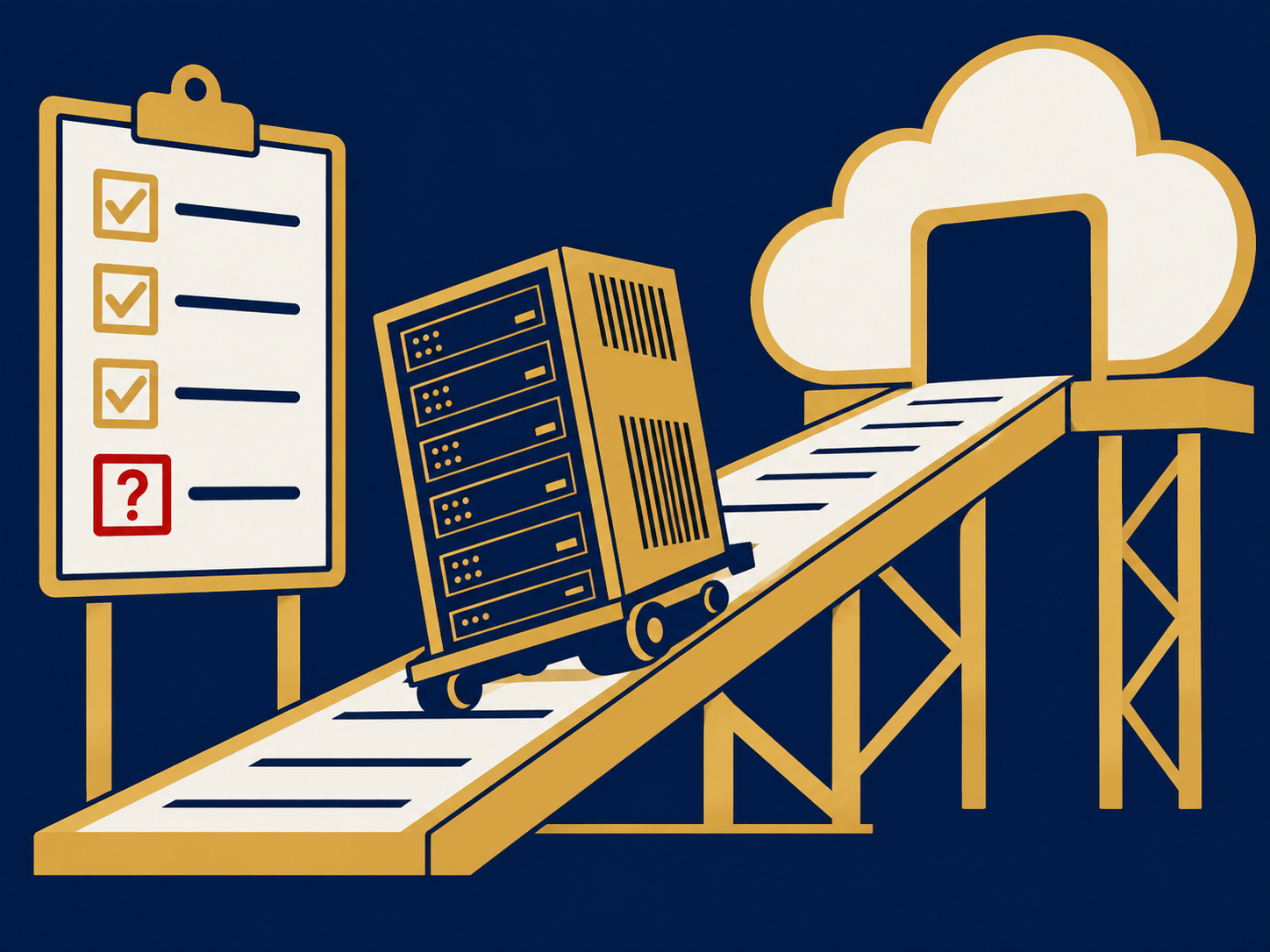
Max Clark: [02:54] told them to. Finance saying cut costs and not cut costs. Here’s the thing nobody tells you when you’re staring at a big cloud build. Cutting costs is not primarily a tooling problem. It’s an ownership and priority problem. And the market is very good at selling you the tool and very quiet about the ownership. You’ve seen this in FinOps platforms that promise to find and reduce cloud spend. And look, those tools are genuinely good at what they do. If you’ve got orphaned resources, idle instances, stuff nobody turned off, things spun up and forgotten,
Max Clark: [03:24] A FinOps platform will surface all of that. That’s real money, and it’s money you can cut with basically no organizational friction. Because nobody has to decide anything. Nobody’s defending an idle resource. But the moment cutting costs requires actual work, rearchitecting something, changing how it’s built, moving a workload, now it’s different. Now somebody has to decide that work is worth engineering’s time. And engineering’s time is finite and it’s already spoken for.
Max Clark: [03:52] So the real easy savings the tool gets you. The real savings, the ones that require effort, only happen if the company decides across teams that this is a priority. And the company deciding is a very specific thing. It means the person who controls engineering’s priorities agrees it’s worth doing. That’s the part the pitch leaves out. The tool can show you the number, it cannot make your organization decide to act on it. Which brings us to the question I actually want you sitting with. In your company,
Max Clark: [04:20] Who owns the cloud costs? Is it engineering? Engineering generates the cost. They bill the things that run, but they’re measured on shipping, on features, on uptime. They’re not measured on the bill. Is it IT? IT often gets handed the bill and the mandate to control it, like RVP. But IT can’t walk into engineering and redirect the roadmap. Is it finance? Finance wants it down, and finance owns the budget, but finance can’t touch the infrastructure. They can’t go change how something’s architected.
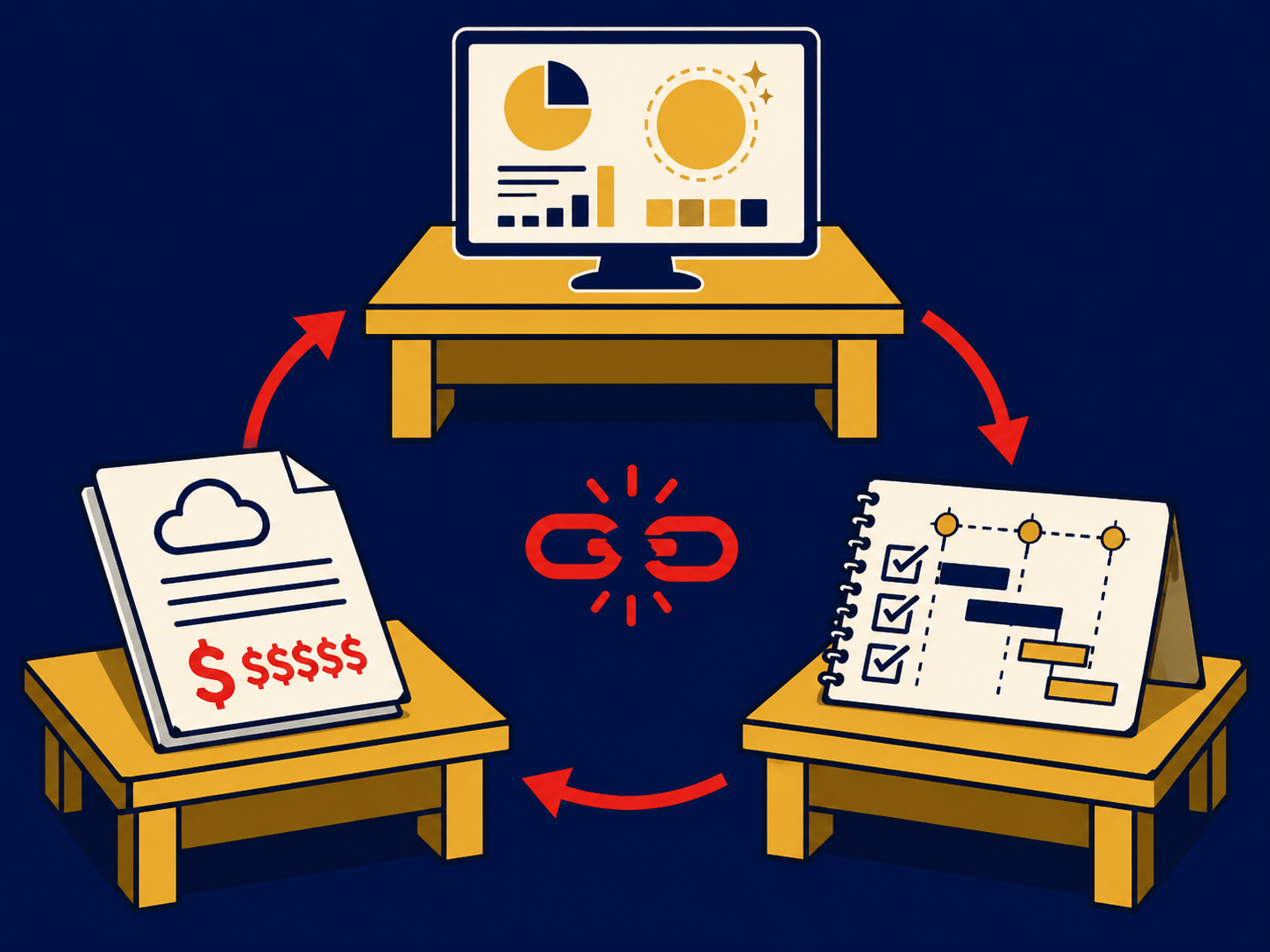
Max Clark: [04:50] So here’s the trap. The accountability and the authority don’t line up. The person on the hook for the cost is almost never the person with the power to change it. That’s the disease, and no platform fixes it because it’s not a software gap. It’s an org chart gap. So the real question, the one to ask before you spend a dollar on tooling or handing anyone a go cut the bill mandate, is this Does the person accountable for the cost actually have the authority to change it? And if the answer is no,
Max Clark: [05:19] You have this problem and you’ll have it no matter what you buy. Now let me show you what this looks like when a company actually solves this, because I’ve seen it done right exactly once and it’s stuck with me. Here’s what they did. One, they had cost tagging deployed across every single resource, not just cloud, cloud, and data center. Everything was tagged. Two, that tagging let them report two things that almost nobody can report. First, how much any given thing actually costs to run.
Max Clark: [05:48] And second, what it costs to run that thing in the cloud versus the data center, apples to apples. Three, and this is the move, that data went back to the business, not just to IT, to the executive team and to the board. The framing was dead simple. We spend X to run this thing and it generates Y in revenue. Four, once you connect real cost to real revenue plus the labor going into it, the business can finally decide what’s worth investing in and what isn’t. And here’s the part that surprised me at the time.
Max Clark: [06:17] They killed off products that were generating good revenue, but at bad margin. Stuff that looked successful from the top line, but because leadership could actually see the cost to revenue picture, they made the call to pull resources out of the good revenue, bad margin business, and put them into the good margin parts. That’s the unlock. Visibility moved the decision up to the people who had the authority to reprioritize. The cost stopped being IT’s problem to nag about and became a business decision the business could actually make.
Max Clark: [06:46] Very few companies do this and it’s the first thing I’d push for walking into a new company. So if you’re the one staring at a cloud bill that won’t go down, here’s the playbook. Before you buy anything, answer two questions. One, who owns this cost and do they have the authority to change it? if those are two different people, fix that first. Tooling won’t. Two, can you connect each dollar cost the revenue or the value produces? Because until executives can see this cost X, it makes Y.
Max Clark: [07:13] Cut costs is just a wish. It’s not a decision anyone can act on. If you can’t answer those two questions, a platform won’t save you. You’ll spend money on software that shows you a number you already can’t do anything about. And that’s its own little version of regret. You bought the thing that was supposed to fix it and the build didn’t move. Get the visibility, tie it to revenue, put the decision in front of the people who can actually reprioritize. That’s how you cut costs without going to war with engineering.
Max Clark: [07:41] One more thing about that VP, because it’s my favorite line in almost 30 years of doing this. Finance was always on him about how expensive IT was. And he’d say, I don’t know what you’re talking about. I’ve got a team of four. We’re cheap. It’s the rest of the company with all the headcount, buying laptops and software subscriptions that expense that’s expensive. We just take care of it and make it easy for everyone. He’s making a joke, but he’s also making the whole point of this episode. The cost shows up on his ledger.
Max Clark: [08:11] He doesn’t own the decisions that create it. The bill lands on the person with the least power to change it. Fix that, and you don’t need a better tool. You need the right person holding the pin. That’s the playbook. If you’re fighting a cloud bill, stop looking for a better tool and start looking for who owns it and whether they can actually act. I’m Max Clark. This has been signed. If this was useful, follow the show and share it with whoever just got handed a cut the cloud bill mandate they can’t actually execute. Buy Tech Without Regret. I’ll see you on the next time.