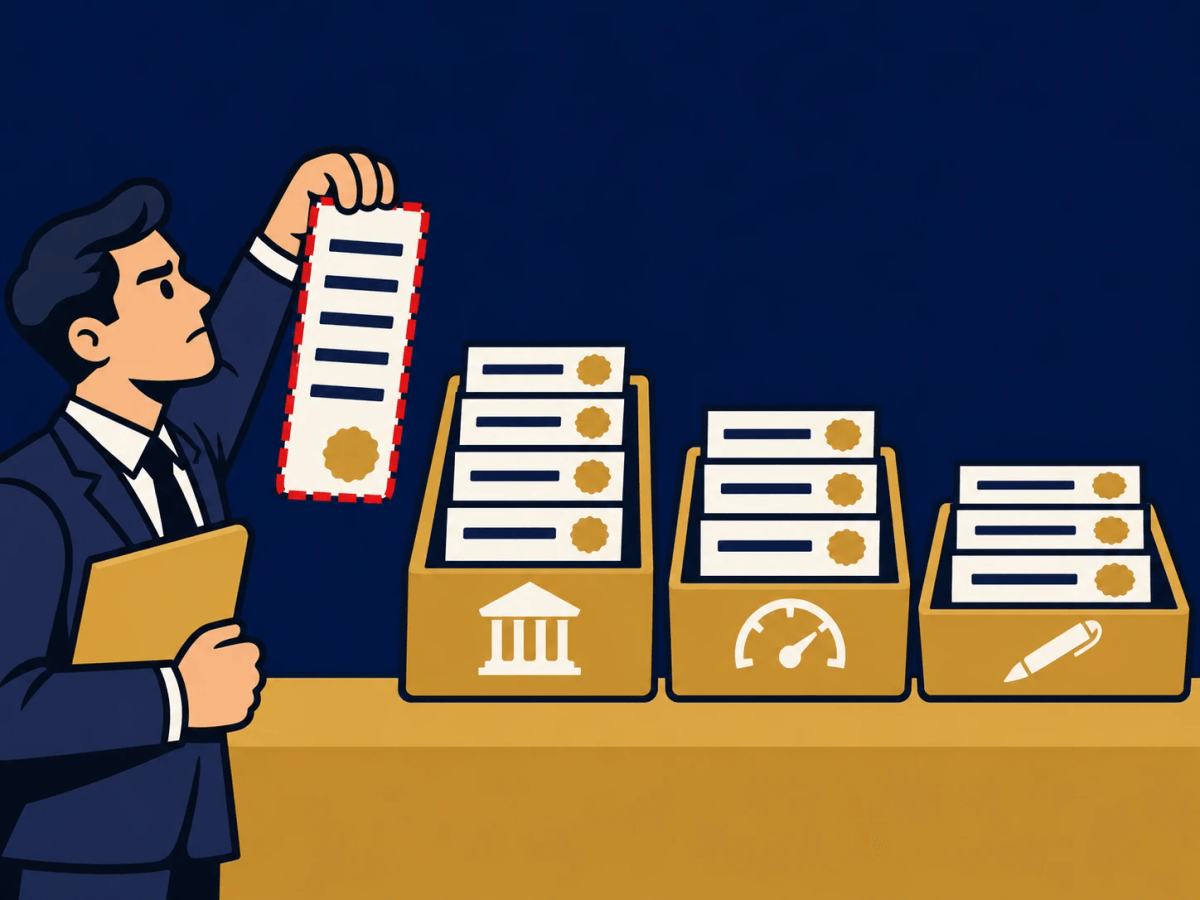
Max Clark: [00:08] I’m Max Clark. This is twenty minutes Max, and just gonna riff on something that came up today, which is why you would purchase something from the big animal, the the 500 pound gorilla versus a smaller upstart. In every category, there is a dominant incumbent. You know, let’s let’s just pick CRM. We’ll we’ll use CRM first.
Right? So the old dominant number one CRM vendor on the market is Salesforce. And second would be probably HubSpot. And then there’s this entire layer of CRM companies, and some are gonna be verticalized and industry specific, and some of them are just gonna be service specific, and some of them are just gonna be, hey. We’re nicer and easier to deal with, and we’re gonna give you more features.
And there’s there’s there’s great… You know, I I kinda cast this, like, umbrella term over this entire, like, you know, multibillion dollar industry, but, like, there’s fantastic options within that space. Now, let’s go up a little bit. Let’s talk about the differences between the two of these. The disadvantage that you have dealing with a Salesforce, it is the slowest moving, arguably.
It is going to be the most expensive, most likely. It is going to be the most aggravating to deal with. If you’re anything like me, it’s gonna be the thing that you hate, that you love to hate, you know, like, you just, you know, love to hate using it, basically, or you love to hate paying for it, or you, you know… And you kind of find yourself constantly looking for an alternative because you just love to hate it so much. Or maybe you’ve gone down the path of, like, trying to integrate, you know, some sort of CPQ tool or some sort of billing tool and these other things, and that’s causing you pain as well.
So then you’re out, you know, you’re kicking the tires and you’re looking at other stuff, and you’re evaluating these other things. And maybe you find one that you that you love, you know, that just just sounds great. They’ve got a great logo. They use cornflower blue, you know, for the icon. It’s, you know, the pricing is is much better, all these different things.
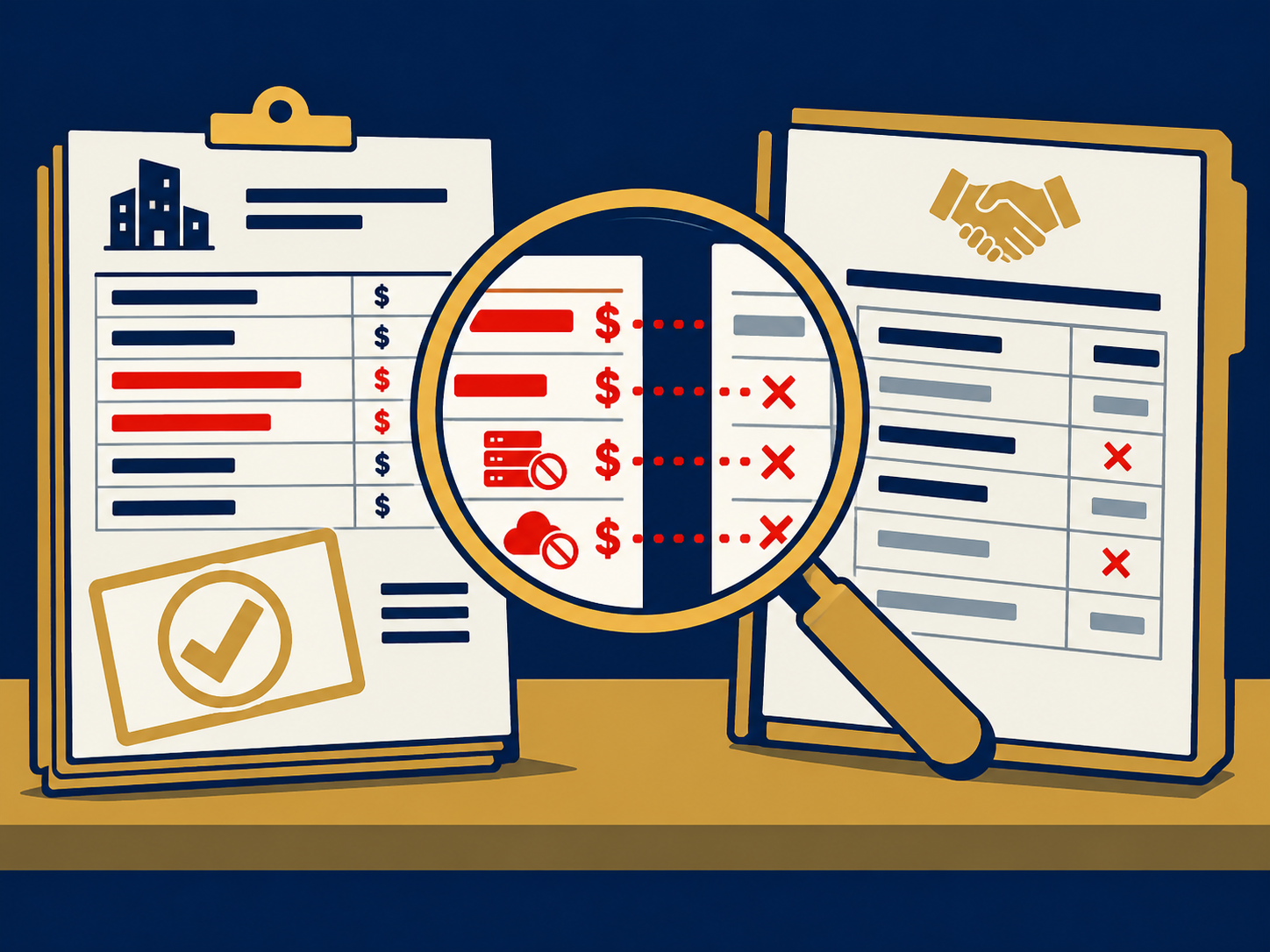
Right? And so maybe that’s a better pick for you. The reason… The thing that you’re probably missing here with this is the advantage that Salesforce has about being the 500 pound gorilla is that everyone that is writing software to integrate with CRMs are gonna start at the top and work their way down. Maybe the cost of that add on is gonna be the most expensive adding on on top of a Salesforce, and then kinda like work its way down in tiers.
But if you need something like a CPQ engine or a billing engine, you’re gonna find more options that are more mature, that have been in the market longer, that are gonna work on top of Salesforce, and you’re gonna find for anything else. Zoho is a really interesting CRM platform. But you know what? You’re not gonna find a lot of options for it, you know, from third parties. Why?
It’s just got a market… Well, you know, smaller market share, you know. And if you’re building something that overlays on top of another platform as your value proposition, you know, you want to have the largest market possible. You know, why… You’d be crazy to write a piece of software to go, you know, integrate on top of something that’s got, you know, 1% of the market share.
You know, you wanna go write something that’s got 60% of the market share or whatever actual, you know, market share that Salesforce has. So I give this I give this example. I start with Salesforce. Right? Now, maybe you don’t need all the features.
You don’t need all the add ons. You don’t want all other different stuff, then great. You know, like the now, like the the landscape is wide open for you. Can go anywhere that you want. There’s a really funny funny joke about Salesforce and CRM that I’ll…
I’m just reminded of, which is, you know, it’s something like, you know, which CRM should you run? And the answer is it doesn’t matter because the first VP of sales that you hire is migrate you to Salesforce anyways. So, you know, it’s kinda like when you when you bring on marketing, you know, you know, your… Any sort of experienced marketing team is gonna wanna run the tool that they’re used to, which more than likely is gonna be like Marketo or Pardot. I don’t I don’t know if it’s Pardot or Pardo.
I I I hear some people say it one way and some people say the other way. So, you know, correct me and tell me which way is actually true because I’d love to actually know if it’s Pardot or Pardot. Or maybe it’s it’s HubSpot. You know, you’re running HubSpot on top of Salesforce, which is still pretty common. But anyways, I’m gonna go completely sideways.
Now, I’ve given the example with Salesforce, but… And CRM, but I’ll give you the same example with productivity tools. Right? You know, Asana versus Monday versus ClickUp versus Basecamp versus a bajillion other tools. Right?
You know, I love the flow of Basecamp. Integration options for it are just very different from an Asana. You know, if you’re looking for something that’s gonna be the nucleus of your, you know, or Trello. You know, if if you’re looking for something that’s gonna the nucleus of your, you know, work management tooling, is integrations important to you? You know, that might be a really big factor of which tool you end up running.
Google Workspace versus Microsoft three sixty five. Now, I mean, in terms of, like, ecosystem and dominance, they’re both enormous. There’s a huge… There… There’s there’s there’s plenty of market outside of it.
But, you know, you wouldn’t necessarily go to some other email host and expect to get the same level of integration and options for… That you would see with a Workspace or or Microsoft three sixty five. I mean, like, the cost differential that you’re gonna have in that one is, like, insane. Like, what are you doing? Just go…
Just just stick with Microsoft or Google Workspace. Don’t try to, like, optimize your business by doing something great. By the way, I built and ran, like, large scale email platforms for ISPs for many years, and I would never ever, ever, ever wanna manage my own email system ever again for the rest of my life. Like it is just, you don’t need to take that pain on. You know, what else?
Pick any any piece of technology. Right? You know, single sign on system, your HR platform, your UCaaS or CCaaS platform, so your your phone system. Right? You know, this isn’t like an argument that you should go out and only do business with RingCentral, but third parties are going to write an integration for RingCentral before they write one for, you know, an open phone, for instance.
You know? Also a very interesting platform. You know, there’s really good, you know, tech out there, and there’s really interesting things. And part of what you’re evaluating is not… The point the point of all this the point of this this…
What are we at? Six, seven minute rambling rant at this point is when you purchase a tool that you integrate into your business and you build your business around this tool, the hardest thing to understand is to know unless you’ve done this before. And maybe part of it’s just because I get to see this. I’ve been doing this for so long, you know, and I’ve seen this so many times, and I get to do this daily with our clients. But…
And I and I get to see people at like such a wide variety of like where they are and like their evolution and their journey. Right? You know, and, you know, from from initial startup to like, you know, scale and growth to like the other side of the hill where, you know, it’s it’s, you know, cleaning up for an acquisition or maybe they’re going through, they’ve hit, you a period of downsizing and cost cost management issues. You know, know, whole… Those…
That whole story arc, right, the businesses go through. But when you’re buying something and you’re integrating that thing and you’re gonna run your business on top of that thing, it really sucks if you find out in, like, eighteen months that that thing that you have just doesn’t do the next thing that you need it to do. It really sucks in the CRM space when you decide that we wanna bring on and start doing, we need a sales in, enablement platform. We need a tool that’ll help us do, you know, account based sales, email sequences, and drip campaigns. Well, that’s really more of a marketing deal, but, you know, sequences and, LinkedIn touch touch points to social media and auto phone calls and a b testing, all the different stuff.
And you turn around and you go, wait, our CRM doesn’t… There’s no tooling for that with the CRM that we picked. You know? And then what your option is is your option is is to run two two things isolated from each other, which is a nightmare. Don’t do that.
Or you end up in a migration, and you end up having to a migrate your data, but then go through and modify, train everybody working for you, and then modify your your processes and and how your business actually operates to that new tooling. Right? And I’m sorry. Like, I don’t care how good this is. It’s massively disruptive.
It sucks. It sucks. Every CRM and ERP migration I have ever been involved with, attached to, learned about. I mean, it’s just nobody… The only people that get excited about CRM or ERP migrations are the consultants that do the CRM and ERP migrations.
And that’s just a different level of nerdery that we’re just gonna not talk about. But it’s a very interesting kind of exercise that we have to go through when we’re giving advice to our clients around what service providers, what technology, what platforms, you know, where are they today? What do they need today? What’s the tactical response to what’s going on within the business? What’s a pain point?
What’s an objective? Like, how do they accelerate revenue? How do they accelerate growth? How do they increase, increase efficiencies? These sorts of things.
Right? What comes next? You know, and what comes next could be in three months or six months or twelve months or eighteen months or two years or three years, but there is a next, there is something next. Nothing is static. Right?
You know, it’s… You know, in some cases, maybe it just takes a long time. Right? Maybe you were one of these people on, like, Skype for Business or or link, and and, you know, you’re you’re being forced to upgrade to Microsoft Teams, you know, after running this platform for however long you were running it. But, there is always a next, and that question around next is a very interesting one when you’re figuring out what is the correct combination or what’s the correct partner and service provider technology.
What are these different things are in order to to accomplish those needs? So, you know, these these, what’s what’s a what’s a fun example? Like, you need your phone system to integrate with your overhead page and at the same time, a video doorbell system to gain access control into your organization. And you want to have the whole thing talk to each other because your video doorbell needs to be able to call inside extensions when somebody pushes the button on it. And what is that integration?
You know, it’s 2023, so you want that video doorbell has finally transitioned from an, you know, an analog of POTS connection to a SIP connection. Well, what SIP service providers are they certified with? Right? Well, again, get going back to my example there, that video doorbell system is going to start at the top of the list. What is the most common platform?
And they’re gonna start there, and they’re gonna work their way down based on the addressable market and what their target customer is probably So, you know, if you decided to home brew your own Asterisk based phone system, you know, run that yourself or, you know, that’s what what your IT team decided to do at some point because they thought it’d be fun to learn about Asterisk and how to run an Asterisk phone system or, you know, because it’s gonna save you a ton of money. Okay. Great. But then you turn around and you say, okay. Great.
Now we need to integrate a Crestron Mercury, video conferencing platform or a two n d video doorbell or, you know, whatever it may be. Some some… You know, your overhead paging system and you… Hey. Guess what?
Surprise. It’s not supported. In a lot of ways, when you try to do it and you try to save money and try to do it cheaper, you end up spending more in the long run. So before you make that decision to go out and think you’re saving money and try to do something a little sly and and go with a cheaper option, there’s a reason why it’s the cheaper option. And take a few minutes to really kind of contemplate, you know, what’s happening?
Is this thing truly static? Is there what comes next? Are you getting pigeonholed into something? Are you gonna wake up in a few months and find out that, you know, you’re stuck with a headache that you don’t need to have? I’m Max Clark.
That was less than twenty minutes.