
Security
113 episodes on Security.
Playbook: Cybersecurity Truths
60 percent of ransomware victims had a leading EDR deployed. Max Clark breaks down why owning a security tool is not the same as being protected by one, and what actually separates the two.
How to Tell If Your MDR Provider Will Actually Stop an Attack
You're paying an MDR provider to protect you. Most of them will alert you and wait for someone else to act. This conversation names the one question that tells you which one you actually bought. Know the answer before it's 2am and someone's waiting on you to decide.
Are Your Security Tools Actually Protecting You?
Your security tool says you're protected. So does your BAA, your SOC 2 report, and the maturity score you handed your board. None of that means any of them are telling the truth. Check before your next audit, your next renewal, or your next incident does it for you.
How Do You Know Your Security Tools Are Actually Working?
Every security vendor's proof of value is built to find something scary in your environment. That's not proof their tool works, it's a sales tactic every vendor uses. Tony Lauro, Akamai's Senior Director of Security Technology and Strategy, admits it on the record, and by the end even he and Max agree on the uncomfortable part: neither side of the table always knows if a security purchase was the right one.
Playbook: Buying MDR Without Getting Burned
Your MDR contract might only cover watching and telling you, not stopping anything. Max evaluated a well known provider and found the exact gap hiding under the brand name. If your provider has never been tested against a real attack, you don't actually know what you bought. Find out before your next renewal, not after your next incident.
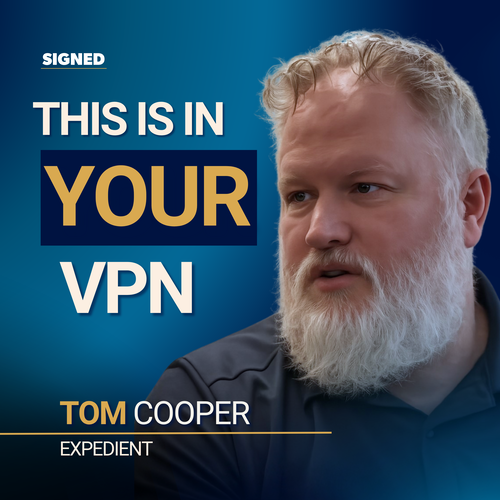
Did You Make a Security Exception for AI?
A black box coding tool is already behind your VPN, and nobody vetted it. Thomas Cooper on the one call that decides if you catch this now or pay later.
Playbook: The Hidden Bomb in your Contracts
Patent trolls filed more than half of all U.S. patent lawsuits in 2025. The clause that decides who pays is the one most buyers scroll past. Check it before you sign, not after a demand letter arrives.
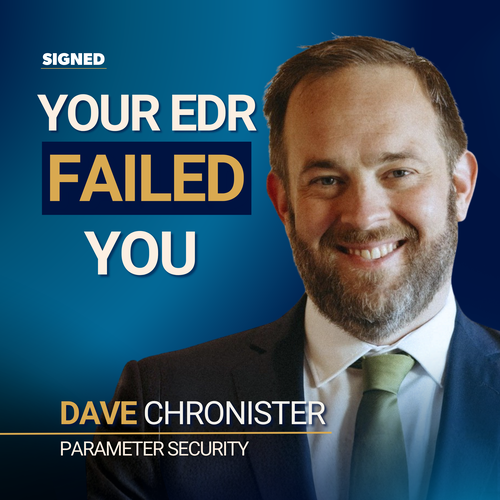
Who Made Sure Your Security Tools Actually Work?
Dave Chronister has walked into breached environments since 2007. EDR running, MDR installed, SOC 2 passed — none of it mattered. Here's why.

Did Your AI Agents Move Faster Than Your Security?
You bought the platform. You renewed the contract. And 80% of your breach risk is coming from the one thing the platform wasn't built to catch.
Playbook: MSPs
MSPs sell their book. The vendors they're authorized on. The platforms they're certified on. The products they have margin on. The infrastructure they're about to recommend for your business is shaped by all of that before you walk in the room.

You Bought the Stack. You're Using Half of It.
You're paying for 100% of your Microsoft stack. You're using 44% of it — and buying third-party tools to fill gaps you already own.
Playbook: Be Careful With Your SOC2 Controls
SOC 2 certification has become shorthand for security. It isn't.

DSPM vs DLP: The Data Blind Spots Killing Your Cloud Security
If you’re betting on “the cloud is secure” and a few DLP rules to save you, you’re exposed. Most breaches aren’t a tool failure, they’re a visibility failure. You can’t protect data you can’t see.

How Do You Convince the Board to Fund Security?
You know the risks. The board knows the budget. So how do you bridge the gap? For most IT and security leaders, convincing executives to prioritize security is the toughest job they face.

No Cyber Insurance. Still Got Paid.
What if you had no cyber insurance… and still walked away with the money?Most companies wouldn’t be so lucky. But one small manufacturer found themselves in the middle of a cybercrime event—and somehow, a loophole in the system worked in their favor.

A Child Died Dialing 911
It’s every parent’s worst nightmare—your child dials 911... and nothing happens. Most of us assume emergency services will be there when we need them. But what if your office phone, your cloud system, or your campus setup silently fails in a moment that counts?

The Cyberattack That Killed a Patient
Could one missed alert put lives at risk? Hospitals were once worried about downtime. Now they're facing something far worse: real-world consequences when cybersecurity fails. One ransomware attack shut down a hospital—and a patient died. It was a moment that changed how healthcare leaders view risk forever.
They Got Breached Mid-Merger
What if the company you just bought came with a hidden cyber landmine? M&A is risky enough. But when cybersecurity gaps go unchecked during a merger, the consequences aren't just technical — they’re financial, operational, and reputational. And most leaders don’t see the breach coming until it’s too late.

How a Forgotten Laptop Became a Security Time Bomb
What happens when a three-year-old laptop, long forgotten, quietly reconnects to your network? It sounds like a harmless scenario—until it isn't. In today’s digital landscape, what we forget can hurt us.

SASE’s Hidden Loophole – Michael Ortega of CATO Networks Reveals the Biggest Threat to Businesses
Imagine logging in tomorrow and finding your entire network compromised. That’s exactly what happened to a company that relied on outdated security.
The IT Nightmare That Almost Brought Down a Global Company - Lessons from Cepheid’s Alexey Goncharov
Imagine running a company with 10,000 employees - only to discover your IT infrastructure is on the brink of collapse. What happens next?

The Streaming Playbook: Lessons from the Jake Paul vs. Mike Tyson Fight – Mark Barron of Akamai Breaks It Down
Picture this: millions of fans, all waiting for the fight of the year - Paul vs. Tyson - only for the stream to crash. What does it take to deliver a flawless, high-stakes live event without a second of downtime?

The One Strategy That Guarantees You Win Every Tech Deal
You've been selling tech completely wrong! Most sales reps pitch products, rattle off features, and hope the client bites. But the truth is—buyers don’t care about your tech. They care about solving their problems. And if you’re not selling the solution to their pain, you’re already losing deals.
E5, SIEM & MDR: Cutting Through the Costs Without Compromising Security
You turned on Microsoft E5 security—now what? You expected airtight protection, but now you’re staring at skyrocketing SIEM costs, overwhelming configurations, and lingering security gaps. The worst part? You’re not even sure if you’re fully protected.
You Don’t Need Another Sales Call. You Need an Answer.
30 minutes. No pitch. Just an honest conversation about where you are, what you need, and whether working together makes sense.
Thanks, . Pick a time.
Choose a 30-minute slot in the calendar. Your details are already filled in.
Calendar didn’t open? Pick a time on Cal.com.